Are you aiming to enhance your digestive health? Integrating gut-friendly foods into your diet can make a significant difference! Foods rich in probiotics, high-fiber fruits, fermented vegetables, whole grains, nuts, and seeds are excellent choices to support your digestive system. By including these items in your meals, you can cultivate a healthier gut environment that promotes overall well-being. Start implementing these simple dietary changes today for a happier gut tomorrow!
Probiotic-Rich Foods for a Healthy Gut
Incorporating probiotic-rich foods into your diet can significantly benefit your gut health. Options such as yogurt, kefir, and fermented foods like sauerkraut serve as excellent sources of probiotics. These beneficial bacteria help maintain a balanced gut microbiome, enhancing digestion and overall health.
Regularly including these foods in your meals can improve gut health by increasing the diversity of good bacteria in your digestive system. Probiotics also assist in nutrient absorption and bolster your immune system, making you less prone to infections.
High-Fiber Fruits for Digestive Support
Adding high-fiber fruits to your diet is essential for maintaining a diverse and balanced gut microbiome. Fruits such as apples, berries, pears, and bananas are rich in fiber, promoting digestion and gut function.

The soluble fiber found in these fruits acts as a prebiotic, nourishing the beneficial bacteria in your gut and helping them flourish. Additionally, the insoluble fiber contributes to stool bulk, facilitating regular bowel movements and preventing constipation.
Incorporating a variety of high-fiber fruits into your daily meals not only supports gut health but also enhances your overall well-being.
Fermented Vegetables for Gut Health
To further boost your gut health, consider adding fermented vegetables to your diet. These probiotic-rich foods are packed with beneficial bacteria that encourage a healthy gut environment.
Including fermented vegetables such as sauerkraut, kimchi, and pickles can enhance digestion, strengthen immunity, and reduce inflammation. The fermentation process increases the bioavailability of nutrients, making them easier for your body to absorb.
Whole Grains for Optimal Digestion
For optimal gut health, incorporate a variety of whole grains into your daily meals. Options like brown rice, quinoa, oats, and whole wheat are abundant in fiber, vitamins, and minerals that support a healthy digestive system. These grains contain prebiotics that nourish the beneficial bacteria in your gut, fostering a balanced microbiome.

Swap refined grains for whole grains in dishes like salads, stir-fries, and soups to boost your fiber intake and aid digestion. Including whole grains in your diet can help prevent constipation, regulate bowel movements, and reduce inflammation in the gut. Aim to make at least half of your grain choices whole grains to enjoy maximum gut health benefits.
Nuts and Seeds for Digestive Wellness
Incorporating nuts and seeds into your diet can significantly enhance your gut health. These nutrient-dense foods are rich in fiber, healthy fats, and essential nutrients that support your digestive system.
Almonds, walnuts, chia seeds, and flaxseeds are excellent choices to promote the growth of gut-friendly bacteria and overall digestive wellness. The fiber content in nuts and seeds aids in regulating bowel movements and maintaining a healthy gut microbiome.
Moreover, the healthy fats found in these foods can help reduce gut inflammation, improving digestion and nutrient absorption. Snack on a handful of mixed nuts or sprinkle seeds over salads and yogurt to easily incorporate these gut-friendly options into your daily meals.

Common Questions About Gut-Friendly Foods
How Can I Add Gut-Friendly Foods to My Daily Meals Without Major Changes?
To incorporate gut-friendly foods into your daily meals without significant changes, start by adding probiotic-rich options like yogurt or kefir. Incorporate fiber-rich fruits and vegetables, such as bananas and broccoli, gradually to achieve a balanced diet.
Are There Any Risks Associated With a High Intake of Probiotic-Rich Foods?
While consuming a diet high in probiotic-rich foods can be beneficial, it may sometimes lead to temporary digestive discomfort as your body adjusts to the increase in beneficial bacteria. Staying hydrated and introducing these foods slowly can help minimize potential side effects.
Can Children and Pregnant Women Benefit From Gut-Friendly Foods?
Yes, both children and pregnant women can gain significant benefits from incorporating gut-friendly foods into their diets. These foods support overall health and digestion, providing essential nutrients beneficial for individuals at any age or life stage.
What Cooking Methods Preserve the Gut-Friendly Properties of Foods?
To maintain the gut-friendly properties of foods, opt for gentle cooking methods such as steaming, sautéing, or consuming them raw. Avoid overcooking or deep-frying, as excessive heat can degrade beneficial nutrients. Keeping meals simple and wholesome is key for optimal gut health.
Is It Possible to Overconsume Fiber From Fruits and Whole Grains?
Yes, it is possible to consume too much fiber from high-fiber fruits and whole grains. Overconsumption may lead to bloating, gas, diarrhea, and other digestive discomforts. Balancing your fiber intake is essential to avoid these issues.
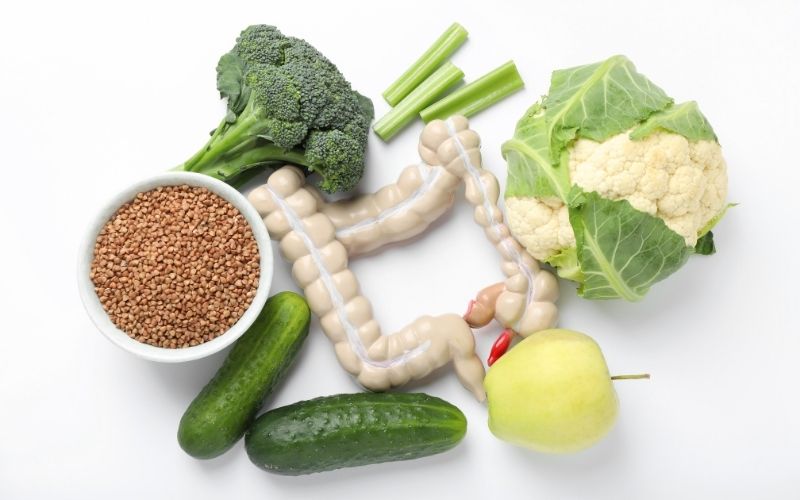
Final Thoughts on Gut Health
Incorporating gut-friendly foods such as probiotic-rich items, high-fiber fruits, fermented vegetables, whole grains, and nuts and seeds can significantly improve your digestive health and overall well-being. By making small adjustments to your daily meals, you can support a healthy gut microbiome and enhance digestion.
Listen to your body and find the right balance of these foods that work best for you. Your gut will express gratitude for these positive changes!