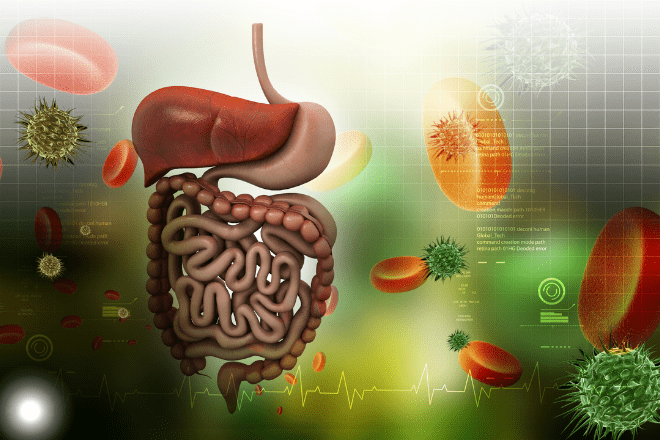
Improving your digestive health can be simple with a few effective strategies. Stay hydrated, consume fiber-rich foods, practice mindful eating, add probiotics to your meals, and manage stress levels to support a healthier gut. These straightforward tips can enhance your well-being and help you feel your best.
Stay Hydrated for Better Digestion
Hydration is key for optimal digestion. Water is vital for breaking down food, absorbing nutrients, and flushing out waste. When your body lacks hydration, it struggles to produce enough saliva, gastric juices, and enzymes necessary for efficient digestion.
Strive to drink at least 8-10 glasses of water each day, and increase your intake if you are physically active or in a warm climate. Carry a reusable water bottle to make hydration easier. If plain water feels unappealing, try infusing it with fruits or herbs for a refreshing twist.
Incorporate Fiber-Rich Foods into Your Diet
Along with staying hydrated, including fiber-rich foods in your daily meals is crucial for digestive health.
Fiber acts like a broom, sweeping through your digestive tract and promoting smooth bowel movements. Aim to incorporate a variety of fiber sources, such as fruits, vegetables, whole grains, legumes, and nuts, into your diet.
Kick off your day with a fiber-packed breakfast, such as oatmeal topped with berries and nuts. Choose crunchy vegetables or fruits for snacks throughout the day. Add whole grains like quinoa or brown rice to your main meals for an extra fiber boost.
Adopt Mindful Eating Practices
Integrating mindful eating into your daily routine can significantly improve your digestive health and overall wellness.
Take the time to savor each bite, chew slowly, and listen to your body’s hunger signals. Avoid distractions like phones or television during meals to focus solely on your food.
Mindful eating helps prevent overeating, reduces digestive discomfort, and enhances nutrient absorption. Pay attention to portion sizes, recognize when you’re full, and stop eating when satisfied. By being present during meals, you can improve digestion, minimize bloating, and better understand your body’s needs.
Practice gratitude for the nourishment you provide with every meal.
Add Probiotics for Gut Balance
Incorporating gut-friendly probiotics into your diet can further enhance your digestive health and complement your mindful eating habits. Probiotics are beneficial bacteria and yeasts that help maintain a healthy balance of gut flora.
Natural sources of probiotics include yogurt, kefir, sauerkraut, kimchi, and pickles. These foods can improve digestion, strengthen your immune system, and enhance nutrient absorption.
To reap the full benefits, aim to include a variety of probiotic sources in your daily meals for a healthier gut and overall well-being.
Manage Stress for a Healthy Gut
Managing stress effectively is vital for maintaining a balanced gut microbiome. High stress can disrupt the harmony of your digestive system, leading to issues such as bloating, cramps, or irritable bowel syndrome.
Incorporate stress-relieving activities into your routine, such as meditation, deep breathing exercises, yoga, or taking nature walks. Prioritize getting enough sleep, as sleep deprivation can heighten stress levels.
Engage in hobbies you enjoy, stay active, and seek support from friends or professionals to manage stress effectively. A calm mind contributes to a healthier gut!
Frequently Asked Questions
Can Some Foods or Drinks Harm Digestion, Even if They Are Hydrating?
Yes, certain foods and drinks can negatively impact digestion despite being hydrating. Be cautious with your choices.
Spicy foods, high-fat meals, and excessive caffeine may lead to digestive discomfort.
How Can Those with Dietary Restrictions Ensure Adequate Fiber Intake?
For individuals with dietary restrictions, including options like chia seeds, flaxseeds, and gluten-free whole grains can help meet fiber needs.
Explore suitable fruits and vegetables to maintain digestive health.
What Techniques Enhance Mindful Eating for Better Digestion?
To practice mindful eating, chew slowly, savor each bite, and eliminate distractions.
This approach improves digestion by allowing your body to break down food properly, absorb nutrients, and minimize digestive issues.
What Are Some Lesser-Known Probiotic Sources to Include in Your Diet?
Consider adding lesser-known probiotic sources like miso, kimchi, or tempeh to your meals. These foods can support digestion and promote gut health.
Experiment with incorporating them into your dishes for added flavor and benefits.
How Does Stress Affect Gut Health, and What Are Effective Stress Management Techniques?
Stress can negatively impact gut health by disrupting the digestive process.
To manage stress for better digestion, consider deep breathing, physical activity, and mindfulness practices.
These techniques can help calm both your mind and body, fostering healthier digestion.
Embrace These Digestive Health Tips
By prioritizing hydration, consuming fiber-rich foods, practicing mindful eating, adding probiotics, and managing stress, you can significantly improve your digestive health.
Incorporate these habits into your daily routine to support your digestion and overall well-being. Stay aware of what you eat and how you eat it, and your gut will express its gratitude.
Start implementing these strategies today for a happier, healthier digestive system.