Bone broth has surged in popularity as a health food, especially for its claimed benefits in promoting gut health. But what does current research reveal about this traditional remedy? In this article, we will investigate the potential advantages of bone broth for gut healing, including its nutritional composition, the scientific basis for its benefits, and practical suggestions for adding it to your diet.
Understanding Bone Broth
Bone broth is a nutrient-dense liquid made by simmering animal bones, connective tissues, and occasionally vegetables and herbs over an extended period. This lengthy cooking process extracts minerals, collagen, amino acids, and other beneficial compounds from the bones and tissues. Historically, various cultures have utilized bone broth for its reputed healing properties.
Nutritional Profile of Bone Broth
1. Collagen and Gelatin
The primary component of bone broth is collagen, a protein that supports the structure of connective tissues throughout the body. When cooked, collagen transforms into gelatin, which is believed to promote gut health by aiding in the repair of the intestinal lining and reducing inflammation.

2. Amino Acids
Bone broth is rich in essential amino acids such as glycine, proline, and glutamine. These amino acids are vital for maintaining the integrity of the gut lining and supporting overall digestive health. Glycine, in particular, has anti-inflammatory properties and assists in detoxification processes within the liver.
3. Minerals
This nourishing broth is abundant in minerals like calcium, magnesium, and phosphorus, crucial for bone health and maintaining the body’s electrolyte balance. The minerals found in bone broth are in a highly absorbable form, making it easier for the body to utilize them.
4. Additional Nutrients

Bone broth also provides various vitamins and trace minerals, including vitamin A, vitamin K2, and zinc, all of which contribute to overall health and immune function.
How Bone Broth Promotes Gut Health
1. Repairing the Gut Lining
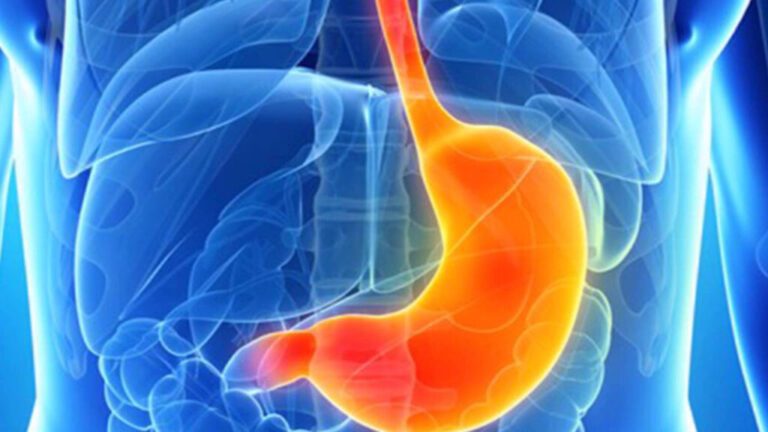
A significant benefit of bone broth is its potential to aid in repairing the gut lining. The gelatin and collagen found in bone broth are thought to soothe and heal the mucosal lining of the gastrointestinal tract, which can be especially helpful for individuals experiencing leaky gut syndrome or other gut-related issues.
2. Reducing Inflammation
Bone broth may help alleviate inflammation in the gut. Amino acids such as glycine and proline possess anti-inflammatory properties that can assist in calming irritated tissues and supporting a balanced immune response.
3. Supporting Digestive Function
The gelatin in bone broth can also enhance digestive function by binding with water in the digestive tract, promoting regular bowel movements and preventing constipation.
4. Improving Nutrient Absorption
The minerals and amino acids present in bone broth can improve nutrient absorption and overall digestive efficiency. By supporting a healthy gut lining and mitigating inflammation, bone broth may enable the body to absorb essential nutrients from other foods more effectively.
Scientific Research and Evidence
While anecdotal evidence and traditional practices suggest that bone broth possesses gut-healing properties, scientific research in this area remains limited. Some studies indicate that collagen supplements can enhance gut health, but further investigation is necessary to determine whether bone broth yields similar effects. It is wise to view bone broth as a complementary treatment rather than a standalone solution.

Incorporating Bone Broth into Your Diet
1. Homemade Bone Broth
Creating bone broth at home allows you to control the quality of ingredients and customize the flavor to your liking. To prepare bone broth, simmer bones with water, vegetables, and herbs for at least 12-24 hours. Strain the liquid and store it in the refrigerator or freezer for future use.
2. Store-Bought Options
If you prefer convenience, you can find bone broth at health food stores or online. When selecting a brand, look for options with minimal additives and high-quality ingredients.
3. Usage Ideas
Bone broth can be enjoyed on its own or used as a base for soups, stews, and sauces. Incorporate it into your meals to gain its potential benefits for gut health.
Potential Drawbacks and Considerations
While bone broth can be a nutritious addition to your diet, it should not replace medical treatment. Individuals with specific dietary restrictions or allergies should exercise caution and consult with a healthcare provider before integrating bone broth into their routine. Additionally, some commercially available bone broths may contain added sodium or preservatives, making it essential to read labels carefully.

Bone broth serves as more than just a flavorful addition to your meals; it offers potential benefits for gut health that have been celebrated through tradition and anecdotal evidence. The presence of collagen, gelatin, amino acids, and minerals in bone broth may aid in repairing the gut lining, reducing inflammation, and supporting overall digestive function. While scientific research continues to evolve, incorporating bone broth into a balanced diet can be a nutritious choice for promoting gut health and enhancing overall wellness.
However, it is essential to consider bone broth as a complementary approach rather than a standalone treatment. For those with specific health concerns or dietary limitations, consulting with a healthcare professional before adding bone broth to your routine is advisable. Whether homemade or store-bought, opting for high-quality bone broth can provide a range of potential benefits, making it a valuable addition to a health-conscious diet.