Knowing Your Gut: What It Is, Why It Matters, and How to Care for It
Your gut is more than a food tube; it is a living ecosystem of organs, nerves, and trillions of microbes that power digestion, immunity, and even mood. When you understand how this system works, you can make smaller, smarter changes that actually move the needle on bloating, energy, and overall health.
Quick Answer: What Does “Knowing Your Gut” Mean?
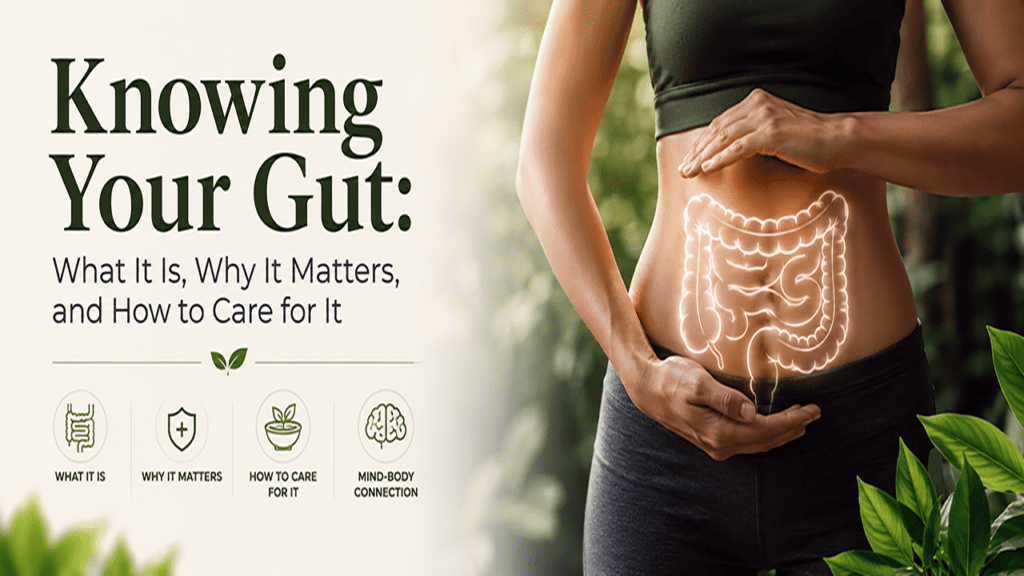
“Knowing your gut” means understanding how your digestive organs and gut microbiome work together to digest food, make vitamins, train your immune system, and send signals to your brain. A healthy gut ecosystem usually shows up as regular, comfortable bowel movements, steady energy, and the ability to handle a variety of whole foods without constant drama. If you are dealing with frequent bloating, constipation or diarrhea, food reactions, skin issues, or brain fog, your gut may be asking for a reset and some support.
Your Gut 101: Organs, Microbes, and Signals
Your Digestive Tract as a System
Your gut includes your esophagus, stomach, small intestine, large intestine (colon), liver, gallbladder, and pancreas. Together, they break food down into smaller pieces, mix it with acids and enzymes, and allow nutrients to be absorbed into your bloodstream. When this system is working smoothly, you digest meals without thinking; when parts get out of sync, symptoms like reflux, bloating, or irregular bowel movements start to show up.
Your Gut Microbiome as an Ecosystem

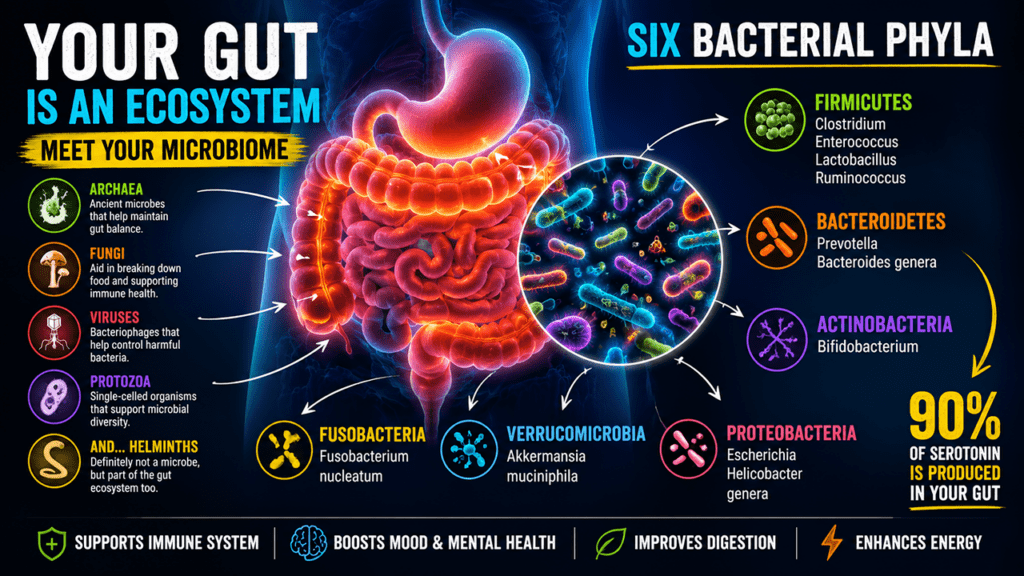
Inside your intestines lives your gut microbiome, trillions of bacteria, fungi, and viruses that form a miniature biome. Many of these microbes are symbiotic, meaning you feed them and they provide services like helping digest fiber, making vitamins, and producing metabolites that support your health. Researchers sometimes call the microbiome a “supporting organ” because it plays a big role in digestion, immunity, and metabolism.
How the Gut Talks to Your Immune System and Brain
Most of your immune cells sit in and around your gut, constantly learning from the microbes and food that pass through. Helpful microbes train the immune system to tolerate friendly visitors and react properly to pathogens, which is one reason gut imbalance can show up as inflammation or recurring infections. At the same time, the gut communicates with the brain via nerves, hormones, and microbial metabolites, so stress and mood shifts can change digestion, and gut changes can influence how you feel mentally.
What a Healthy Gut Usually Looks and Feels Like
Everyday Signs of a Healthy Gut
There is no single perfect “gut score,” so clinicians look at patterns instead of one magic lab result. In general, a healthy gut means regular, well‑formed bowel movements that are easy to pass, minimal bloating, and the ability to enjoy a variety of foods without constant discomfort. People with healthier microbiomes also tend to have better energy, more stable mood, and less day‑to‑day digestive drama.
Common Clues Your Gut May Be Struggling
Frequent bloating, gas, constipation, diarrhea, or swinging between them can point to gut imbalance. Other common clues include strong sugar or ultra‑processed food cravings, new food sensitivities, unexplained skin issues, or brain fog that seems tightly tied to what you eat. A history of repeated antibiotics, high stress, poor sleep, or long‑term use of certain medications can also disturb the microbiome and gut barrier.
Everyday Foundations for a Healthier Gut
Food First: Feeding Your Microbiome
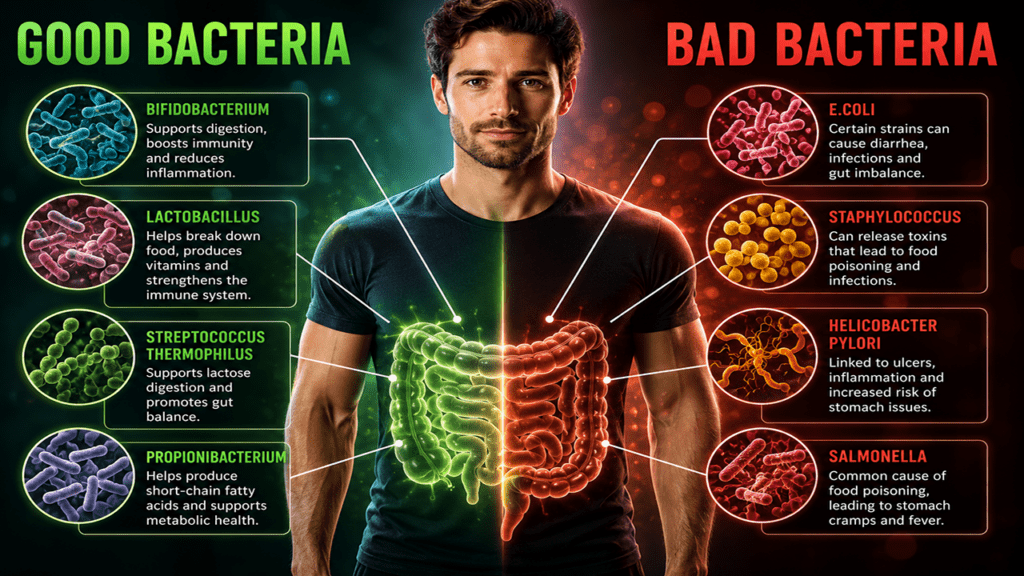
Across major medical and nutrition sources, the first recommendation for gut health is to focus on a diverse, fiber‑rich, minimally processed diet. Vegetables, fruits, beans, lentils, nuts, seeds, and whole grains provide fibers that your microbes ferment into short‑chain fatty acids (SCFAs) that feed your gut lining and help lower inflammation. People who eat a wide variety of plant foods tend to have more diverse microbiomes and lower levels of disease‑promoting bacteria.
Fermented Foods: Friendly Microbes in Your Meals
Fermented foods like yogurt, kefir, kimchi, sauerkraut, and some traditional pickles provide live cultures and compounds that can support a healthier microbiome. Studies and clinical experience suggest that regularly including fermented foods may improve microbial diversity and digestive comfort for many people. These foods are not a cure‑all, but they are powerful everyday tools, especially when the rest of your diet is already rich in whole foods.
What to Limit for Gut Health
Ultra‑processed foods, added sugars, and some artificial sweeteners can promote less helpful microbes and contribute to low‑grade inflammation. Frequent use of non‑steroidal anti‑inflammatory drugs (NSAIDs), repeated antibiotic courses, and high alcohol intake may also harm the gut barrier and microbiome when not medically necessary. You do not have to be perfect, but moving away from daily ultra‑processed foods and toward mostly whole, minimally processed meals gives your gut a much better foundation.
Lifestyle: Movement, Stress, and Sleep for Gut Support
Moving Your Body for Better Motility
Gut motility, the wave‑like movements that move food through your intestines, is heavily influenced by how much you move. Even simple activities like walking after meals can reduce bloating and help prevent constipation. Regular movement also supports insulin sensitivity, mood, and sleep, all of which circle back to gut health.
The Gut–Brain Stress Connection
Stress sends signals through the gut–brain axis that can change how quickly your gut moves, how much acid and enzymes you produce, and how sensitive you feel to normal sensations. High, chronic stress can shift the microbiome, promote inflammation, and make existing digestive issues feel worse. Simple practices like breathing exercises, light movement, prayer, or time outdoors do not fix everything, but they can calm the nervous system enough to let your gut do its job.
Why Sleep Matters for Your Gut</strong
Poor sleep and irregular sleep schedules are linked to changes in the microbiome and increased inflammation. When you are short on sleep, you are more likely to crave ultra‑processed foods and sugar, which can further feed an imbalanced gut. Prioritizing a consistent sleep routine is one of the cheapest and most underused gut‑health tools.
Local and Real‑World: Gut Health in Places Like Texas
Using Regional Foods to Your Advantage
For example, in regions like North and Central Texas, clinicians often recommend leaning into local, seasonal produce, beans, leafy greens, squash, peppers, and fruits, to build a diverse, fiber‑rich gut diet. Eating what grows near you can make gut‑friendly eating more affordable and sustainable over time. Farmers’ markets and regional grocery chains are often good places to start experimenting with new plant foods. It is the same in whatever part of the country you reside in.
Everyday Gut Habits for Busy People
Local practitioners emphasize small, realistic changes: drinking more water during hot months, walking after dinner, and making a few weeknight meals centered around beans, vegetables, and healthy fats. For many people, these simple shifts improve constipation, bloating, and energy before they ever add supplements or testing. Once basic habits are set, more advanced strategies, like structured gut recovery protocols or targeted supplements, tend to work better and feel less overwhelming
Gut Health FAQs
What is the gut microbiome in simple terms?
The gut microbiome is the community of trillions of bacteria, fungi, and viruses that live mainly in your large intestine. Many of these microbes help you digest food, make vitamins, and produce compounds that support your immune system and overall health.
How do I know if my gut is healthy?
A healthier gut usually shows up as regular, well‑formed bowel movements that are easy to pass, minimal gas and bloating, and the ability to handle a variety of whole foods without constant discomfort. Good energy, more stable mood, and fewer unexplained reactions to meals are reassuring signs; persistent pain, frequent diarrhea/constipation, blood in the stool, or unintentional weight loss should be evaluated by a doctor.
How long does it take to improve gut health?
Some people notice changes in bloating, gas, or bowel habits within days to weeks of changing diet and habits, especially when increasing fiber and reducing ultra‑processed foods. Deeper shifts in microbiome composition and symptom patterns often take several months and depend on the underlying issues and how consistently you support food, stress, sleep, and movement.
What are the best foods for a healthy gut?
The most consistently recommended foods are high‑fiber plants—vegetables, fruits, beans, lentils, nuts, seeds, and whole grains—because they feed beneficial microbes and increase microbial diversity. Fermented foods like yogurt, kefir, kimchi, and sauerkraut add live cultures and beneficial compounds that can further support a resilient microbiome when they are part of an overall whole‑foods pattern.
Should I take a probiotic for gut health?
Probiotics can help in some situations, such as after antibiotics or in certain IBS patterns, but benefits are strain‑specific and they are not a cure‑all. Most experts recommend focusing first on diet, fiber, fermented foods, and lifestyle, then considering targeted probiotic products—ideally with professional guidance—if symptoms persist or a specific goal (like post‑antibiotic recovery) is on the table.