Gut Recovery Protocols: How to Heal Your Gut Step by Step
Gut recovery protocols give you a clear, staged way to calm symptoms, rebalance your microbiome, and support your gut lining instead of just guessing with random diets and supplements. The most widely used frameworks in functional and integrative medicine are the 4R and 5R protocols, which organize gut healing into simple, repeatable steps.

Quick Answer: What Is a Gut Recovery Protocol?
A gut recovery protocol is a step‑by‑step plan that usually moves through phases like Remove, Replace, Reinoculate, Repair, and Rebalance. The goal is to first remove irritants and infections, then support digestion, rebuild beneficial microbes, nourish the gut lining, and finally lock those gains in with sustainable lifestyle changes. For many people, a gentle, food‑first “reset” is enough to see improvements, while others may need deeper testing and a personalized protocol from a practitioner.
Why Gut Recovery Protocols Exist
From Random Attempts to Structured Plans
Without a plan, it is easy to bounce between elimination diets, supplements, and internet advice without knowing what is actually helping. Gut recovery protocols were created to give a logical sequence so that food changes, digestive support, microbiome work, and lifestyle shifts build on one another instead of competing. This structured approach also makes it easier to track changes and adjust if something is not working.
Root Causes They Aim to Address
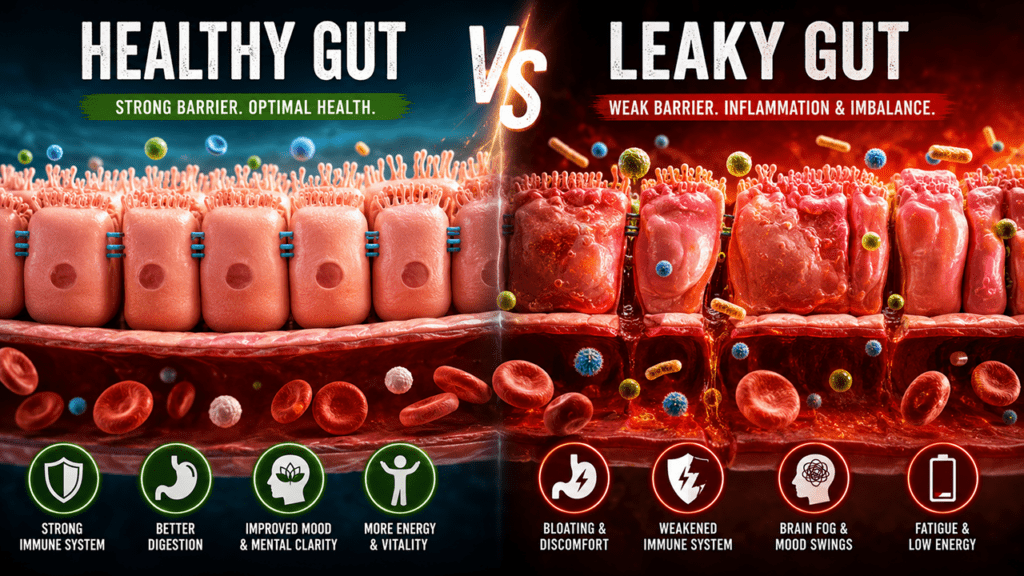
Most 4R/5R‑style plans focus on common root drivers: inflammatory foods, low stomach acid or enzymes, microbiome imbalance, increased intestinal permeability (“leaky gut”), and chronic stress or sleep disruption. By addressing these layers, many people see improvements in bloating, irregular bowel habits, food sensitivities, and energy. For others, these protocols are a foundation that sits underneath more specialized treatment for conditions like IBS, IBD, or autoimmune disease.
The 4R and 5R Frameworks Explained

The Four Core R’s
The 4R protocol is a classic functional medicine approach that includes Remove, Replace, Reinoculate, and Repair. It was originally developed as a practical way to restore a healthy gut–immune barrier and improve digestion. Many clinicians still use this structure today, sometimes with different wording for each R.
Adding a Fifth R: Rebalance
The 5R protocol adds a fifth step, Rebalance, which focuses on long‑term lifestyle and nervous system habits like stress, sleep, and movement. This phase recognizes that food and supplements alone cannot maintain gut health if your daily life constantly pushes your system back into survival mode. In practice, most real‑world plans look like 4R plus an ongoing Rebalance layer.
Step 1: Remove – Clear Irritants and Triggers
Food and Drink Triggers
The Remove phase focuses on taking out foods and drinks that commonly inflame or irritate the gut. That often includes ultra‑processed foods, refined sugars, excess alcohol, and sometimes gluten, dairy, or other personal trigger foods. Many protocols use an elimination diet for a few weeks, then systematically reintroduce foods to see what truly causes problems.
Infections, Overgrowths, and Medications
In some cases, Remove also means addressing small intestinal bacterial overgrowth (SIBO), yeast overgrowth, parasites, or other infections with targeted treatments. Clinicians may also review long‑term use of certain medications, like frequent NSAIDs, some acid‑suppressing drugs, or repeated antibiotics—that can harm the gut barrier or microbiome. These decisions should always be made with a healthcare provider, not by stopping medications on your own.
Step 2: Replace – Support Digestion
Stomach Acid, Bile, and Enzymes
The Replace phase is about restoring what your digestive system may be missing. That can include stomach acid support, bile support, or digestive enzymes to help break down proteins, fats, and carbohydrates. When digestion is more complete, there is less undigested food reaching the lower gut to feed overgrowths and cause gas or bloating.
Diet as a Digestive Tool
Replacing also means bringing in foods and habits that make digestion easier, like chewing thoroughly, not rushing meals, and choosing cooked, easier‑to‑digest foods at first. Warm, simple meals and broths often sit better in this phase than large salads or heavy, mixed meals. Simple practices like deep breathing before eating can also help the nervous system shift into “rest and digest.”
Step 3: Reinoculate – Rebuild Beneficial Microbes
Probiotics, Prebiotics, and Fermented Foods
In the Reinoculate phase, the focus shifts to restoring a healthier balance of microbes. This usually means adding probiotics (beneficial bacteria), prebiotic fibers that feed them, and fermented foods like yogurt, kefir, kimchi, or sauerkraut. The goal is to increase diversity and support microbes that produce helpful short‑chain fatty acids (SCFAs) like butyrate.
Go Slow to Avoid Setbacks
Because fibers and probiotics can increase gas production, many protocols advise starting low and going slow, especially if you are prone to bloating. People with SIBO or severe symptoms may need to time this step carefully, sometimes after antimicrobial work, under clinical guidance. Listening to your body during this phase is key; more is not always better at the beginning.
Step 4: Repair – Support the Gut Lining
Nutrients for Barrier Integrity
The Repair phase focuses on helping the gut lining heal and become more resilient. Nutrients often used here include L‑glutamine, zinc, omega‑3 fatty acids, vitamin D, and antioxidants such as curcumin and other plant polyphenols. These can come from both food (like fatty fish, broth, colorful vegetables) and targeted supplements as appropriate.
Time Frame and Expectations
Repairing the gut lining can take weeks to months, depending on how long symptoms have been present and what else is going on. During this phase, many people continue a simplified, gut‑friendly diet while gradually reintroducing tolerated foods. It is normal for progress to be gradual rather than overnight.
Step 5: Rebalance – Make It Sustainable
Stress, Sleep, and Nervous System Regulation

In the Rebalance phase, the focus shifts to lifestyle habits that keep your gut improvements from slipping away. That includes stress management (breathwork, prayer, therapy, nature time), consistent sleep, and realistic movement you can maintain. All of these influence the gut–brain axis and microbiome and are critical for long‑term resilience.
Daily Rhythm and Food Culture
Rebalancing also means building a daily rhythm around regular meals, less frantic eating, and a pattern of mostly whole foods that fits your culture and preferences. For many people, that looks like a flexible, Mediterranean‑style pattern with plenty of plants, healthy fats, and quality protein, plus occasional indulgences that do not derail the whole plan. The key is finding a sustainable groove, not a perfect or extreme diet.
Food-First Gut Resets and 7‑Day Plans
Short Resets as On‑Ramps

Several clinics and wellness programs use 7‑day gut reset plans as a gentle on‑ramp into gut recovery. These programs typically emphasize whole foods, hydration, movement, and sleep while removing obvious irritants like sugar, ultra‑processed foods, and heavy alcohol. They are not full 4R/5R protocols, but they can give you quick wins and motivation to move into deeper work.
What a Simple 7‑Day Reset Might Include
A typical 7‑day reset might include fiber‑rich breakfasts, soup or salad‑based lunches, simple protein‑and‑veg dinners, and 1–2 servings of fermented foods per day. It also often includes gentle movement (like daily walks), plenty of water, and a consistent bedtime. This kind of plan pairs well with the Remove and Replace phases of a longer protocol.
When You Need Professional Help
Red Flags and Medical Evaluation
Gut recovery protocols are not a replacement for proper medical evaluation. Red‑flag symptoms like blood in the stool, black tarry stools, severe or sudden pain, unintentional weight loss, persistent vomiting, or difficulty swallowing should always be checked by a doctor promptly. These can signal conditions that need immediate attention beyond nutrition and lifestyle changes.
Complex Cases and Testing
If you have long‑standing or severe issues—such as IBD, severe IBS, suspected SIBO, celiac disease, or significant autoimmune disease, it is important to work with a clinician who can integrate testing and personalized treatment into your protocol. Stool testing, breath tests, and targeted blood work can sometimes clarify the picture, but they are most useful when combined with a careful history and a structured plan like 4R/5R.
Local and Real‑World: Gut Recovery in Everyday Life
Making Protocols Fit Your Life
In places like Texas and across the U.S., functional medicine and nutrition clinics often emphasize making gut protocols fit into real work, family, and cultural patterns. That might mean gut‑friendly versions of familiar regional dishes, using slow cookers or pressure cookers to make meals easier, and planning around travel or social events instead of trying to be perfect. When a protocol respects real life, people are far more likely to complete it and keep the gains.
Integrating Movement and Community
Clinics also highlight the importance of movement you enjoy (walking groups, outdoor activities, gentle strength work) and supportive community to make lifestyle changes stick. These pieces sit squarely in the Rebalance phase and help keep stress lower and routines more sustainable. Gut recovery is much easier when you are not trying to do it in isolation.
Gut Recovery FAQs
What is the 4R gut healing protocol?
The 4R protocol is a four‑step gut healing framework: Remove irritants, Replace digestive supports, Reinoculate beneficial microbes, and Repair the gut lining. It is widely used in functional medicine to organize diet, supplement, and lifestyle changes into a logical sequence.
What is the difference between 4R and 5R protocols?
The 5R protocol adds a fifth step, Rebalance, which focuses on stress, sleep, movement, and long‑term lifestyle habits that keep your gut healthy. In practice, both 4R and 5R aim to remove what harms the gut, add what it needs, rebuild the microbiome, support the lining, and make those improvements last.
How long does a gut recovery protocol take?
Many people spend several weeks in Remove and Replace, then months in Reinoculate and Repair, with Rebalance being ongoing. Simple cases may feel better within 8–12 weeks, while deeper healing, especially with autoimmunity or long‑standing issues, can take six months or longer.
Can I do a gut reset by myself?
You can often start with a gentle, food‑first reset, removing obvious irritants, eating more whole foods, and supporting sleep and movement, on your own if you do not have red‑flag symptoms. More complex protocols that involve testing, antimicrobials, or changing medications should be done with a qualified practitioner.
Do I need special testing before starting a gut protocol?
Not everyone needs advanced testing before beginning basic gut‑supportive changes. Testing becomes more important when symptoms are severe, long‑standing, or when initial food and lifestyle changes do not move the needle. A clinician can help decide which tests, if any, are worth doing and how the results would actually change your plan.