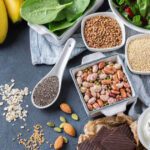
Inflammation serves as a precursor to numerous health issues, including heart disease and cancer. Adopting an anti-inflammatory diet can significantly support a healthy gut and bolster the immune system.
Strive to include at least five servings of antioxidant-rich fruits and vegetables in your daily meals. Foods like tomatoes, dark leafy greens, and berries are packed with nutrients that combat inflammation. Additionally, green tea is rich in epigallocatechin gallate, a compound known for its anti-inflammatory effects.
Powerful Fruits
Fruits are a treasure trove of potent anti-inflammatory antioxidants. Citrus fruits, abundant in vitamin C, play a crucial role in enhancing white blood cell function, which is vital for fighting infections and reducing inflammation, as highlighted by a recent study in “Frontiers in Immunology.”
Cherries are particularly beneficial due to their high content of quercetin and other compounds that mitigate oxidative stress and chronic inflammation. Leafy greens such as spinach, Swiss chard, and kale are rich in iron, vitamins A and K, and other anti-inflammatory nutrients like vitamin E and ellagitannins.
Turmeric is another powerful ingredient, containing curcumin, which effectively reduces inflammation. Incorporate turmeric into various dishes, including sauces, dressings, and curries.
Nutritious Vegetables
Vegetables rich in antioxidants help combat oxidative stress and lower inflammation levels. Key nutrients such as vitamin C (found in citrus fruits, green leafy vegetables, and berries), lycopene, and potassium are all essential for fighting inflammation.
Ginger and turmeric stand out for their strong anti-inflammatory properties. A study conducted in 2022 demonstrated that these spices reduce inflammatory signals in the brain.
Ensure your diet includes a vibrant array of colorful vegetables to maximize immune-boosting benefits. Focus on incorporating dark green, red, and orange produce.
Choosing Healthy Meats
While certain causes of inflammation, such as injuries or health conditions, are unavoidable, your dietary choices can greatly influence your levels of chronic inflammation. Steer clear of sugary drinks, processed meats, fast food, and trans fats commonly found in snacks like chips and cookies.
Short-term inflammation is a natural and beneficial response, but chronic inflammation can lead to serious health issues such as heart disease, cancer, arthritis, and diabetes.
Healthy Fats
Many factors contribute to long-term inflammation, but a nutritious diet can help manage your body’s inflammatory response. Avoid foods high in sugar, refined carbohydrates, and fried fats.
Opt for whole grains, beans, fruits, vegetables, and fatty fish. Fatty fish are an excellent source of omega-3 fatty acids and phenolic compounds that combat inflammation. Green tea also contains epigallocatechin gallate, known to reduce inflammation. Additionally, spices like ginger, turmeric, and cinnamon exhibit anti-inflammatory properties, while lycopene in tomatoes helps safeguard against cellular damage and inflammation.
Anti-Inflammatory Drinks and Foods
Incorporating anti-inflammatory beverages into your daily routine can effectively combat inflammation. Consider enjoying green smoothies made with apples, spinach, and bananas for a healthy antioxidant boost, or a warm elderberry drink enriched with vitamin C.
Avoid sugary foods and drinks that can trigger inflammation, including sodas, candies, cakes, and cookies. These items often contain high levels of inflammatory ingredients like fructose and artificial trans fats. Fatty fish, rich in omega-3 fatty acids, are instrumental in preventing and managing inflammation.
The Benefits of a Plant-Based Diet
Amid the myriad of dietary trends, a plant-based eating plan consistently shows promise in reducing the risk of numerous cancers. This diet eliminates meat and animal fats found in butter, fried foods, and processed snacks while emphasizing whole fruits, vegetables, and nuts.
A plant-based diet is abundant in immune-supporting nutrients, including iron, vitamin C, potassium, magnesium, and calcium. Its low-calorie content may also assist with weight management.
Essential Nutrients
While inflammation is a protective response from the body, it can become problematic when it spirals out of control. Chronic inflammation is associated with various health issues, including rheumatoid arthritis, diabetes, heart disease, psoriasis, and allergies.
Limit your intake of highly processed foods and sugars that trigger the release of inflammatory substances known as cytokines. Incorporate leafy green vegetables, fruits, and beans into your meals, along with herbs and spices that provide powerful antioxidants. Including a handful of nuts can also offer healthy fats and anti-inflammatory nutrients.
The Role of Supplements
Inflammation acts as the body’s alarm system, alerting us to foreign invaders like viruses or bacteria and aiding in the healing of injuries or illnesses. However, persistent inflammation can lead to significant health challenges, including obesity and chronic diseases.
Incorporate immune-boosting foods into your shopping list, such as fresh fruits and vegetables, whole grains, and healthy fats. Vitamin C is renowned for enhancing white blood cell function, which is essential for combating infections. Furthermore, green tea contains the antioxidant EGCG, which may inhibit pro-inflammatory compounds.
Did you miss our previous article?
Read here