Juice cleanses typically involve eliminating solid foods from your diet for a specific period. This method can help identify and remove food sensitivities, such as those related to dairy, wheat, and gluten.
Rich in water content, juices assist the body in flushing out toxins. To further enhance hydration, it’s advisable to drink room temperature or lukewarm water between juice servings.
Immunity-Boosting Juices
A juice cleanse inundates the body with essential nutrients derived from fresh, organic fruits and vegetables. This practice not only aids in detoxification but may also support weight loss, although this is primarily based on anecdotal evidence. However, it’s vital to avoid substituting all meals with juice over an extended period. Drinking ample room temperature or lukewarm water is crucial, as relying solely on juices can lead to dehydration.
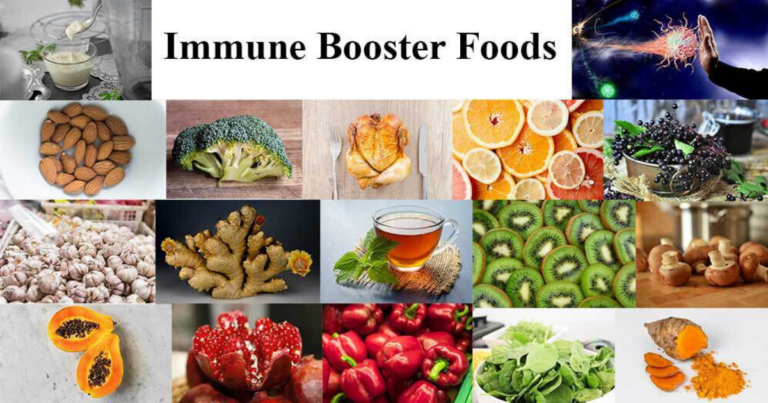
Immune-Boost Juice is formulated with ingredients known to strengthen immunity and combat free radicals and allergies. This juice combines the potent antioxidants found in carrots, apples, ginger, and oranges with the anti-inflammatory properties of lemons and cucumbers.
After completing a juice cleanse, it’s advisable to gradually reintroduce solid foods into your diet to prevent digestive discomfort. Always pay attention to your body’s signals and consult a healthcare professional before undertaking a juice cleanse, especially if you have kidney issues or a genetic predisposition to oxalate accumulation.
Are Juice Cleanses Beneficial for Health?
Many individuals turn to juice cleanses for weight loss, but this approach may not be healthy. While it can result in a temporary reduction in water weight, this loss is often regained quickly once solid foods are reintroduced. Additionally, juice cleanses may lead to feelings of hunger, potentially resulting in overeating later.
One significant downside of juice cleanses is the removal of fiber, an essential component for a healthy digestive system and for maintaining a sense of fullness. The lack of fiber can lead to constipation and other digestive issues. Juice cleanses can also be high in oxalates, which may accumulate in the kidneys and contribute to the formation of kidney stones.
If you have issues with blood sugar regulation or already consume a predominantly plant-based diet, it may be wise to avoid juice cleanses. If you proceed with a cleanse, opt for a short duration and focus on integrating more whole fruits and vegetables into your diet afterward. This approach will help foster a healthier relationship with food and support sustainable weight loss in the long run.
Best Juices to Consume When Ill
A juice cleanse can assist your body in detoxifying and bolstering your immune system. Juices are rich in vitamins, minerals, and antioxidants that can enhance immunity and facilitate healing. They also help replenish glycogen stores, which are vital for maintaining the body’s natural defenses. A juice cleanse generally lasts from three to ten days.
While juice cleanses can offer numerous health benefits, it’s essential to avoid extreme caloric restriction or overly restrictive diets. Always consult your doctor before making significant dietary changes. Individuals with diabetes or pre-diabetes should refrain from juicing, as it can lead to fluctuations in blood sugar levels. Pregnant women and children should also avoid juice cleanses.
If you decide to try a juice cleanse, start with small amounts of juice and gradually increase your intake as your body adjusts. Incorporate more whole foods into your meals and ensure you drink plenty of water throughout the process.
Best Juices for Cold and Flu Relief
A diet rich in immune-boosting nutrients can help defend against colds and flu. Drinking juice can also play a significant role in this regard. Juice cleanses provide a concentrated source of vitamins, minerals, and other nutrients in a liquid form that the body can easily digest.
The ideal juice for combating cold and flu symptoms includes a blend of immune-supporting ingredients. For instance, vitamin C from citrus fruits and leafy greens is known to enhance immune function. Ginger possesses antiviral properties, while kale offers phytochemicals that may alleviate cold symptoms.
Another advantage of juice cleanses is the reduction of bloating. Since juices are low in calories, they can help mitigate bloating and support weight loss.
Did you miss our previous article?
Learn more here.