Maintaining a healthy gut is vital for overall well-being, as many people experience digestive issues that can significantly impact their quality of life. Fortunately, a combination of nutritious foods and herbal remedies can effectively support gut health. In this article, we will explore some of the best foods and herbs to incorporate into your diet for improved digestion.
The Role of Vitamin C in Gut Health
Vitamin C plays a crucial role in supporting immune function and collagen production. Collagen, a structural protein found in skin and connective tissues, is essential for maintaining the integrity of the gut lining. By increasing gastric juices, collagen aids in digestion and helps repair damaged intestinal linings.
Foods rich in vitamin C include oranges, bell peppers, sweet potatoes, broccoli, and Brussels sprouts. Incorporating these foods into your daily meals can provide the necessary nutrients to support your gut health.
Herbal Teas for Digestive Support
Herbal teas are an excellent way to hydrate and nourish the body with plant-powered ingredients. Drinking multiple cups of tea daily can offer various benefits for digestion. Some herbal teas known for their digestive support include ginger, lemon balm, and peppermint.
Ginger tea is particularly beneficial, as it stimulates digestive juices, alleviates occasional indigestion, and can help reduce nausea. Ginger Aid tea, which includes ginger, blackberry leaf, and lemon myrtle leaf, is perfect for warming up your digestive system before meals.

Lemon balm is a gentle herb that may relieve tension and occasional digestive discomfort. Peppermint tea provides a refreshing way to soothe the stomach and alleviate digestive issues. For those who enjoy herbal teas, Traditional Medicinals offers a variety of options that are widely available in stores.
The Importance of Probiotics
Probiotics are beneficial live bacteria found in the digestive tract that can enhance gut health. They may help strengthen the immune system, improve digestion, and even contribute to better skin, hair, and nail health. Foods rich in probiotics include kefir, miso soup, kimchi, and apple cider vinegar. You can also consider taking a probiotic supplement for added benefits.
Understanding Prebiotics
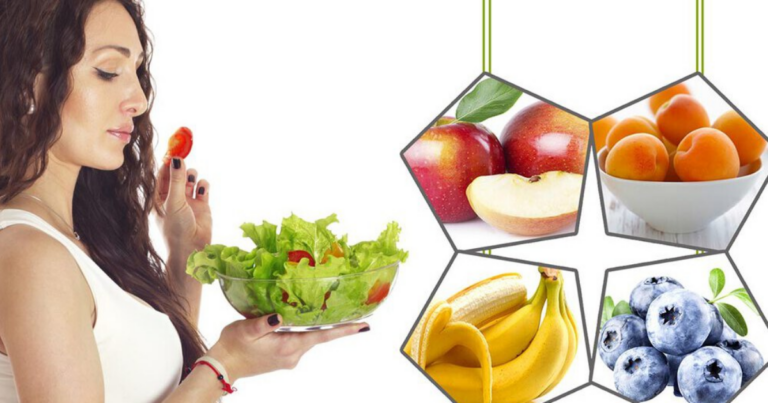
Prebiotics serve as food for probiotics, helping to increase their presence in the digestive system. Foods that are high in prebiotics include garlic, onions, leeks, asparagus, bananas, oats, barley, apples, and flax seeds. Incorporating these foods into your diet can create a favorable environment for beneficial bacteria to thrive.
The Benefits of Bone Broth
Bone broth is an excellent source of collagen, which is known to help restore gut health. You can easily make your own bone broth at home or purchase a high-quality organic version at the grocery store. Bone broth is not only great for soups but can also be used to cook grains like quinoa or rice, adding nutritional value to your meals.
Reducing Sugar Intake for Gut Health
One essential tip for maintaining gut health is to reduce sugar intake. Sugar acts as fuel for harmful bacteria in the digestive system, which can lead to an imbalance between good and bad bacteria. If you struggle with digestive issues, consider adopting a whole-food diet that emphasizes real, unprocessed foods while minimizing packaged options. Always check ingredient lists, as many products contain hidden sugars that can negatively affect gut health.
By focusing on nutrient-dense foods, incorporating herbal teas, and being mindful of sugar consumption, you can significantly improve your gut health and digestion. Making these dietary changes will not only benefit your digestive system but also enhance your overall well-being.