Maintaining a healthy gut is vital for overall wellness, as it plays a significant role in digestion, nutrient absorption, and immune function. While a balanced diet and lifestyle are foundational to gut health, certain herbs can offer additional support in healing and nurturing the digestive system. This article examines various herbs known for their gut-healing properties, their benefits, and practical ways to incorporate them into your daily routine.
Understanding the Importance of Gut Health
The Significance of a Healthy Gut
The digestive system, often referred to as the gut, includes the stomach, intestines, and other organs involved in processing food. A healthy gut is essential for:
- Effective Digestion: Ensuring efficient digestion and nutrient absorption.
- Immune System Function: A substantial portion of the immune system resides in the gut.
- Mental Wellness: The gut-brain connection links gut health to mental well-being.
Common Digestive Issues
- Leaky Gut Syndrome: Increased intestinal permeability leading to inflammation.
- Irritable Bowel Syndrome (IBS): A condition characterized by abdominal pain and altered bowel habits.
- Inflammatory Bowel Disease (IBD): A chronic condition involving inflammation of the digestive tract.
Herbs That Support Gut Healing
1. Ginger (Zingiber officinale)
Ginger is well-known for its digestive benefits. Its anti-inflammatory and anti-nausea properties make it beneficial for:
- Alleviating Nausea: Effective in reducing symptoms of nausea and vomiting.
- Improving Digestion: Stimulates digestive enzymes, facilitating food breakdown.
- Reducing Inflammation: Helps alleviate inflammation in the gut lining.
Ways to Use Ginger:
- Tea: Steep fresh ginger slices in hot water for a soothing drink.
- Smoothies: Add powdered ginger to your smoothies for a health boost.
- Cooking: Incorporate ginger into various dishes to enhance flavor and benefits.
2. Peppermint (Mentha piperita)
Peppermint is celebrated for its soothing effects on the digestive tract. It can assist with:
- Relieving IBS Symptoms: Reduces abdominal pain and bloating associated with IBS.
- Calming the Stomach: Acts as a muscle relaxant within the gastrointestinal tract.
- Supporting Digestion: Enhances bile flow, improving overall digestion.
Ways to Use Peppermint:
- Tea: Brew peppermint leaves in hot water for a refreshing beverage.
- Capsules: Consider taking enteric-coated peppermint oil capsules.
- Essential Oil: Use diluted peppermint oil for abdominal massages.
3. Turmeric (Curcuma longa)
Turmeric contains curcumin, a compound with powerful anti-inflammatory and antioxidant properties. Its benefits include:
- Reducing Gut Inflammation: Helps manage symptoms of IBD and leaky gut syndrome.
- Supporting Liver Function: Aids in detoxification processes.
- Promoting Gut Repair: Encourages healing of the gut lining.
Ways to Use Turmeric:
- Golden Milk: Combine turmeric powder with warm milk or a dairy-free alternative.
- Curries and Soups: Add turmeric to various dishes for flavor and health benefits.
- Supplements: Consider taking curcumin supplements for concentrated benefits.
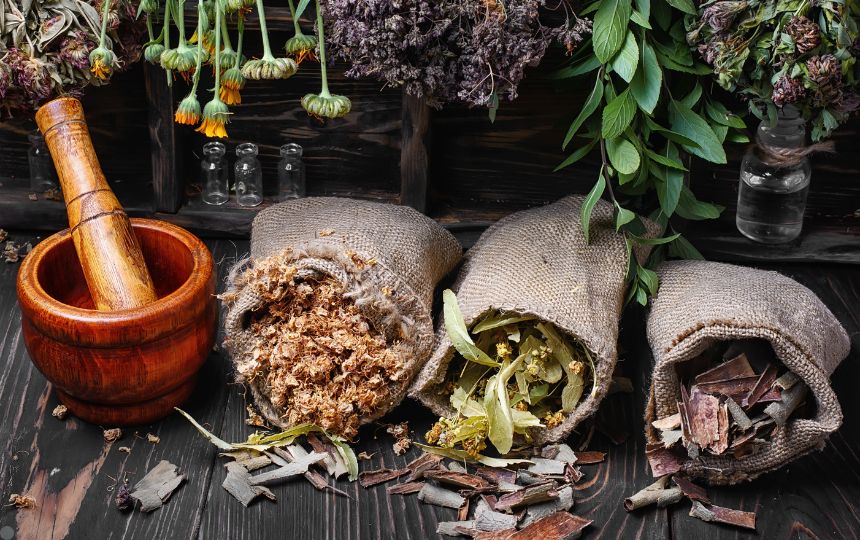
4. Slippery Elm (Ulmus rubra)
Slippery elm is known for its mucilaginous properties, which help soothe and protect the gut lining. Its uses include:
- Soothing Irritation: Provides relief from inflammation and irritation in the gut.
- Supporting Digestive Health: Promotes a healthy mucosal lining in the digestive tract.
- Alleviating Constipation: Acts as a gentle laxative to relieve constipation.
Ways to Use Slippery Elm:
- Tea: Steep slippery elm powder in hot water for a soothing drink.
- Powder: Mix with water to create a soothing gel or paste.
- Capsules: Take slippery elm supplements as directed.
5. Fennel (Foeniculum vulgare)
Fennel seeds possess carminative properties, which help alleviate gas and bloating. Key benefits include:
- Reducing Bloating: Helps minimize bloating and gas in the digestive tract.
- Supporting Digestion: Enhances overall digestive function.
- Soothing Cramping: Provides relief from digestive cramping and discomfort.
Ways to Use Fennel:
- Tea: Brew fennel seeds in hot water for a soothing beverage.
- Chewing Seeds: Chew fennel seeds after meals for digestive support.
- Cooking: Incorporate fennel seeds into various recipes for added flavor.
Incorporating Healing Herbs into Your Daily Routine
Selecting Quality Herbs
To maximize the benefits of herbs, consider the following:
- Source: Choose organic, high-quality herbs from reputable suppliers.
- Form: Select the appropriate form (fresh, dried, powdered, or encapsulated) based on your preferences and needs.
Precautions and Consultations
- Allergies: Be aware of any potential allergic reactions to herbs.
- Medications: Consult with a healthcare provider if you’re taking medications or have underlying health conditions.
Integrating Herbs into Your Diet
- Start Slowly: Introduce herbs gradually to monitor their effects on your digestive system.
- Combine with a Balanced Diet: Use herbs as part of a holistic approach to gut health that includes a balanced diet, hydration, and lifestyle changes.
Integrating herbs into your daily routine can provide valuable support for gut health. From soothing inflammation to improving digestion, each herb offers unique benefits. By selecting high-quality herbs and incorporating them into a balanced lifestyle, you can make significant strides toward achieving a healthier gut.