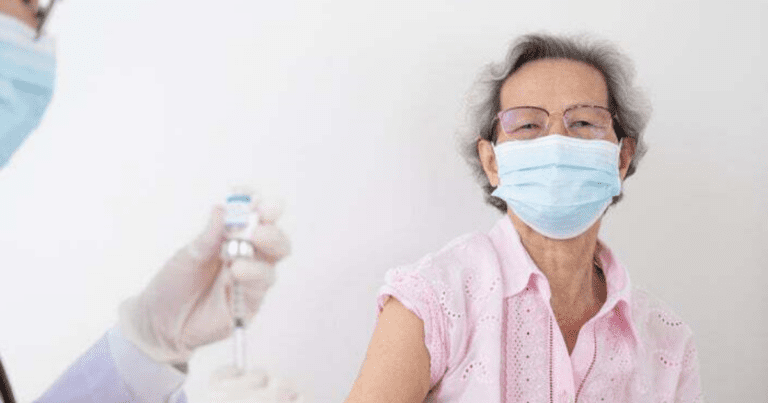
Pneumonia poses significant health risks, particularly for adults. Vaccination targeting the Streptococcus pneumoniae bacteria, commonly known as pneumococcus, can significantly reduce the likelihood of infection and protect against severe complications such as meningitis and bloodstream infections. Health authorities recommend vaccination for adults aged 65 and older, as well as individuals with certain medical conditions that elevate their risk of pneumococcal disease.
Understanding the Risks of Pneumonia
Pneumococcus can lead to serious, sometimes fatal infections. Vulnerable populations include infants, older adults, and individuals with specific health issues.
While side effects from the pneumonia vaccine are rare, some adults and children may experience mild reactions. Common side effects include pain, tenderness, and swelling at the injection site, which may restrict arm movement temporarily.
If you or your child experience an allergic reaction to the pneumonia vaccine, it constitutes a medical emergency requiring immediate intervention.
Mechanism of the Pneumonia Vaccine
The pneumonia vaccine enhances the immune system’s ability to combat the bacteria responsible for the infection. It achieves this by stimulating the production of antibodies that specifically target the outer shell of pneumococci bacteria.
This vaccine incorporates polysaccharides from various strains of the bacteria, along with a protein designed to bolster the immune response. While it cannot prevent every pneumonia case, it is particularly beneficial for individuals with compromised immune systems.
Pneumonia Vaccination Guidelines for Adults
Pneumonia is a serious lung infection that predominantly affects young children, older adults, and those with underlying health conditions. Vaccination is a crucial preventive measure against pneumonia caused by Streptococcus pneumoniae.
Two pneumococcal vaccines are available: PCV13 and PPSV23. Both vaccines are recommended for adults aged 65 and older, offering protection against severe pneumonia types.
Latest Developments in Pneumonia Vaccination
The pneumonia vaccine effectively prevents serious illnesses, including pneumonia and bacterial meningitis, by prompting the body to produce antibodies that eliminate harmful germs.
Generally, vaccines do not induce illness or cause allergic reactions in most individuals. Annual flu vaccinations are also vital for maintaining health, and both vaccines can be administered simultaneously. Consult your doctor for personalized advice.
Where to Obtain the Pneumonia Vaccine
All children aged two years and older should receive the pneumococcal vaccine, which protects against severe diseases like pneumonia, meningitis, and bloodstream infections.
The vaccine is available at your healthcare provider’s office and select pharmacies, including CVS Pharmacy. Discuss with your doctor the best timing for vaccination, as it can be administered at any time throughout the year.
Advantages of the Pneumonia Vaccine
While the vaccine cannot eliminate all pneumonia cases, it significantly lowers the risk of infection and reduces the severity of the disease if contracted. This is particularly vital for individuals over 65 and those with weakened immune systems.
Pneumonia can lead to various complications beyond lung issues, including ear infections, sinusitis, and meningitis. Vaccination plays a critical role in protecting against these serious conditions and can be life-saving.
Pneumonia Treatment and Recovery
Most individuals recover from pneumonia with appropriate treatment, but severe cases can be life-threatening and may necessitate hospitalization.
Diagnosis often involves X-rays to detect fluid in the lungs and blood tests to determine the infection’s cause—whether bacterial, viral, or fungal.
Treatment may include intravenous fluids and antibiotics. Severe pneumonia cases may require oxygen therapy or mechanical ventilation for support.
Pneumonia Vaccine and Immune System Support
The pneumonia vaccine is instrumental in preventing serious infections caused by Streptococcus pneumoniae, affecting the lungs (pneumonia), bloodstream (bacteremia), and central nervous system (meningitis).
Healthcare providers typically administer a series of pneumococcal vaccines, spaced at least a year apart. The conjugate vaccines PPSV23 and PCV13 include 23 types of pneumococcal capsular polysaccharides linked to a protein to enhance the immune response.
Pneumonia Prevention Through Vaccination
Children, older adults, and individuals with specific health conditions are at an elevated risk for pneumococcal disease. These pathogens can result in severe illnesses such as pneumonia, meningitis, and bloodstream infections.
Vaccination significantly reduces the likelihood of contracting these diseases and mitigates their severity if they do occur. The CDC advocates for the Pneumococcal Conjugate (PCV13) vaccine for children and the PPSV23 vaccine for adults.
Pneumonia Vaccines for Adults: Names and Recommendations
Prevnar 20 and Pneumovax 23 are two vaccines that protect adults against the most prevalent strains of pneumococcal bacteria responsible for severe infections. The Advisory Committee on Immunization Practices (ACIP) recommends these vaccines for most adults aged 65 and older.
Older adults are at risk of experiencing serious, long-term health complications from pneumonia and other illnesses linked to pneumococcal bacteria. These vaccines are vital for reducing their risk of illness and mortality. Annual pneumonia vaccinations are essential for this demographic.
For more information on healthcare topics, feel free to check out our previous article on antibiotics in babies.