The human gut microbiome is a complex ecosystem made up of trillions of microorganisms that reside in our intestines. This intricate community, which includes bacteria, viruses, and fungi, plays a vital role in maintaining our overall health. It affects various physiological processes, including digestion, immunity, metabolism, and even mood regulation. Research indicates that a diverse gut microbiome is crucial for optimal health. On the other hand, an imbalance in gut microbes, known as dysbiosis, can lead to several health issues, including gastrointestinal disorders, weakened immune function, and chronic diseases.
This article discusses the importance of a diverse gut microbiome and provides dietary strategies to promote its growth. We will examine the concepts of prebiotics and probiotics, which are essential for nurturing a healthy gut ecosystem, and highlight specific food choices that can significantly enhance gut microbial diversity.
The Importance of Gut Microbiome Diversity
A thriving gut microbiome consists of a wide variety of microbial strains, each contributing unique functions. This diversity fosters resilience, enabling the gut ecosystem to adapt to dietary changes and effectively combat harmful pathogens. In contrast, a lack of diversity can impair these functions, leading to:
- Digestive Issues: An imbalance in gut bacteria can disrupt digestion, resulting in bloating, gas, constipation, or diarrhea.
- Weakened Immunity: A healthy gut microbiome is vital for training the immune system. Dysbiosis can increase susceptibility to infections and allergies.
- Risk of Chronic Diseases: Emerging studies suggest a potential link between gut dysbiosis and the development of chronic conditions such as obesity, diabetes, and inflammatory bowel disease (IBD).
Utilizing Prebiotics and Probiotics
Two key dietary strategies can promote a diverse gut microbiome: prebiotics and probiotics.

- Prebiotics: These non-digestible fibers serve as food for beneficial gut bacteria, encouraging their growth and activity.
- Probiotics: These live bacterial strains introduce beneficial microbes directly into the gut. Probiotics can be found in fermented foods or supplements.
Dietary Strategies for a Diverse Gut Microbiome
1. Embrace a Fiber-Rich Diet
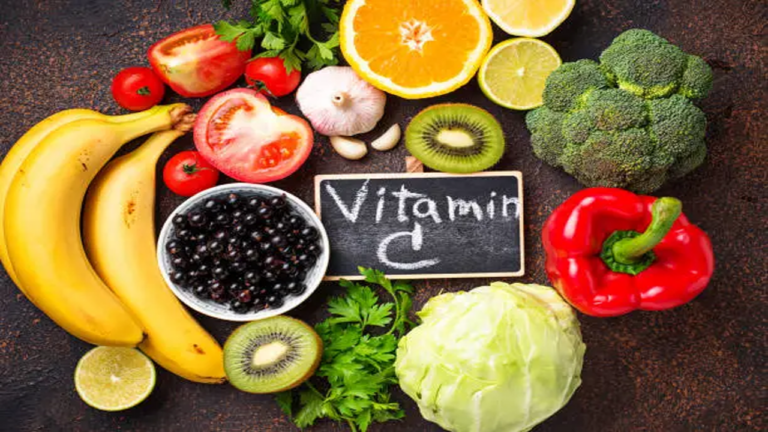
- Fruits and Vegetables: A colorful array of fruits and vegetables is a treasure trove of prebiotics. Berries, apples, bananas, kiwifruit, onions, garlic, asparagus, artichokes, and leafy greens are all excellent sources of prebiotic fibers like pectin and inulin.
- Whole Grains: Choose whole grains such as brown rice, quinoa, oats, barley, and whole-wheat bread over refined grains. Whole grains provide higher fiber content, offering sustained nourishment for gut bacteria.
- Legumes: Beans, lentils, chickpeas, and peas are significant contributors to gut health. They provide protein and plant-based iron while being rich in prebiotic fiber.
- Nuts and Seeds: Almonds, cashews, walnuts, flaxseeds, and chia seeds are excellent sources of prebiotic fiber. Enjoy them in moderation as part of a balanced diet.
2. Incorporate Probiotic-Rich Foods
- Yogurt: Look for yogurt containing live and active cultures, specifically Lactobacillus and Bifidobacterium strains. Choose plain yogurt and sweeten it naturally with fruit or honey.
- Kefir: This fermented milk drink is loaded with beneficial bacteria strains and offers a tangy, slightly effervescent flavor.
- Kimchi: This spicy Korean fermented cabbage is a probiotic powerhouse and adds a delicious kick to meals.
- Sauerkraut: Fermented cabbage is another excellent source of probiotic bacteria. Opt for raw and unpasteurized varieties to retain live cultures.
- Kombucha: This fermented tea drink is gaining popularity and provides a bubbly, slightly sweet flavor. Look for kombucha with live cultures for probiotic benefits.
3. Prioritize a Balanced Diet
- Variety is Key: Avoid monotony in your diet! Explore a wide range of fruits, vegetables, whole grains, and legumes to expose your gut bacteria to diverse prebiotic fibers.
- Limit Processed Foods and Added Sugars: Processed foods and added sugars can disrupt the delicate balance of gut bacteria. Opt for whole, unprocessed foods whenever possible.
Additional Strategies to Foster a Diverse Gut Microbiome
- Manage Stress: Chronic stress can adversely affect the gut microbiome. Engage in stress-reduction techniques like yoga, meditation, or deep breathing to maintain healthy stress levels.
- Adequate Sleep: Insufficient sleep can disrupt gut microbial composition. Aim for 7-8 hours of quality sleep each night.
- Regular Exercise: Physical activity promotes a healthy gut microbiome. Aim for at least 30 minutes of moderate-intensity exercise most days of the week, as it enhances blood flow to the digestive system.
- Consider Prebiotic Supplements: While consuming prebiotic-rich foods is ideal, supplements can provide concentrated sources of prebiotic fibers like inulin or fructooligosaccharides (FOS). Consult with your healthcare provider before starting any supplements.
- Explore Emerging Options: Ongoing research is uncovering new possibilities to support gut health. Consider options like fermented plant-based milks (e.g., almond milk kefir) or specific probiotic strains based on advancements in personalized medicine.
Food Groups to Limit for Gut Health
- Refined Grains and Sugars: These can create an inflammatory environment in the gut and promote the growth of harmful bacteria. Limit white bread, pastries, sugary drinks, and processed snacks.
- Artificial Sweeteners: While calorie-free, artificial sweeteners may disrupt gut bacteria composition. Opt for natural sweeteners like honey or maple syrup in moderation.
- Excessive Alcohol Consumption: Heavy alcohol intake can damage the gut lining and disrupt the gut microbiome. Consume alcohol in moderation, or consider abstaining altogether for optimal gut health.
Building a Sustainable Dietary Approach
- Small, Gradual Changes: Overhauling your diet overnight can be overwhelming and unsustainable. Start by making small, gradual changes. Add a serving of prebiotic-rich vegetables to most meals or introduce a new fermented food each week.
- Plan and Prepare: Planning your meals and snacks in advance can help you make healthy choices and avoid unhealthy temptations. Experiment with new recipes featuring gut-friendly ingredients.
- Mindful Eating: Pay attention to hunger and fullness cues. Eat slowly, savor your food, and avoid distractions while dining. This promotes healthy digestion and reduces stress-induced overeating.
- Enjoy the Journey: Cultivating a diverse gut microbiome is a long-term commitment; it’s a journey toward a healthier lifestyle. Embrace the process, experiment with new flavors and textures, and find joy in nourishing your gut for optimal health.
The Future of Gut Microbiome and Dietary Research
The field of gut microbiome research is rapidly evolving, with exciting possibilities emerging for dietary interventions that promote a diverse and healthy gut ecosystem. Here are some promising areas of exploration:
- Personalized Nutrition: As we gain a deeper understanding of individual gut microbiome profiles, the potential for personalized dietary plans tailored to specific needs becomes a reality. Imagine a future where dietary recommendations are based on your unique gut bacterial composition, maximizing benefits for your gut health and overall well-being.
- Prebiotic Diversity: Research suggests that a wider variety of prebiotic fibers may be more beneficial for promoting gut microbial diversity. Future exploration may identify specific prebiotic combinations that target and nourish specific beneficial bacterial strains.
- Fermented Foods and Beyond: The world of fermented foods is vast and continues to expand. Exploring novel fermented foods from different cultures or investigating the potential of fermented plant-based products could offer even greater avenues for introducing beneficial bacteria strains to the gut.
- Postbiotics: Postbiotics are the metabolic byproducts of gut bacteria fermentation, such as short-chain fatty acids. Ongoing research on the specific health benefits of these byproducts may lead to targeted gut health interventions in the future.

Cultivating a Gut-Friendly Lifestyle
Building a diverse gut microbiome involves more than just dietary changes; it requires adopting a gut-friendly lifestyle. Here are additional tips to enhance your approach:
- Prioritize Mental Wellbeing: The mind-gut connection is significant. Engaging in stress management practices like yoga, meditation, or spending time in nature can positively influence your gut health.
- Seek Support and Community: Strong social connections can reduce stress. Connect with loved ones, join health and wellness groups, or seek professional help if needed.
- Regular Checkups: Schedule regular visits with your healthcare provider to monitor your overall health and discuss any gut-related concerns.
Your gut microbiome is a dynamic ecosystem that responds to your lifestyle choices. By prioritizing a balanced diet rich in prebiotic fibers and probiotic foods, managing stress, ensuring sufficient sleep, and engaging in regular exercise, you can cultivate a thriving gut microbiome. This will lead to numerous benefits, including improved digestion, a stronger immune system, enhanced mood, and a foundation for overall well-being. Embrace the journey, nourish your gut, and foster a healthier, happier you!