Maintaining a robust gut microbiome is vital for overall health, impacting digestion, immune function, mental well-being, and numerous other bodily processes. By integrating specific foods into your diet, you can foster a diverse and balanced gut microbiome. This article highlights the best foods that promote gut health and explores their positive effects on your overall wellness.
Understanding the Importance of Gut Health
A healthy gut is essential for your well-being, as the gut microbiome significantly influences digestion, immunity, and even mental health. Achieving a balanced and diverse microbiome is possible through a nutritious diet rich in various foods. Here, we examine the top foods that support gut health and nurture a thriving microbiome.
Fiber-Rich Foods
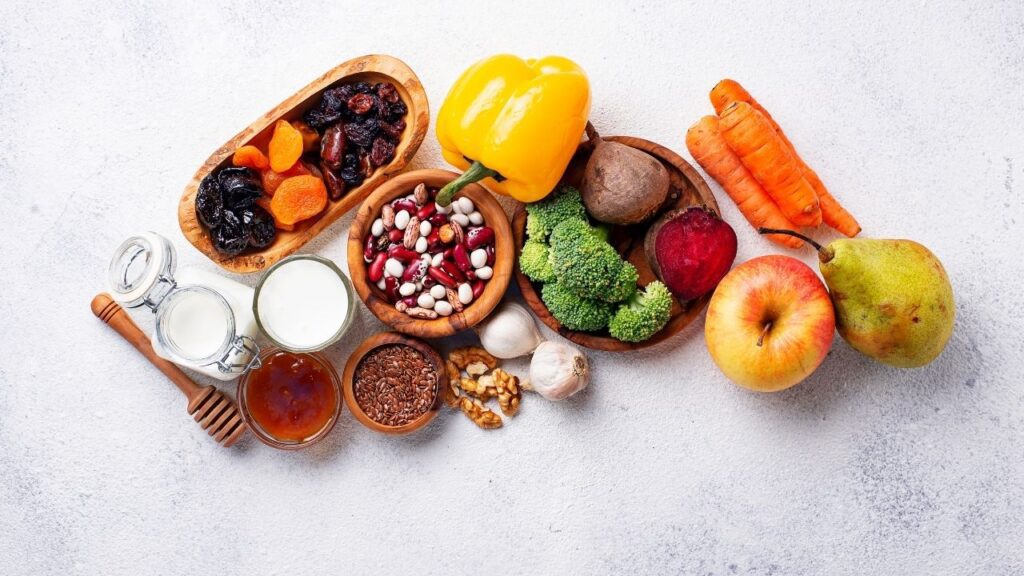
Fiber, a type of carbohydrate that the human body cannot digest, serves as a crucial energy source for beneficial gut bacteria. Adequate fiber intake not only regulates bowel movements but also fosters the growth of these helpful bacteria. Incorporate fiber-rich foods such as fruits, vegetables, whole grains, legumes, and nuts into your meals to provide the necessary nourishment for a healthy gut microbiome.
Probiotic Foods
Probiotics are live microorganisms that offer numerous health benefits when consumed in sufficient quantities. These beneficial bacteria help maintain the balance of the gut microbiome and support digestive health. Foods rich in probiotics include yogurt, kefir, sauerkraut, kimchi, and other fermented options. Adding probiotic foods to your diet can introduce more beneficial bacteria, enhancing the overall health of your gut microbiome.
Prebiotic Foods
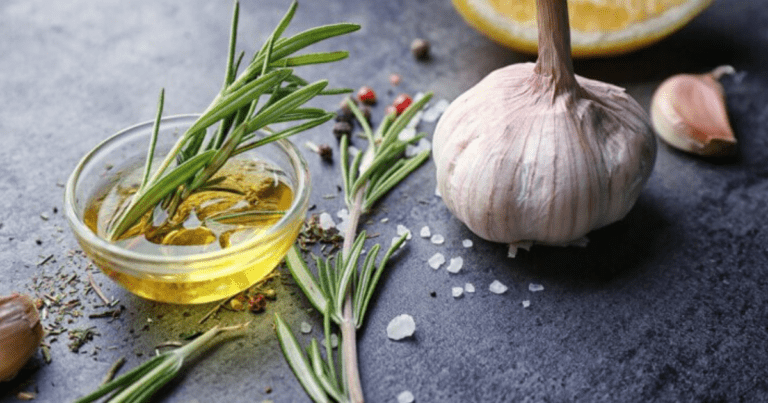
Prebiotics are a specific type of fiber that serves as food for beneficial gut bacteria. They stimulate the growth and activity of these bacteria, promoting a healthy microbiome. Foods high in prebiotics include garlic, onions, leeks, asparagus, bananas, and oats. Regularly incorporating prebiotic foods into your meals can help boost the population of beneficial bacteria in your gut, improving your digestive health.

Fermented Foods
Fermented foods are not only tasty but also beneficial for gut health. The fermentation process allows natural bacteria to convert sugars into organic acids and gases. Products like yogurt, kefir, kombucha, and miso contain beneficial bacteria that aid digestion and support the gut microbiome. Including these foods in your diet can introduce a diverse range of helpful bacteria to your gut, promoting its health.
Omega-3 Fatty Acid Foods
Omega-3 fatty acids are renowned for their anti-inflammatory properties and various health benefits. Beyond supporting heart health and brain function, these fatty acids also contribute to maintaining a healthy gut microbiome. Foods rich in omega-3s include fatty fish like salmon and mackerel, flaxseeds, chia seeds, and walnuts. Adding these foods to your diet provides essential nutrients that support both gut health and overall wellness.
Antioxidant-Rich Foods
Antioxidants protect our cells from damage caused by free radicals. These harmful molecules can disrupt the balance of the gut microbiome and lead to various health issues. Consuming antioxidant-rich foods, such as berries, dark chocolate, green leafy vegetables, and green tea, helps neutralize free radicals and supports a healthy gut microbiome. Including these foods in your diet equips your body with the necessary defense against oxidative stress.
Polyphenol-Rich Foods
Polyphenols are compounds found in plant-based foods that promote gut health. Acting as prebiotics, they fuel the growth of beneficial bacteria. Foods rich in polyphenols include cocoa, red wine, berries, apples, and green tea. Consuming these foods supports a diverse and thriving gut microbiome.
Short-Chain Fatty Acid Foods
Short-chain fatty acids (SCFAs) are produced when beneficial gut bacteria ferment dietary fiber. These fatty acids play a vital role in gut health by providing energy for the cells lining the gut and helping maintain a healthy intestinal environment. Foods that promote SCFA production include whole grains, legumes, fruits, and vegetables. Incorporating these foods into your meals can positively impact your gut health by supporting SCFA production.
Glutamine-Rich Foods
Glutamine is an amino acid essential for maintaining the integrity of the intestinal lining. Consuming foods rich in glutamine, such as beef, chicken, fish, eggs, dairy products, and tofu, supports gut health by promoting the healing and regeneration of the gut lining. Including these foods in your diet strengthens the gut barrier, preventing harmful substances from entering the bloodstream.
Zinc-Rich Foods
Zinc is a vital mineral that supports immune function and plays a role in producing enzymes that aid digestion. Foods rich in zinc include oysters, beef, poultry, nuts, seeds, and legumes. Ensuring an adequate intake of zinc through these foods can support a healthy gut microbiome and promote proper digestion.
Maintaining a healthy gut microbiome is essential for overall health, and incorporating the right foods into your diet can significantly impact your well-being. By including fiber-rich foods, probiotics, prebiotics, fermented foods, omega-3 fatty acid foods, antioxidant-rich foods, polyphenol-rich foods, short-chain fatty acid foods, glutamine-rich foods, and zinc-rich foods, you can nurture a thriving gut microbiome and promote optimal gut health. A balanced and diverse microbiome is key to enhancing your overall health and wellness.