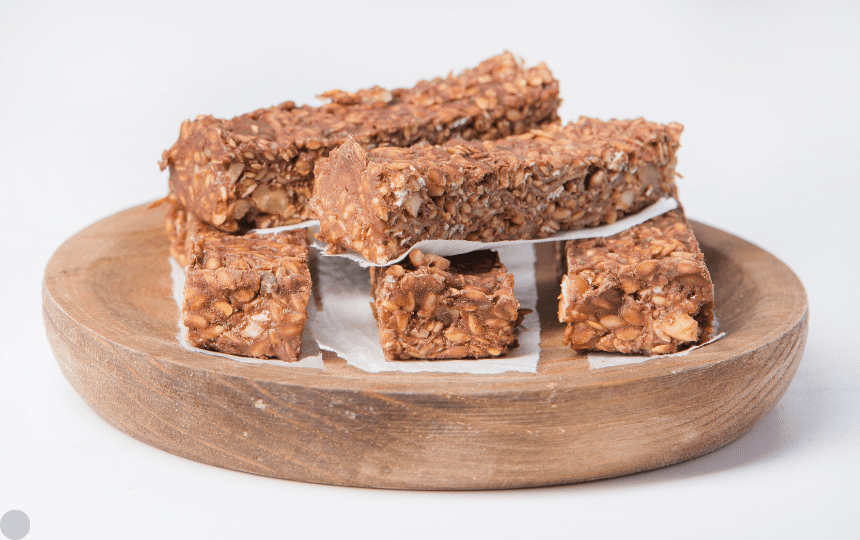
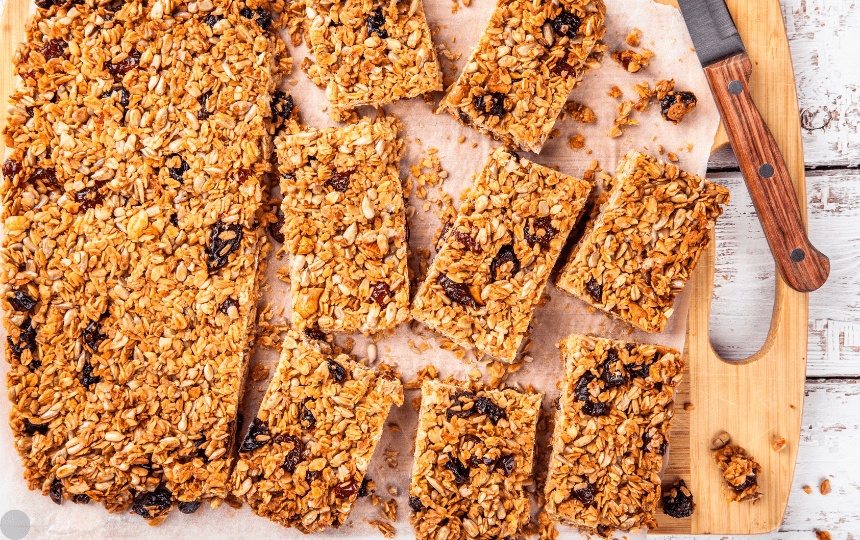
In today’s fast-paced health and fitness arena, protein bars have emerged as a popular choice for individuals seeking convenient nutrition. These bars promise a quick protein boost wrapped in enticing flavors like chocolate chip cookie dough and peanut butter crunch. However, it’s vital to examine their ingredients and nutritional content closely. So, what truly constitutes your protein bar? This article examines the common ingredients found in protein bars, their health implications, and how to select the ideal bar for your dietary requirements.
The Foundation of Protein Bars: Protein Sources
Whey Protein: Isolate and Concentrate
Whey protein stands as a favored ingredient in many protein bars, sourced from milk during cheese production. The two primary forms are whey protein isolate and whey protein concentrate. Isolate boasts a higher protein content (typically over 90%) with reduced fat and lactose, making it suitable for those with lactose sensitivities. Conversely, concentrate contains around 70-80% protein and retains more nutrients present in whey.
Plant-Based Proteins
For individuals adhering to vegan or vegetarian diets, plant-based protein bars utilize sources such as pea protein, brown rice protein, and hemp protein. These proteins are generally hypoallergenic and easily digestible, although they may lack a complete amino acid profile compared to animal-based proteins. Many manufacturers combine various plant proteins to create a balanced amino acid profile.
Soy Protein
Soy protein frequently appears in bars aimed at vegetarians. It is a complete protein, containing all nine essential amino acids. However, soy can be contentious due to concerns regarding GMOs and potential hormonal effects. Choosing non-GMO soy protein can help alleviate some of these worries.
Sweeteners: Navigating Natural and Artificial Options
Sugar Alcohols
Many protein bars incorporate sugar alcohols like erythritol, maltitol, and xylitol to achieve sweetness without excessive calories. While they can reduce caloric intake, consuming them in large quantities may lead to digestive discomfort, including bloating and diarrhea.
Artificial Sweeteners
Ingredients such as sucralose and aspartame sweeten protein bars without contributing calories. Although approved by health authorities, these sweeteners often face criticism for potential health risks, including their effects on gut health and metabolism.
Natural Sweeteners
Natural sweeteners like honey, maple syrup, and stevia are preferred for their less processed nature. While they still add calories, they provide additional nutrients and a lower glycemic index, making them a healthier choice for sweetening protein bars.
Fats: Distinguishing Between Healthy and Unhealthy
Healthy Fats
Healthy fats derived from nuts, seeds, and oils such as coconut or avocado oil are commonly found in protein bars. These fats play a critical role in promoting satiety and providing sustained energy. Omega-3 and omega-6 fatty acids, found in flaxseeds and chia seeds, are especially beneficial for heart health and reducing inflammation.
Unhealthy Fats
Some protein bars may contain trans fats and hydrogenated oils, which are harmful to heart health. It is essential to scrutinize labels and avoid bars that list partially hydrogenated oils among their ingredients.