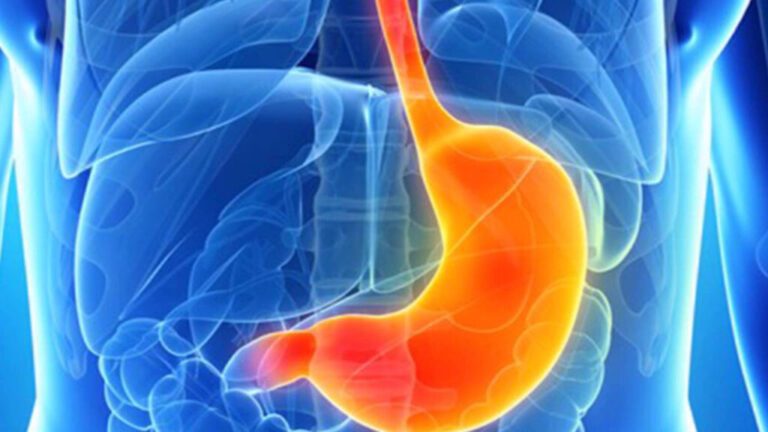
Your microbiome is a vital component of your overall health, influencing various bodily functions including digestion, immune response, and even mental well-being. In this article, we will explore ten practical strategies to enhance the health of your microbiome. By adopting these methods, you can improve the diversity and balance of your gut bacteria, leading to better health and vitality. Whether you’re addressing specific health concerns or aiming to maintain a robust microbiome, these strategies offer valuable insights and actionable steps.
Dietary Adjustments
Increase Your Fiber Intake
Boosting your fiber intake is one of the most effective ways to support your microbiome. Fiber acts as nourishment for the beneficial bacteria in your gut, allowing them to flourish. Incorporate more fruits, vegetables, whole grains, and legumes into your meals. These foods provide both soluble and insoluble fibers, which are essential for maintaining a healthy gut flora.
Add Fermented Foods to Your Diet
Fermented foods are another excellent way to promote gut health. Items like yogurt, kefir, sauerkraut, and kimchi are rich in probiotics, which help populate your gut with beneficial bacteria. Including a variety of these foods in your diet can enhance the diversity of your gut microbiome, improving digestion and immune function.
Probiotic Supplements
Select a High-Quality Probiotic
If you’re considering probiotics, choose high-quality supplements that feature a diverse range of bacterial strains. Look for products backed by scientific research and produced by reputable manufacturers. Selecting a probiotic that targets your specific health needs can provide additional benefits.

Consult a Healthcare Professional
Before starting any new supplement regimen, it’s wise to consult a healthcare professional. They can offer personalized advice based on your health status and help you choose the right probiotic. A healthcare provider can also identify any underlying conditions that may affect your choice of supplements.
Limit Antibiotic Use
Use Antibiotics Judiciously
While antibiotics can be necessary for treating infections, overuse can harm your microbiome. These medications eliminate both harmful and beneficial bacteria, disrupting the delicate balance of your gut. Use antibiotics only when prescribed by a healthcare professional, and always complete the full course as directed.
Consider Natural Alternatives
For minor infections, explore natural remedies before resorting to antibiotics. Certain herbal treatments and essential oils possess antimicrobial properties that may aid in fighting infections. Always consult a healthcare professional before trying natural alternatives to ensure they are safe and effective for your condition.

Manage Stress Effectively
Incorporate Stress-Relief Practices
Chronic stress negatively impacts your microbiome by disrupting the balance of gut bacteria. Incorporate stress-relief techniques into your daily routine, such as deep breathing, meditation, yoga, or engaging in enjoyable hobbies. Prioritizing self-care can promote a healthier microbiome and improve your overall well-being.
Prioritize Quality Sleep
Good sleep is vital for a healthy microbiome. Insufficient or poor-quality sleep can increase inflammation and disrupt gut bacteria. Aim for seven to eight hours of restful sleep each night. Establish a calming bedtime routine, create a sleep-friendly environment, and limit screen time before bed to enhance sleep quality.
Engage in Regular Physical Activity
Choose Enjoyable Activities
Regular exercise positively influences the diversity and composition of your gut microbiome. Engage in physical activities that you enjoy, whether it’s walking, dancing, swimming, or team sports. Making exercise a fun part of your routine can improve your fitness and support your gut health.
Focus on Moderate-Intensity Workouts
Moderate-intensity exercises, such as brisk walking or jogging, are particularly beneficial for your microbiome. These activities elevate your heart rate and breathing while still allowing for conversation, stimulating beneficial compounds in the gut. Always listen to your body and choose activities that suit your fitness level.
Stay Hydrated
Drink Plenty of Water
Hydration is essential for maintaining a healthy microbiome. Water helps transport nutrients, eliminate waste, and maintain gut bacteria balance. Aim for at least eight glasses of water daily, or more if you’re active or in a hot climate. Pay attention to your body’s thirst signals and drink regularly throughout the day.
Limit Alcohol Consumption
While moderate alcohol consumption, such as red wine, may have some health benefits, excessive intake can harm your microbiome. Alcohol disrupts gut bacteria balance and can lead to inflammation. If you choose to drink, do so in moderation and consider healthier options like low-alcohol or alcohol-free beverages.

Reduce Sugar and Processed Foods
Examine Food Labels Carefully
Limiting sugar and processed foods is crucial for supporting your microbiome. These foods can negatively affect gut bacteria diversity. When shopping, read labels carefully and avoid products with added sugars, artificial sweeteners, and preservatives. Instead, focus on whole foods that are minimally processed.
Emphasize Whole Foods
Prioritize whole foods in your diet to promote a healthy microbiome. These foods are rich in nutrients and fiber, which support digestion and beneficial bacteria growth. Incorporate a variety of fruits, vegetables, whole grains, nuts, seeds, and lean proteins into your meals for optimal gut health.
Incorporate Prebiotic Foods
Consume Foods Rich in Prebiotic Fibers
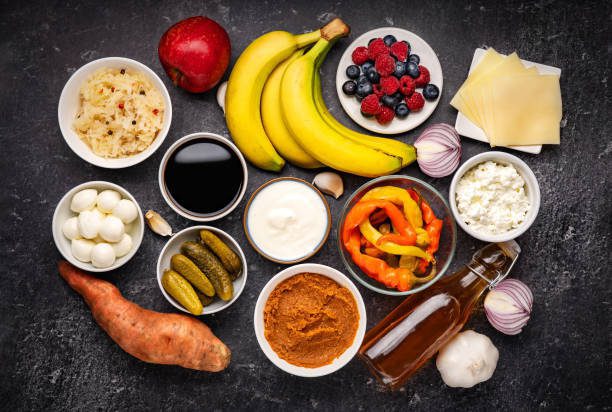
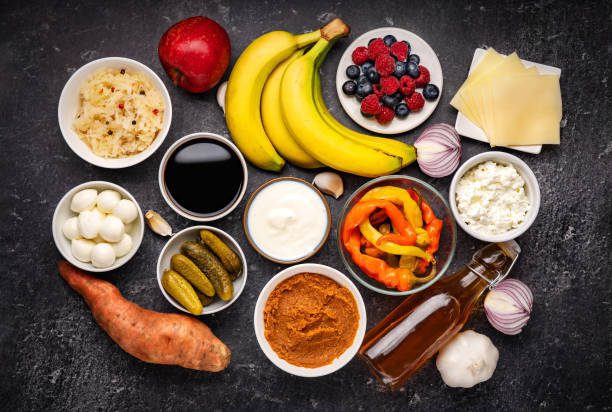
Prebiotic fibers are non-digestible carbohydrates that nourish beneficial gut bacteria. Including prebiotic-rich foods in your diet supports their growth. Excellent sources of prebiotic fibers include onions, garlic, leeks, asparagus, bananas, oats, and flaxseeds. Aim to incorporate a variety of these foods into your meals.
Encourage Dietary Diversity
Introducing a variety of foods into your diet enhances your microbiome’s resilience. Eating a wide range of foods exposes your gut to different bacteria and nutrients. Experiment with new fruits, vegetables, whole grains, and plant-based proteins. Embrace culinary diversity to keep your meals exciting and your microbiome thriving.
Maintain Good Hygiene Practices
Avoid Overusing Antibacterial Products
While hygiene is important, excessive use of antibacterial products can disrupt the balance of bacteria on your skin and in your gut. Antibacterial soaps and sanitizers can harm both harmful and beneficial bacteria. Opt for regular soap and water for handwashing, and choose natural cleaning products that are gentle on your skin and the environment.
Take Precautions in Public Settings
In public spaces, practice good hygiene to protect your microbiome. Wash your hands frequently, especially before meals or touching your face, to reduce harmful bacteria exposure. Avoid touching your face unnecessarily and consider carrying hand sanitizer with at least 60% alcohol for times when handwashing isn’t possible.
Spend Time in Nature
Increase Your Exposure to Natural Environments
Spending time outdoors can positively impact your microbiome. Natural environments, such as parks and forests, expose you to a variety of beneficial bacteria found in soil and plants. Aim to spend time outdoors regularly, whether through hiking, gardening, or simply enjoying green spaces.

Engage in Gardening or Hiking
Gardening and hiking offer numerous benefits for your microbiome. Gardening allows you to interact with soil, introducing beneficial bacteria to your skin and possibly your gut. Growing your own produce ensures access to fresh, organic foods that support gut health. Hiking also enhances your exposure to diverse bacteria, promoting a resilient microbiome.
By implementing these ten strategies, you can effectively strengthen your microbiome and support your overall health. From dietary adjustments and probiotic supplementation to stress management and outdoor activities, each approach contributes to a balanced gut flora. Consulting with a healthcare professional can provide tailored advice to meet your specific health needs. Prioritizing the health of your microbiome can lead to enhanced well-being and a thriving digestive system.