In our busy lives, maintaining a healthy lifestyle can seem overwhelming. However, prioritizing your gut health is vital for overall well-being. A balanced gut not only aids in digestion but also significantly influences your immune system and mental wellness. This article presents 16 straightforward strategies you can seamlessly integrate into your daily routine to enhance your gut health. These practical tips will empower you to make beneficial changes and enjoy the rewards of a flourishing gut every day.
Diet and Nutrition
Incorporate Fiber-Rich Foods
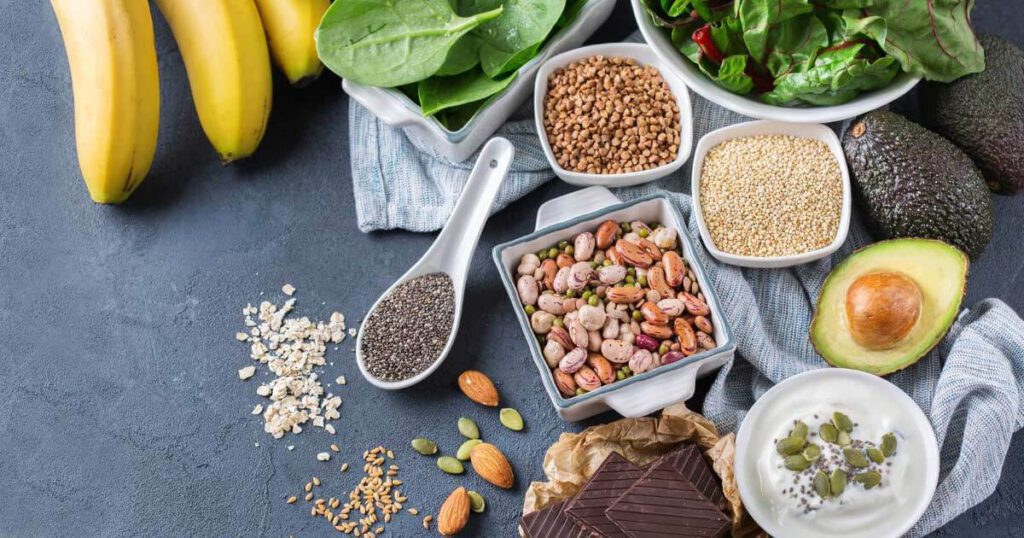
Including fiber-rich foods in your diet is crucial for a healthy gut. Fiber serves as a prebiotic, nourishing the beneficial bacteria in your gut. It regulates bowel movements and helps prevent constipation, ensuring your digestive system operates smoothly. Excellent sources of fiber include fruits, vegetables, whole grains, legumes, and nuts. By adding these foods to your meals, you can foster a healthy gut and enhance your digestive health.
Consume Fermented Foods
Fermented foods are abundant in probiotics, the beneficial bacteria that promote a diverse and balanced gut microbiome. These foods undergo fermentation, creating an environment conducive to the growth of live bacteria and yeast. Examples include yogurt, kefir, sauerkraut, kimchi, and kombucha. Incorporating fermented foods into your diet provides a consistent supply of probiotics, nurturing a healthy gut environment.
Include Prebiotic-Rich Foods
Prebiotics, a type of dietary fiber, serve as food for the beneficial bacteria in your gut. Consuming prebiotic-rich foods allows these bacteria to thrive and perform their essential functions. Foods high in prebiotics include onions, garlic, leeks, asparagus, bananas, and whole grains. Adding these foods to your meals can support the growth of beneficial gut bacteria, leading to improved digestion and overall gut health.
Consider Probiotic Supplements
Besides adding fermented and prebiotic-rich foods to your diet, you might also think about taking probiotic supplements. These supplements contain live bacterial strains that can enhance your gut health. When selecting a probiotic, choose one that offers various strains and a high number of colony-forming units (CFUs). Always consult with your healthcare provider before starting any new supplements to ensure they are suitable for your specific needs. Probiotic supplements can be a valuable addition, especially if you aim to address specific digestive concerns.

Hydration
Drink Plenty of Water
Staying hydrated is vital for maintaining a healthy gut. Sufficient water intake aids in the smooth functioning of the digestive system by facilitating nutrient absorption and transportation. It also helps prevent constipation and supports the health of the gut lining. Aim to drink at least eight glasses of water daily, adjusting for your activity level and climate. Listen to your body’s thirst signals and hydrate throughout the day.
Incorporate Hydrating Foods
In addition to drinking water, you can boost your hydration by including hydrating foods in your diet. Foods with high water content, such as fruits and vegetables, not only hydrate but also provide essential nutrients and fiber. Examples of hydrating foods include watermelon, cucumbers, strawberries, oranges, and lettuce. Including these foods in your meals and snacks will help keep you hydrated and further benefit your gut health.
Stress Management
Practice Stress-Reducing Techniques
Stress can significantly affect your gut health, as the brain and gut are interconnected through the gut-brain axis. Chronic stress can disrupt the balance of gut bacteria, leading to digestive problems such as bloating, diarrhea, or constipation. To manage stress and support gut health, incorporate stress-reducing techniques into your daily routine. Practices like deep breathing exercises, meditation, yoga, or engaging in hobbies can help you relax and positively impact your gut health.
Prioritize Quality Sleep
Getting enough sleep is essential for overall health, including gut health. Insufficient sleep has been linked to imbalances in gut bacteria and an increased risk of digestive disorders. Aim for seven to eight hours of quality sleep each night. Establish a regular sleep schedule, create a sleep-friendly environment, and practice good sleep hygiene to ensure you receive the restorative sleep necessary for optimal gut health.
Exercise Regularly
Engage in Physical Activity
Regular physical activity benefits not only your overall health but also your gut health. Exercise stimulates muscle contractions in your digestive tract, helping food move through your system more efficiently. It can also reduce the risk of constipation and promote regular bowel movements. Aim for at least 30 minutes of moderate-intensity exercise most days of the week, such as walking, jogging, cycling, or swimming. Choose activities you enjoy to make them a regular part of your routine and support your gut health.
Participate in Gut-Friendly Exercises
Certain exercises can specifically benefit your gut health. Activities involving twisting and bending, like yoga or Pilates, can massage and stimulate digestive organs, enhancing their function. Exercises targeting abdominal muscles, such as planks or core workouts, strengthen the muscles surrounding the digestive tract, aiding digestion. Incorporating these gut-friendly exercises into your routine can further improve your gut health.
Limit Processed Foods
Reduce Processed Food Intake
Processed foods are often high in unhealthy fats, added sugars, and artificial additives, which can harm your gut health. These foods typically lack fiber, and their consumption has been linked to imbalances in gut bacteria and increased gut inflammation. To promote a healthy gut, limit processed foods and focus on whole, unprocessed options. Prioritize fresh fruits and vegetables, lean proteins, whole grains, and healthy fats as the foundation of your diet for optimal gut health.
Read Food Labels Carefully
When reducing processed food intake, reading food labels is essential. Pay close attention to ingredient lists and avoid foods with added sugars, artificial ingredients, and unhealthy fats. Opt for minimally processed products that contain whole food ingredients. Being mindful of food labels helps you make informed choices and supports your efforts in maintaining a healthy gut.
Be Aware of Food Sensitivities
Identify and Eliminate Trigger Foods
Food sensitivities can disrupt the balance of gut bacteria and cause digestive discomfort. If you suspect certain foods may be causing issues, identifying and eliminating those trigger foods from your diet is essential. Common food sensitivities include gluten, dairy, soy, and specific fruits and nuts. Keep a food journal to track symptoms after consuming certain foods, and consider consulting a healthcare professional or registered dietitian to help identify and eliminate trigger foods from your diet.
Seek Professional Guidance
If you experience chronic digestive issues or suspect food sensitivities, seeking professional guidance is crucial. A healthcare professional or registered dietitian can assist in identifying trigger foods, creating a tailored diet plan, and addressing any underlying gut health concerns. They provide personalized advice and support, ensuring you take the necessary steps to maintain a healthy gut and overall well-being.
Establish a Consistent Sleep Routine
Maintain a Regular Sleep Schedule
To support optimal gut health, establishing a regular sleep schedule is vital. Your body follows a natural circadian rhythm, and irregular sleep patterns can disrupt this rhythm, affecting various processes, including digestion. Going to bed and waking up at consistent times helps regulate your body’s internal clock, promoting proper digestion and allowing your gut to function optimally. Strive to keep a consistent sleep schedule, even on weekends, to bolster your gut health.
Create a Sleep-Friendly Environment
Crafting a sleep-friendly environment can significantly enhance your sleep quality, positively impacting your gut health. Ensure your bedroom is dark, quiet, and at a comfortable temperature. Consider removing electronic devices from your bedroom to reduce exposure to blue light, which can interfere with sleep. Establish a calming bedtime routine, such as reading or taking a warm bath, to signal to your body that it’s time to wind down. These measures can help create an optimal sleep environment, allowing you to enjoy restful sleep crucial for a healthy gut.
Minimize Antibiotic Use
Use Antibiotics Wisely
While antibiotics can be life-saving, they can also disrupt the balance of gut bacteria. Antibiotics eliminate both harmful and beneficial bacteria, potentially leading to gut imbalances and digestive issues. To minimize the impact on your gut health, use antibiotics responsibly. Follow your healthcare provider’s instructions, complete the prescribed course, and avoid unnecessary or excessive use. If you’re concerned about antibiotics’ effects on your gut health, discuss them with your healthcare provider before starting any new treatment.
Consider Alternative Remedies
In some cases, exploring alternative remedies may support gut health without relying on antibiotics. Certain herbal remedies and natural supplements, like garlic, oregano oil, and berberine, possess antimicrobial properties and can help maintain a healthy balance of gut bacteria. However, consult with a healthcare professional or naturopathic doctor before incorporating these remedies, as they may interact with other medications or have specific contraindications.
Reduce Stress on the Digestive System
Eat in a Relaxed Environment
Your mindset while eating significantly influences digestion and gut health. Eating in a calm environment promotes proper digestion by allowing your body to focus on breaking down food and absorbing nutrients effectively. Avoid eating on-the-go or in stressful situations whenever possible. Instead, create a peaceful atmosphere during meals. Sit down at a table, chew your food slowly and mindfully, and take breaks between bites. This mindful approach to eating reduces stress on your digestive system and supports healthy gut function.
Chew Food Slowly and Thoroughly
Effective digestion begins in the mouth, making thorough chewing an essential part of the process. Chewing breaks down food into smaller particles, facilitating easier digestion and better nutrient absorption in the gut. Take the time to chew each bite thoroughly, aiming for 20 to 30 chews per mouthful. Slowing down and being mindful of your chewing promotes optimal digestion, alleviates the burden on your digestive system, and supports a healthy gut.
Incorporate Gut-Friendly Herbs and Spices
Utilize Turmeric in Your Cooking
Turmeric is a potent spice known for its medicinal properties. It contains curcumin, an active compound with anti-inflammatory and antioxidant effects. Gut inflammation can lead to digestive issues and disrupt bacterial balance. By adding turmeric to your cooking, you can help reduce gut inflammation and promote overall gut health. Use turmeric in dishes like curries, stir-fries, soups, or smoothies to reap its gut-friendly benefits.
Enjoy Ginger or Peppermint Tea
Both ginger and peppermint have traditionally been used to soothe the digestive system and alleviate symptoms like bloating, gas, and indigestion. Ginger possesses anti-inflammatory properties that enhance digestion, while peppermint relaxes muscles and eases digestive discomfort. Sipping ginger or peppermint tea after meals can support healthy digestion and promote a calm gut. Brew a cup with freshly grated ginger or peppermint leaves in hot water for soothing effects.
By integrating these simple strategies into your daily routine, you can improve your gut health and promote optimal digestion. Consistency is vital, and it may take time to notice significant changes. Be patient, listen to your body, and make adjustments as needed. Taking proactive steps to support your gut health can lead to enhanced overall well-being and a happier, healthier gut.