Maintaining optimal gut health is vital for overall wellness. Your gut influences digestion, immunity, and even mental well-being. Here are eight effective strategies to reset your gut and enhance your health.
1. Embrace a Nutritious Diet
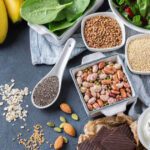
A nutritious diet filled with fiber, lean proteins, and healthy fats is essential for gut health. Incorporate foods like vegetables, fruits, whole grains, and legumes to provide vital nutrients and promote the growth of beneficial bacteria. Fiber plays a crucial role as it acts as a prebiotic, nourishing the good bacteria in your gut. Consider including the following fiber-rich foods in your diet:
- Vegetables: Broccoli, spinach, kale
- Fruits: Apples, berries, bananas
- Whole Grains: Oats, quinoa, brown rice
- Legumes: Beans, lentils, chickpeas
Avoid processed foods, refined sugars, and artificial additives that can upset the gut microbiome and encourage harmful bacteria. Focus on consuming natural, whole foods that are minimally processed.

2. Add Probiotics and Prebiotics to Your Diet
Probiotics are live microorganisms that provide health benefits when consumed in sufficient amounts. You can find probiotics in fermented foods such as:
- Yogurt: Choose yogurt with live and active cultures.
- Kefir: A probiotic-rich fermented milk drink.
- Sauerkraut and Kimchi: Fermented vegetables packed with probiotics.
- Miso and Tempeh: Fermented soy products that support gut health.
Prebiotics are non-digestible fibers that nourish beneficial gut bacteria. Foods rich in prebiotics include:
- Garlic and Onions: Common staples that support gut health.
- Bananas: A tasty prebiotic source.
- Asparagus: A fiber-rich vegetable that promotes gut health.
Combining probiotics and prebiotics helps maintain a healthy balance of gut bacteria, which is vital for digestive health and overall wellness.

3. Prioritize Hydration
Staying hydrated is crucial for digestion and overall gut health. Water dissolves nutrients, aiding in their absorption and waste elimination. Proper hydration supports the intestinal mucosal lining and the balance of beneficial bacteria in your gut. Aim for at least eight glasses of water daily, and limit excessive caffeine and alcohol intake, which can lead to dehydration. Herbal teas and water-rich fruits like cucumbers and watermelons are excellent options for staying hydrated.
4. Manage Stress Effectively
Chronic stress can adversely affect gut health, causing issues like irritable bowel syndrome (IBS) and inflammation. The gut-brain axis connects emotional and cognitive centers of the brain with intestinal functions. To manage stress:
- Practice Mindfulness: Techniques like meditation, yoga, and deep breathing can help lower stress levels.
- Engage in Physical Activity: Regular exercise releases endorphins, combating stress.
- Maintain Social Connections: Strong relationships and social interactions can significantly alleviate stress and enhance mental health.
5. Ensure Adequate Sleep
Quality sleep is essential for the body’s repair processes, including those in the gut. Insufficient sleep can disrupt the gut microbiome and increase inflammation, potentially leading to conditions like obesity and metabolic syndrome. To improve your sleep quality:
- Establish a Routine: Go to bed and wake up at the same time every day.
- Create a Restful Environment: Ensure your bedroom is dark, quiet, and cool.
- Limit Screen Time: Avoid screens at least an hour before bedtime to enhance sleep quality.
Aim for 7-9 hours of restorative sleep each night to support your gut health and overall well-being.

6. Use Antibiotics Sparingly
While antibiotics are crucial for treating bacterial infections, overuse can disrupt the balance of beneficial and harmful bacteria in your gut. This imbalance, known as dysbiosis, can lead to digestive problems, weakened immunity, and increased infection susceptibility. Only use antibiotics when prescribed by a healthcare professional and follow their instructions to help preserve your gut microbiome. Additionally, consider taking probiotics during and after antibiotic treatment to help restore gut bacteria balance.
7. Engage in Regular Exercise
Regular physical activity fosters gut health by increasing the diversity of gut bacteria and reducing inflammation. Exercise promotes the growth of beneficial gut bacteria, improving digestion and strengthening the immune system. Types of exercises that benefit gut health include:
- Aerobic Exercises: Walking, running, cycling
- Strength Training: Weightlifting, resistance exercises
- Mind-Body Exercises: Yoga, Pilates
Incorporate at least 150 minutes of moderate exercise or 75 minutes of vigorous exercise into your weekly routine for optimal benefits.
8. Avoid Smoking and Limit Alcohol Consumption
Smoking and excessive alcohol intake can damage your gut lining and disrupt the microbiome. Smoking is linked to increased inflammation and a higher risk of gastrointestinal diseases. Excessive alcohol consumption can lead to an imbalance in gut bacteria and harm the intestinal lining, contributing to conditions like leaky gut syndrome. Quitting smoking and moderating alcohol intake can significantly enhance your gut health and lower the risk of related diseases.

Resetting your gut health requires a holistic approach that includes diet, lifestyle, and mindful practices. By integrating these eight tips into your daily routine, you can cultivate a healthier gut, leading to improved digestion, immunity, and overall well-being. A healthy gut forms the foundation of a healthy life.
By implementing these strategies, you not only reset your gut but also pave the way for better long-term health outcomes. Prioritize your gut health today and enjoy the rewards of a balanced and vibrant life.