Gut health has gained significant attention in the wellness community, as individuals increasingly acknowledge the vital role a healthy digestive system plays in overall health. A balanced gut microbiome enhances digestion, strengthens the immune system, and can even impact mood and mental well-being. By integrating gut-healing ingredients into your meals, you can effectively support and sustain a healthy digestive system. This article will highlight some of the most beneficial ingredients for gut health and offer practical tips for incorporating them into your daily diet.
The Significance of Gut Health
Your gut houses trillions of microorganisms, including bacteria, viruses, and fungi, collectively referred to as the gut microbiome. This intricate ecosystem is essential for food digestion, nutrient production, and protection against harmful pathogens. An imbalance in this microbiome, known as dysbiosis, can result in various health challenges, such as irritable bowel syndrome (IBS), inflammatory bowel disease (IBD), and even mental health issues like anxiety and depression.
Top Ingredients for Gut Healing
1. Probiotics
– Sources: Yogurt, kefir, sauerkraut, kimchi, miso, and kombucha.
– Benefits: Probiotics are live beneficial bacteria that help sustain a healthy gut microbiome. They enhance digestion, bolster immune function, and alleviate symptoms of IBS and other digestive disorders.

2. Prebiotics
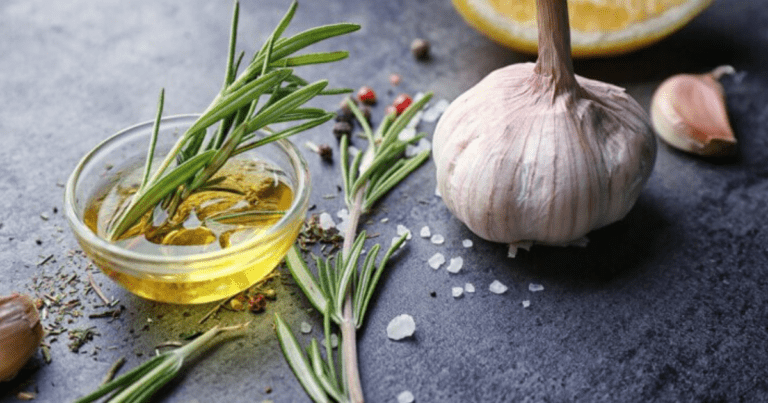
– Sources: Garlic, onions, leeks, asparagus, bananas, and chicory root.
– Benefits: Prebiotics are non-digestible fibers that nourish beneficial gut bacteria. They promote the growth of probiotics and improve overall gut health, leading to enhanced digestion and a more robust immune system.
3. Fermented Foods
– Sources: Sauerkraut, kimchi, tempeh, natto, and pickles.

– Benefits: Fermented foods are abundant in probiotics and enzymes that facilitate digestion. They help restore balance to the gut microbiome, improve nutrient absorption, and support overall digestive wellness.
4. Bone Broth
– Sources: Homemade or store-bought bone broth made from chicken, beef, or fish bones.
– Benefits: Bone broth is rich in collagen, gelatin, and amino acids like glutamine, which aid in repairing and fortifying the gut lining. It also contains essential minerals that promote overall health.
5. Ginger

– Sources: Fresh ginger root, ginger tea, ginger supplements.
– Benefits: Ginger possesses anti-inflammatory and antioxidant properties that can soothe the digestive tract. It helps alleviate nausea, enhances digestion, and mitigates symptoms of gastrointestinal distress.
6. Turmeric
– Sources: Fresh turmeric root, turmeric powder, turmeric supplements.
– Benefits: Turmeric contains curcumin, a potent anti-inflammatory compound. It can lessen inflammation in the gut, improve digestion, and support the healing of the gut lining.
7. Leafy Greens
– Sources: Spinach, kale, Swiss chard, and collard greens.
– Benefits: Leafy greens are packed with fiber, vitamins, and minerals that promote gut health. They nourish beneficial bacteria, support digestion, and help reduce inflammation.
8. Omega-3 Fatty Acids
– Sources: Fatty fish (salmon, mackerel, sardines), flaxseeds, chia seeds, and walnuts.
– Benefits: Omega-3 fatty acids possess anti-inflammatory properties that can alleviate gut inflammation and promote a healthy gut lining.
9. Peppermint
– Sources: Fresh peppermint leaves, peppermint tea, peppermint oil supplements.
– Benefits: Peppermint has antispasmodic properties that can relax the muscles of the gastrointestinal tract. It aids in relieving symptoms of IBS, such as bloating, gas, and abdominal discomfort.
10. Aloe Vera
– Sources: Fresh aloe vera gel, aloe vera juice, aloe vera supplements.
– Benefits: Aloe vera has anti-inflammatory and soothing effects that can assist in healing the gut lining. It supports digestion and alleviates symptoms of gastrointestinal disorders.
Incorporating Gut-Healing Ingredients into Your Diet
1. Begin Your Day with Probiotic-Rich Breakfast
– Enjoy a bowl of yogurt or kefir topped with fresh fruit and a sprinkle of flaxseeds or chia seeds.
2. Add Fermented Foods to Your Meals
– Include a serving of sauerkraut or kimchi with your lunch or dinner. Consider using miso in soups and sauces for added flavor and gut health advantages.
3. Sip on Bone Broth
– Make bone broth a regular part of your diet by consuming it as a warm beverage or using it as a base for soups and stews.
4. Spice Up Your Dishes with Ginger and Turmeric
– Incorporate fresh ginger and turmeric into smoothies, teas, and stir-fries. Use turmeric powder to season roasted vegetables or rice dishes.
5. Include Leafy Greens Daily
– Add a variety of leafy greens to your salads, smoothies, and side dishes. Aim for at least one serving of leafy greens in each meal.
6. Snack on Omega-3 Rich Foods
– Keep walnuts, flaxseeds, and chia seeds readily available for quick, nutritious snacks. Aim to include fatty fish in your meals at least twice a week.
7. Enjoy Peppermint Tea for Relaxation
– Savor a cup of peppermint tea after meals to soothe your digestive system and relieve discomfort.
8. Utilize Aloe Vera for Digestive Support
– Drink aloe vera juice or incorporate fresh aloe vera gel into smoothies for its gut-healing properties.
Maintaining a healthy gut is vital for overall wellness, and integrating gut-healing ingredients into your diet can significantly impact your digestive health. By consuming probiotics, prebiotics, fermented foods, bone broth, and other beneficial ingredients, you can support a balanced gut microbiome, reduce inflammation, and improve digestion. Start incorporating these powerful ingredients into your daily routine and experience the benefits of a healthier gut.
For optimal gut health, stay hydrated, manage stress, and engage in regular physical activity. A holistic approach to wellness, combined with a gut-friendly diet, will help you achieve and maintain a healthy digestive system.