Your gut serves as a dynamic ecosystem, hosting a diverse array of microbes that significantly influence your health. This article will guide you through the intricate functions of gut microbes, the gut-brain connection, and essential factors that contribute to gut health.
Recognizing signs of imbalance, implementing practical strategies for maintaining gut health, and understanding the roles of prebiotics and probiotics are vital for enhancing your well-being.
Understanding the Gut Microbiome
The gut microbiome represents a complex community of microorganisms inhabiting your digestive system. This intricate ecosystem, characterized by its diversity, plays a pivotal role in supporting your overall health. Comprising trillions of bacteria, viruses, fungi, and other microbes, the gut microbiome interacts with each other and with your body in numerous ways.
A key function of the gut microbiome is its collaboration with the gut immune system. Your gut possesses its immune defenses, which work alongside the diverse microbial community to maintain a delicate balance. These microorganisms help train your immune system, ensuring it remains vigilant against harmful pathogens while preventing overreactions to harmless substances.
Diversity within your microbiome is essential for optimal gut function. A rich and varied microbiome promotes better digestion, nutrient absorption, and even mental health. Different bacteria perform specific roles, such as breaking down fibers, producing vitamins, and safeguarding the gut lining.

The Vital Functions of Gut Microbes
Investigating the roles of gut microbes reveals their critical contributions to your overall health and wellness. Gut bacteria are instrumental in supporting your digestive system, aiding in food breakdown and nutrient absorption. Additionally, these microbes protect your gut lining, preventing harmful substances from entering your bloodstream. They also play a crucial role in regulating your immune system, helping to ward off infections and diseases. Maintaining a healthy balance of microbes in your gut is essential for the proper functioning of these processes.
Beyond digestion and immune support, gut bacteria produce essential vitamins, including vitamin K and certain B vitamins, necessary for various bodily functions. Furthermore, these microbes synthesize short-chain fatty acids, which provide energy for the cells lining your colon and have been linked to numerous health benefits.
The interplay between gut bacteria and your overall health underscores the importance of nurturing a diverse and balanced gut microbiome. This microbial community not only affects your physical well-being but also impacts your mental health through the gut-brain connection.
The Gut-Brain Connection Explained
Gut bacteria communicate bidirectionally with your brain, influencing both physical and mental health. Understanding this connection reveals the profound impact that these microbes have on your overall well-being. Here’s why this relationship is significant:
1. Gut Health and Mental Well-Being: The state of your gut directly influences your mental health. An imbalance in gut bacteria can lead to inflammation, which is associated with conditions like depression and anxiety. Caring for your gut through a balanced diet and probiotics can positively affect your mood and cognitive function.

2. Mood Regulation by Gut Bacteria: The intricate network of gut bacteria plays a vital role in regulating your mood. These microbes produce neurotransmitters like serotonin, often referred to as the “happy hormone,” directly affecting your emotional state. By maintaining a healthy gut microbiome, you support the production of these essential neurotransmitters, enhancing mood regulation.
3. The Gut-Brain Axis: The communication between your gut and brain extends beyond mood. This axis is critical for various bodily functions, including stress response, appetite regulation, and even memory formation. Nurturing a diverse and balanced gut microbiome is essential for maintaining a harmonious gut-brain connection and overall health.
Key Factors Influencing Gut Health
Several factors significantly influence your gut health. Your diet plays a crucial role in shaping the environment of your gut, while stress levels and sleep quality also have direct effects on gut function.
Diet’s Impact on Gut Health
Your food choices heavily influence the balance of microbes in your digestive system. The nutritional quality of your diet determines whether beneficial microbes thrive or diminish, impacting your overall health.
To support a healthy gut, consider the following:
1. Fiber-Rich Foods: Promote the growth of beneficial bacteria.
2. Probiotics: Introduce good bacteria into your gut.
3. Prebiotics: Feed the existing beneficial microbes.
By making mindful dietary choices, you can nurture your gut and support your overall health.
Stress Management and Gut Health
Managing stress is essential for maintaining a healthy microbial balance in your digestive system. Stress can disrupt gut function, as the hormones released during stressful periods can disturb the natural harmony of your gut microbiota, leading to digestive issues.
Incorporating relaxation techniques into your daily routine, such as deep breathing exercises, meditation, or yoga, can alleviate stress and support optimal gut function. Reducing stress creates a more favorable environment for beneficial gut bacteria, promoting better digestion and overall well-being.
The Role of Sleep in Gut Health
Recognizing that sleep significantly influences gut health is crucial for maintaining a balanced microbiome. Here’s how sleep quality affects your gut:
1. Sleep Quality: Poor sleep can disrupt the balance of gut microbes, leading to digestive issues and inflammation.
2. Circadian Rhythms: Your gut microbiota follows a circadian rhythm, affecting digestion and nutrient absorption.
3. Digestive Repair: During sleep, your gut undergoes vital repair processes essential for maintaining health.
Identifying Signs of an Unhealthy Gut
If you experience digestive issues like bloating or irregular bowel movements, your gut may be signaling distress. Skin problems such as acne or eczema can also indicate an unhealthy gut.
Paying attention to these signals can help you identify and address potential imbalances in your gut microbiome.
Digestive Issues as Indicators
Frequent bloating and irregular bowel movements may signal an imbalance in your gut microbiome. This imbalance can lead to various digestive issues, indicating compromised gut health.
Here are three key signs to monitor:
1. Chronic Gut Inflammation: Persistent inflammation can manifest as abdominal pain or discomfort after eating.
2. Reduced Microbiome Diversity: A decline in beneficial bacteria variety can disrupt gut function, leading to constipation or diarrhea.
3. Nutrient Absorption Issues: An unhealthy gut may struggle to absorb essential nutrients, resulting in deficiencies and symptoms like fatigue.
Skin Problems as Indicators of Gut Issues
Skin conditions like acne and eczema often reflect underlying gut problems. The connection between gut health and skin health highlights how imbalances in the gut microbiome can manifest externally. An unhealthy gut can lead to inflammation and a weakened skin barrier, contributing to skin issues. Addressing these root causes can help restore balance in your gut and improve overall well-being.
Strategies for Achieving Gut Microbiome Balance
To maintain an optimal gut microbiome, prioritize fiber-rich foods in your diet.
Strategies for Gut Microbiome Balance:
1. Diverse Diet: Include a variety of fruits, vegetables, whole grains, legumes, and nuts to provide different types of fiber that nourish various beneficial gut bacteria.
2. Fermented Foods: Incorporate fermented foods like yogurt, kimchi, sauerkraut, and kefir into your diet, as they contain probiotics that help maintain a healthy balance of gut bacteria.
3. Limit Sugar and Processed Foods: Reduce your intake of sugary snacks and processed foods that can negatively impact the diversity and health of your gut microbiome.
Focusing on a diverse and balanced microbiome is key to a healthy gut. By prioritizing fiber-rich foods, incorporating fermented options, and minimizing processed foods, you can support the flourishing of beneficial bacteria in your gut.
The Significance of Prebiotics and Probiotics
Incorporating prebiotics and probiotics into your diet is essential for enhancing the diversity and health of your gut microbiome. This community of microorganisms plays a vital role in maintaining your gut health.
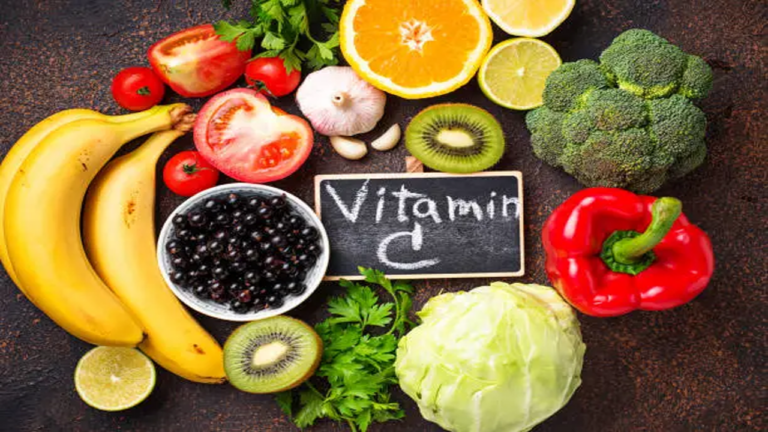
Prebiotics are non-digestible fibers that serve as food for beneficial bacteria, promoting their growth and activity. Foods like bananas, onions, garlic, and whole grains are excellent sources of prebiotics.
Conversely, probiotics are live beneficial bacteria that provide numerous health benefits when consumed in sufficient amounts. They help balance gut flora, support digestion, and enhance the immune system. Yogurt, kefir, sauerkraut, and kimchi are rich in probiotics that can easily be integrated into your daily meals.
By consuming a combination of prebiotics and probiotics, you foster a harmonious environment in your gut that supports the growth of beneficial bacteria while keeping harmful bacteria in check. This balance is crucial for optimal gut health, improving digestion, bolstering the immune system, and even positively affecting your mental health.
Gut-Healing Foods and Supplements
Incorporating gut-healing foods and supplements into your diet can support the restoration and maintenance of gut health. Here are three options to consider:
1. Soothing Teas: Start your day with a calming cup of chamomile tea, known for its anti-inflammatory properties, which can help alleviate digestive issues. Peppermint tea is another excellent choice, easing bloating and supporting digestion.
2. Healing Herbs: Turmeric, with its active compound curcumin, is renowned for its anti-inflammatory and antioxidant effects. Adding turmeric to your meals or taking a daily supplement can help reduce gut inflammation. Ginger is also beneficial, alleviating gastrointestinal distress and promoting gut health.
3. Probiotic-Rich Foods: Foods like yogurt, kefir, sauerkraut, and kimchi are packed with probiotics that support a healthy gut microbiome. Including these fermented foods in your diet can help restore the balance of good bacteria in your gut.
Caring for your gut is essential for your overall health. By nourishing your gut microbiome with a balanced diet, prebiotics, and probiotics, you can enhance your well-being. Listen to your gut, recognize signs of imbalance, and make small adjustments to promote a healthy gut. Your gut is a harmonious community of microbes, playing a vital role in your overall vitality.