Uncover the hidden power that lies within you! Your gut health is the cornerstone of your body’s remarkable abilities, playing a vital role in your overall wellness.
Engage with the captivating realm of gut health and discover its profound impact on your well-being. By grasping the essential functions of your gut, you can harness its potential to influence everything from immunity to weight control.
Join me on this enlightening journey!
The Connection Between Gut Health and Immunity
How does your gut affect the efficiency of your immune system? The answer lies in the complex interplay between your gut microbiota and immune function. Your gut houses trillions of microorganisms, including bacteria, viruses, and fungi, collectively known as the gut microbiota. These tiny inhabitants are crucial for training your immune system to differentiate between beneficial entities and harmful invaders.
When your gut microbiota is well-balanced and diverse, it effectively supports your immune response. It educates your immune system to identify and combat harmful pathogens while tolerating beneficial microorganisms. This equilibrium is vital for a robust immune response and for preventing chronic inflammation and autoimmune disorders.
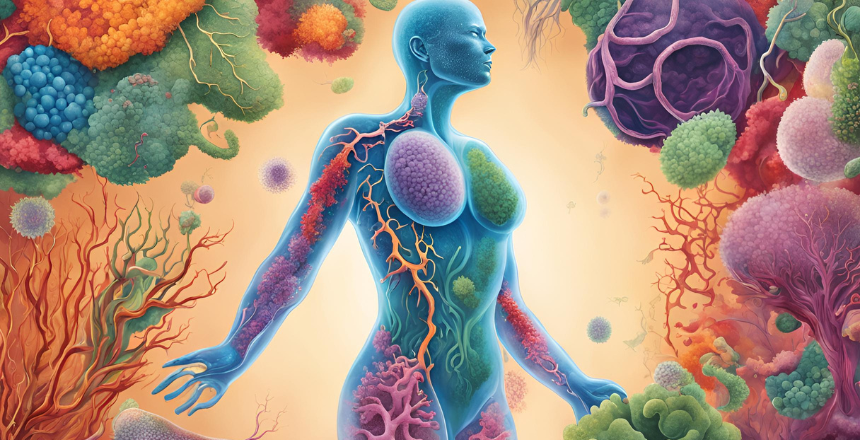
However, imbalances in your gut microbiota can disrupt immune regulation. This condition, known as dysbiosis, can provoke inappropriate immune reactions, leading to inflammation and increased vulnerability to infections. Dysregulation has been associated with a variety of health issues, including allergies, inflammatory bowel diseases, and mental health challenges.
Thus, nurturing a healthy gut through a balanced diet rich in probiotics and prebiotics is essential for bolstering your immune system. By caring for your gut microbiota, you empower your body’s defender—the immune system—to shield you from illness and maintain your health.
Gut Health’s Influence on Mental Well-being
Your gut health significantly affects your mental well-being through the gut-brain axis connection.
The microbiome residing in your gut can greatly influence your mood and overall mental health.
Understanding this connection allows you to take proactive steps to support both your gut and mental health.
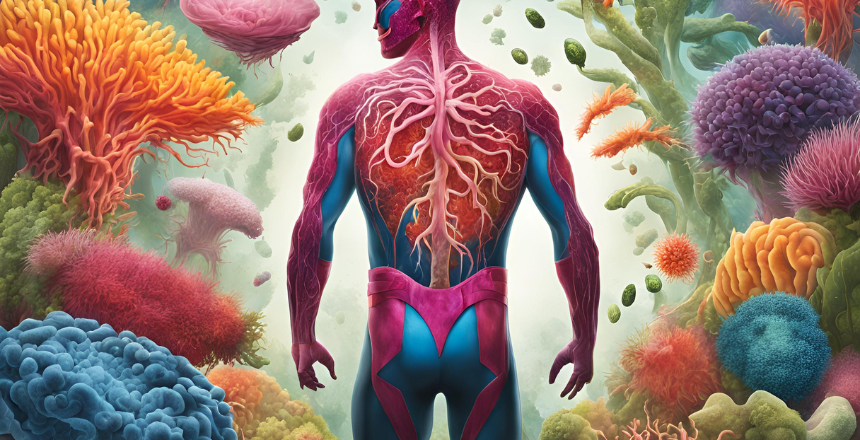
Understanding the Gut-Brain Axis
Nourishing your gut can directly influence your mental health by enhancing communication between your gut and brain. Gut hormones and brain neurotransmitters play pivotal roles in this relationship.
The gut-brain axis is a two-way communication system that allows these organs to exchange information continuously. When your gut is healthy, it can produce beneficial hormones that travel through your bloodstream to the brain, influencing your mood, stress levels, and overall mental state.
Conversely, the production of neurotransmitters in the brain can also be influenced by the condition of your gut. By maintaining a healthy gut, you strengthen the gut-brain axis, positively impacting your mental well-being.
The Microbiome’s Role in Mood Regulation
The influence of your microbiome on your mood and mental well-being is profound. Here’s how your gut microbiome affects you:
1. The gut microbiome and anxiety: The balance of gut bacteria can affect the production of neurotransmitters that help regulate anxiety levels.
2. Digestive health and stress: A healthy gut promotes better digestion, which can alleviate stress and enhance mental well-being.
3. Microbiome diversity and mood stability: A diverse array of gut bacteria correlates with improved mental health outcomes and a more stable mood.
4. Probiotics and mood enhancement: Adding probiotics to your diet can positively influence your gut microbiome, potentially improving your mood and alleviating symptoms of anxiety and depression.
Gut Microbiota’s Role in Inflammation
Your gut bacteria are instrumental in regulating inflammation throughout your body.
Understanding the relationship between inflammation and your gut can yield significant health benefits.
The connection between gut microbiota and inflammation is vital for maintaining overall health.
The Impact of Gut Bacteria
Utilizing the benefits of your gut microbiota can significantly influence inflammation levels in your body. Diversity among gut bacteria is essential for sustaining a healthy gut and a strong immune system.
Consider these four key points:
1. Diversity of gut bacteria: A wide variety of gut bacteria is crucial for overall gut health.
2. Gut health and immunity: The health of your gut is closely linked to the strength of your immune system.
3. Regulation of inflammation: The balance of gut bacteria helps manage inflammation levels within the body.
4. Dietary impact on gut microbiota: Your food choices directly affect your gut bacteria composition, influencing inflammation.
How Inflammation Affects the Gut
Understanding how inflammation interacts with gut microbiota reveals the intricate relationship between these factors. When inflammation disrupts the balance of gut microbiota, it can lead to gastrointestinal issues and affect overall health.
Incorporating gut-healing practices, such as consuming probiotics and fiber-rich foods, can help restore microbial balance and mitigate inflammation. Additionally, adopting inflammation-reducing strategies like regular physical activity and stress management can further enhance gut health by minimizing inflammatory responses.
Health Benefits of a Balanced Gut
Cultivating a balanced gut microbiota can optimize the relationship between gut health and inflammation, unlocking numerous health advantages.
Understanding the impact of gut health can lead to significant benefits across various aspects of your well-being. Here are four key connections:
1. Gut health contributes to improved athletic performance.
2. A healthy gut can positively influence the aging process.
3. A balanced gut microbiota helps regulate inflammation levels in the body.
4. Enhancing gut health can strengthen your immune system and lead to better overall health outcomes.
Gut Health and Nutrient Absorption
Optimizing your gut’s ability to absorb nutrients is vital for your overall health. Efficient nutrient absorption ensures that your body effectively extracts essential vitamins, minerals, and nutrients from the food you eat. The gut barrier function plays a significant role in this process, selectively allowing beneficial substances to pass while keeping harmful compounds at bay.
To improve nutrient absorption, maintaining a diverse and balanced diet is crucial. Foods rich in fiber, prebiotics, and probiotics foster a healthy gut environment, enhancing nutrient uptake. Fiber acts as a prebiotic, feeding beneficial gut bacteria, which in turn boosts nutrient absorption efficiency.
Moreover, staying well-hydrated is essential for supporting gut barrier function. Sufficient water intake maintains the mucus layer in your intestines, which protects and aids in nutrient absorption. Additionally, managing stress through relaxation techniques can positively influence your gut health and, consequently, nutrient absorption.
Gut Health and Skin Health
Improving your gut health can have a positive effect on your skin through the intricate relationship between gut and skin barrier functions. A healthy gut often reflects in your skin’s appearance, leading to a radiant and clear complexion. Here’s how gut health influences your skin:
1. Aging and gut health: A well-functioning gut can slow down skin aging by aiding the absorption of essential nutrients, like antioxidants that combat free radicals.
2. Skin microbiome balance: A healthy gut microbiome can help balance the skin microbiome, reducing inflammation and promoting skin vitality.
3. Nutrient absorption for skin health: Proper nutrient absorption is essential for skin health. Nutrients like vitamins A, C, E, zinc, and omega-3 fatty acids are vital, and a healthy gut ensures their optimal uptake.
4. Reducing inflammation: An unhealthy gut can lead to increased inflammation, affecting the skin. By improving gut health, you can decrease inflammation, potentially alleviating skin conditions such as acne, eczema, or psoriasis.
Gut Health and Weight Management
Enhancing your gut health is crucial for effective weight management. Your gut health influences your metabolism and the efficiency of calorie burning. A balanced gut microbiome helps regulate metabolism, making it easier to maintain a healthy weight. A well-functioning gut supports your body in processing food and converting it into energy rather than storing it as fat.
Moreover, gut health is closely tied to cravings. A diverse and healthy gut microbiome can help reduce cravings for unhealthy foods, sugars, and refined carbohydrates. By nourishing your gut with the right foods, you may decrease urges for snacks that could hinder your weight management efforts. A balanced gut can send signals to your brain indicating satiety, helping you avoid overeating and make healthier food choices.
To further improve your gut health and support your weight management goals, adopting habits that foster a thriving gut microbiome is essential. Transitioning into the following section about ‘strategies for enhancing gut health’ can be transformative in your quest for better overall health.
Strategies for Enhancing Gut Health
To improve your gut health, prioritize a daily intake of fiber-rich foods. Foods like fruits, vegetables, whole grains, and legumes create a healthy gut environment by providing nourishment for beneficial gut bacteria.
Consider incorporating these tips into your daily routine:
1. Include Fermented Foods: Add foods such as yogurt, kefir, kimchi, and sauerkraut to your meals. These fermented options contain probiotics that introduce beneficial bacteria to your system.
2. Explore Supplements: Consider taking probiotic or prebiotic supplements to further enhance your gut health. Probiotic supplements deliver live beneficial bacteria, while prebiotics serve as food for the good bacteria in your gut.
3. Stay Hydrated: Drink plenty of water to promote good gut health. Water aids fiber in dissolving and moving smoothly through the digestive tract, promoting healthy bowel movements.
4. Manage Stress: Chronic stress can adversely affect your gut health. Engage in stress-reducing activities such as meditation, yoga, or deep breathing exercises to support a healthy gut-brain connection.
So, the next time you feel fatigued or unwell, remember that your gut is your body’s hidden power.
By prioritizing your gut health through a balanced diet, probiotics, and stress management, you can enhance your immune system, mental well-being, nutrient absorption, skin health, and weight management.
Your gut is indeed your body’s unsung hero, deserving of the attention it needs for optimal health and wellness.