Stress is an everyday reality in our lives, yet its consequences can be significant, especially concerning our digestive system. This article will examine the nature of stress, its influence on gut health, and effective methods for managing stress to foster better digestive wellness.
Defining Stress
Stress represents the body’s instinctive reaction to perceived threats or challenges. It initiates a series of physiological responses designed to assist us in dealing with tough situations. Stress can manifest as acute (short-term) or chronic (long-term), and both forms can significantly affect our health.
Acute Stress: This temporary stress response occurs in reaction to immediate challenges, like an impending exam or job interview. Once the stressor is resolved, the body’s reaction typically diminishes.
Chronic Stress: This type of stress arises from ongoing challenges, such as financial difficulties or a demanding job. Chronic stress can result in a sustained state of heightened alertness, which may adversely affect overall health.

The Connection Between Gut and Brain
The gut-brain connection illustrates the two-way communication between the gastrointestinal system and the brain. This relationship involves intricate interactions between the central nervous system (CNS) and the enteric nervous system (ENS), often dubbed the “second brain.”
Gut Microbiota: The gut houses a diverse array of microorganisms collectively known as gut microbiota. These microbes play a vital role in digestion, immune function, and overall health. Various factors, including stress, can influence the balance of these microorganisms.

How Stress Impacts Gut Health
1. Disruption of Gut Microbiota: Chronic stress can change the composition of gut microbiota, leading to an imbalance known as dysbiosis. This imbalance can hinder digestion, decrease nutrient absorption, and contribute to gastrointestinal problems such as bloating, gas, and diarrhea.
2. Increased Gut Permeability: Stress may heighten the permeability of the gut lining, often referred to as “leaky gut.” When the gut lining becomes more permeable, harmful substances like toxins and undigested food particles can enter the bloodstream, potentially triggering inflammation and immune system responses.

3. Altered Gut Motility: Stress can influence the movement within the gastrointestinal tract, leading to symptoms like constipation or diarrhea. This occurs due to the effects of stress hormones, such as cortisol, which can disrupt regular bowel movements.
4. Impact on Digestive Enzymes: Stress may reduce the production of digestive enzymes, affecting food breakdown and nutrient absorption. Over time, this can result in digestive discomfort and nutrient deficiencies.
5. Gut-Brain Axis and Mood: The gut-brain axis plays a crucial role in regulating mood and emotional responses. Stress can disrupt this axis, leading to anxiety and depression symptoms, which can further aggravate gut issues.
Effective Methods for Managing Stress and Promoting Gut Health
1. Incorporate Mindfulness and Relaxation Techniques: Engaging in mindfulness practices such as meditation, deep breathing exercises, and yoga can help alleviate stress and foster a healthier gut. These techniques activate the parasympathetic nervous system, counteracting the stress response.
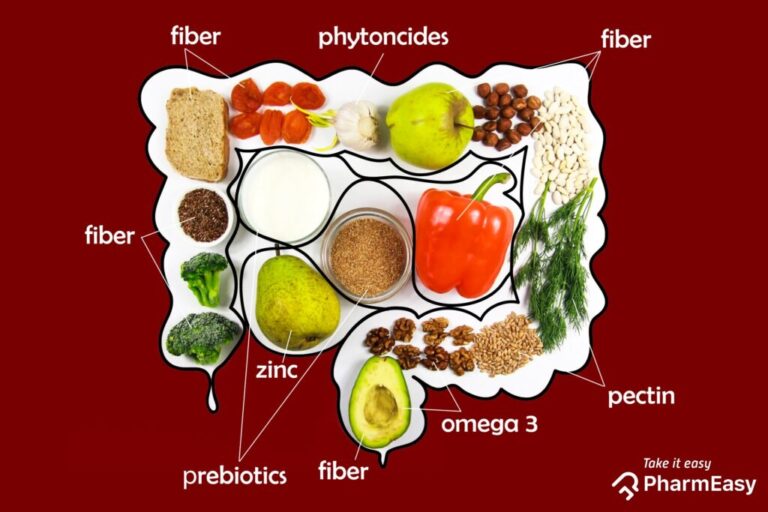
2. Maintain a Balanced Diet: Consuming a diet rich in fiber, prebiotics, and probiotics supports a healthy gut microbiota. Foods like fruits, vegetables, whole grains, and fermented products can help sustain gut balance and enhance digestion.
3. Regular Physical Activity: Participating in consistent physical exercise can lower stress levels and support overall digestive health. Activities such as walking, jogging, and strength training help regulate stress hormones and improve gut motility.
4. Ensure Adequate Sleep: Quality sleep is vital for managing stress and supporting gut health. Aim for 7-9 hours of restful sleep each night to promote overall well-being.
5. Seek Professional Support: If stress becomes overwhelming or persistent, consider consulting a mental health professional. Therapy or counseling can offer strategies for coping with stress and addressing underlying issues.
6. Identify and Manage Stress Triggers: Recognizing and addressing stress triggers, such as work-related pressures or personal conflicts, can help mitigate the impact of stress on your gut. Setting boundaries and prioritizing self-care contribute to better stress management.

Stress is an unavoidable aspect of life, but understanding its effects on gut health empowers you to take proactive measures to manage it. By implementing stress-reduction techniques and maintaining a healthy lifestyle, you can support your gut health and overall well-being.