Understanding the intricate relationship between the gut microbiome and body composition is essential for effective weight management. This article examines key concepts such as the gut-brain connection, the role of stress management, and the effects of probiotics and prebiotics. By analyzing these factors, we can appreciate how gut health significantly influences weight management. We will also discuss the importance of diverse gut flora for overall wellness and investigate conditions like leaky gut syndrome and inflammatory bowel diseases, providing insights into strategies for a balanced lifestyle.
Many individuals aim to maintain a healthy weight, often relying on various diet and exercise plans. However, the health of our gut is a critical yet frequently overlooked aspect of weight management. The gastrointestinal tract, commonly referred to as the gut, houses trillions of microorganisms that form the gut microbiome. This complex ecosystem plays a vital role in our overall health, metabolism, and body composition.
The Microbiome’s Influence on Weight Management
The gut microbiome comprises a diverse array of bacteria, viruses, fungi, and other microorganisms. These entities assist in food digestion, nutrient production, and immune system regulation. Recent studies indicate that the composition of the gut microbiome can significantly impact body weight and fat storage.
Research reveals that individuals with a healthy weight often possess a more diverse and balanced microbiome, while those who are overweight or obese typically exhibit a less diverse and imbalanced microbiome. This correlation suggests that the gut microbiome plays a role in regulating metabolism and energy balance.

Understanding the Gut-Brain Connection
Another crucial element in the discussion of gut health and weight management is the gut-brain connection. The gut and brain communicate through a complex network of nerves, hormones, and chemical signals, known as the gut-brain axis.
Studies show that the gut microbiome can affect mood, emotions, and even food cravings. An imbalanced or unhealthy microbiome can disrupt the gut-brain axis, leading to altered appetite, cravings for unhealthy foods, and potential weight gain.
Connecting Gut Health to Weight Gain
Several mechanisms explain the connection between gut health and weight gain. A primary factor is the gut microbiome’s ability to extract energy from food. Certain gut bacteria can break down dietary fibers and complex carbohydrates that our bodies struggle to digest, producing short-chain fatty acids that serve as energy sources for our cells.
However, an imbalanced microbiome with reduced bacterial diversity may be less efficient at energy extraction, leading to increased calorie absorption and potential weight gain. Furthermore, an unhealthy gut microbiome can promote inflammation and hinder the body’s ability to regulate blood sugar levels, contributing to weight gain and metabolic disorders.

Impact of an Unhealthy Microbiome on Metabolism
An unhealthy gut microbiome can adversely affect metabolism. Research indicates that specific gut bacteria produce metabolites that influence metabolic pathways. Some bacteria, for instance, generate metabolites that enhance lipid production, resulting in increased fat storage.
Additionally, an imbalanced microbiome can diminish insulin sensitivity, crucial for regulating blood sugar levels. When the body becomes less responsive to insulin, it struggles to utilize glucose for energy, leading to elevated blood sugar levels and a heightened risk of conditions like diabetes and obesity.

The Role of Gut Inflammation in Weight Management
Inflammation is a natural immune response that aids the body in combating harmful pathogens. Nonetheless, chronic gut inflammation can negatively impact health, particularly regarding weight management. An imbalanced gut microbiome may trigger chronic low-grade inflammation, disrupting normal gut function and contributing to weight gain.
This inflammation can lead to leaky gut syndrome, where the intestinal lining’s integrity is compromised, allowing harmful substances to enter the bloodstream. This process can provoke an immune response, resulting in further inflammation and potentially contributing to weight gain and metabolic disorders.
Dietary Factors Affecting Gut Health and Weight
Diet plays a pivotal role in maintaining a healthy gut microbiome. Certain dietary choices can foster a diverse and balanced microbiome, while others may disrupt this balance and encourage harmful bacteria’s growth.
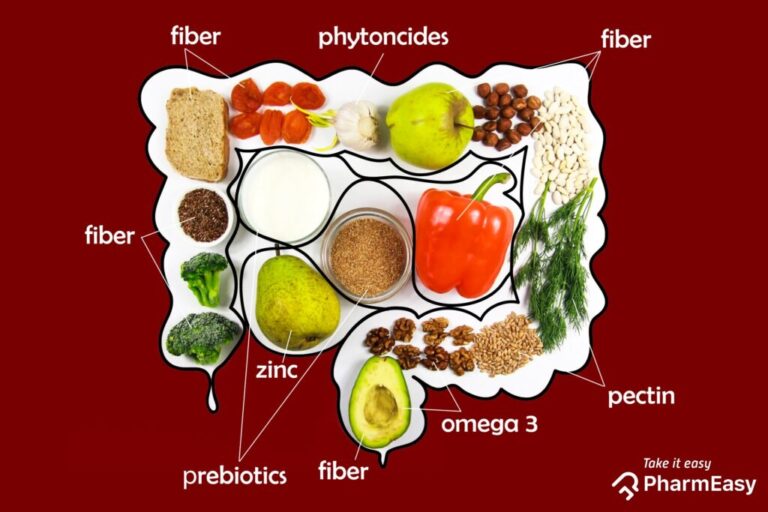
A diet rich in processed foods, refined sugars, and unhealthy fats can adversely affect the gut microbiome, promoting harmful bacteria’s proliferation and diminishing beneficial bacteria. Conversely, a diet abundant in whole, unprocessed foods—such as fruits, vegetables, whole grains, and lean proteins—can support a healthy gut microbiome. These foods are rich in fiber, acting as prebiotics that nourish beneficial gut bacteria.
Probiotics and Their Role in Weight Management
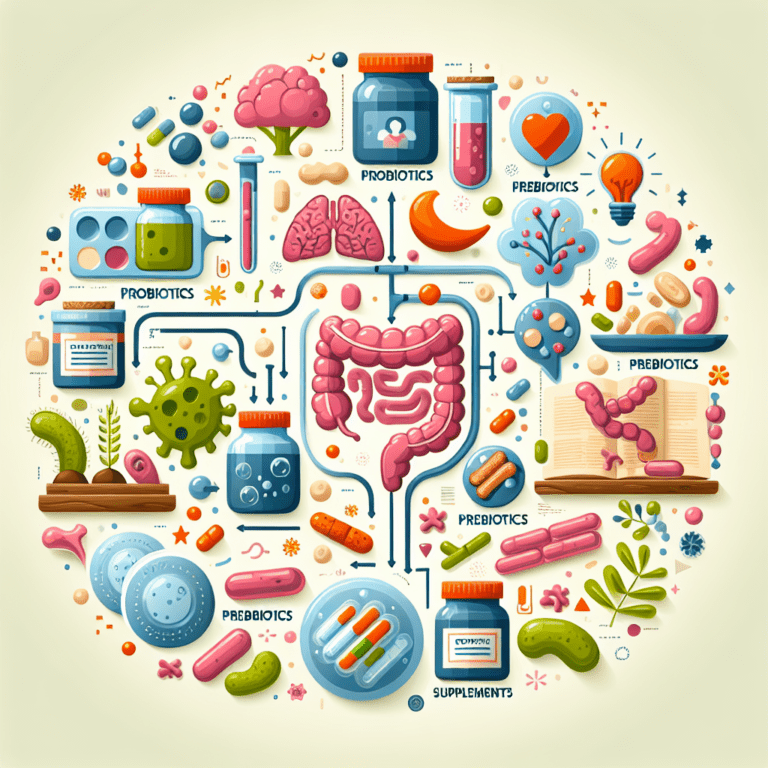
Probiotics are live microorganisms that can provide health benefits when consumed in adequate amounts, found in specific foods or supplements. These beneficial bacteria have been extensively studied for their potential role in weight management.
Research suggests that certain strains of probiotics, including Lactobacillus and Bifidobacterium, may aid in weight loss and prevent weight gain. These probiotics may positively influence gut microbiome composition, enhance gut barrier function, and reduce inflammation, leading to improved weight management outcomes.
Prebiotics and Their Impact on Weight Management
Prebiotics are non-digestible fibers that serve as nourishment for beneficial gut bacteria. Foods rich in prebiotics include onions, garlic, bananas, and whole grains. Incorporating prebiotics into your diet can encourage the growth of beneficial bacteria and support a healthy microbiome.
Numerous studies indicate that prebiotics positively impact weight management by increasing satiety, reducing food cravings, and enhancing insulin sensitivity. Additionally, prebiotics stimulate the production of short-chain fatty acids, which are linked to better weight management outcomes.
The Role of Fiber in Gut Health and Weight Management
Fiber, a type of carbohydrate that our bodies cannot fully digest, is found in plant-based foods like fruits, vegetables, whole grains, and legumes. Fiber is vital for maintaining a healthy gut, promoting regular bowel movements, and providing food for beneficial gut bacteria.
Research indicates that high-fiber diets are associated with a reduced risk of weight gain and obesity. Fiber-rich foods are typically low in calories and can enhance feelings of fullness, resulting in reduced calorie intake. Additionally, fiber helps regulate blood sugar levels and improve insulin sensitivity, both crucial factors for effective weight management.

Exercise and Its Impact on Gut Health for Weight Management
Regular physical activity is vital for maintaining a healthy weight and promoting gut health. Exercise has been shown to positively affect the gut microbiome, increasing microbial diversity and fostering the growth of beneficial bacteria.
Physical activity can also reduce gut inflammation and enhance gut barrier function. It helps regulate insulin levels, improve metabolic health, and support weight loss. Incorporating both aerobic exercises and strength training into your routine can synergistically benefit gut health and weight management.
Maintaining a healthy gut is essential for effective weight management. The gut microbiome and its interactions with the gut-brain axis, metabolism, inflammation, and dietary factors significantly influence body composition and weight. By prioritizing a balanced diet, incorporating probiotics and prebiotics, consuming sufficient fiber, and engaging in regular exercise, you can support a healthy gut and improve your chances of achieving and maintaining a healthy weight.