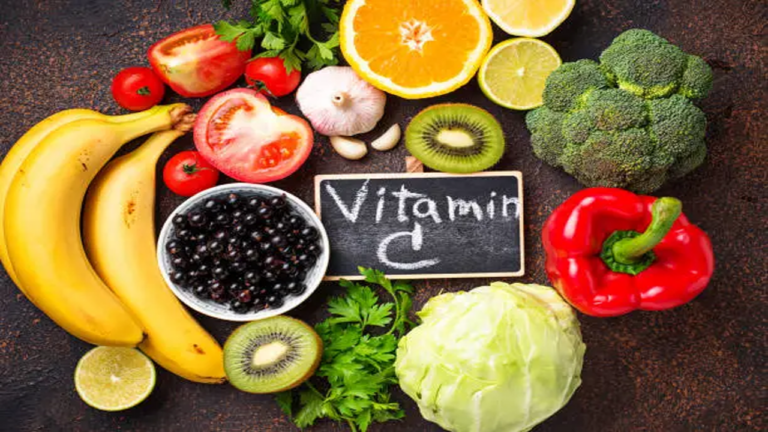
Vitamin C is widely recognized as a potent ally for the immune system. Found abundantly in various fruits and vegetables, it is also a common ingredient in many fortified cereals.
At the first hint of a cold, many individuals instinctively reach for vitamin C supplements like Emergen-C or a refreshing glass of orange juice. But does consuming high doses of vitamin C truly make a difference?
The Role of Vitamin C in Immunity
Vitamin C plays a significant role in addressing numerous health issues, including infections, wound healing, and inflammatory disorders. This vital nutrient is present in a variety of foods, particularly fruits and vegetables, and can also be taken as a dietary supplement.
The immune-boosting properties of vitamin C are well-documented, making it a staple in countless diets. However, can it actually prevent colds and flu?
Research indicates that while high doses of vitamin C do not prevent colds, regular intake over time can potentially reduce the duration of illness by approximately 10%. For instance, a cold that typically lasts ten days could be shortened to nine days if vitamin C is taken consistently.
Nonetheless, rushing to purchase a vitamin C supplement at the first sign of a sniffle may not be the best approach. Instead, prioritize a balanced diet, adequate sleep, stress management, and proper hydration. These lifestyle choices significantly enhance your immune system more effectively than vitamin C megadosing.
Understanding Vitamin D’s Impact
Vitamin D serves as a powerful immune booster and plays a crucial role in calcium absorption, heart health, and bone strength. Research suggests that it may also help in preventing colds and flu.
A recent study published on the bioRxiv preprint server revealed that high doses of vitamin D can shorten the duration of flu infections and alleviate symptoms such as chest pain and fever. The findings support the idea that vitamin D supplementation could complement influenza vaccinations, particularly during the colder months.
A randomized controlled trial led by QIMR Berghofer demonstrated that a daily vitamin D capsule reduced the incidence of acute respiratory infections by half in participants with low baseline levels (below 25 nanomoles per liter). Even those with higher baseline levels experienced a 10% reduction in infections, albeit with a less pronounced effect. Participants in the study recorded their symptoms in a database and maintained health diaries throughout the trial.
The Benefits of Polyphenols
Polyphenols may sound complex, but they are beneficial plant compounds that exist in over 8,000 known varieties. These compounds are categorized based on their chemical structures, including flavonoids (like quercetin and kaempferol), phenolic acids (such as tannins found in red wine), lignans (present in flax seeds and whole grains), and stilbenes (like resveratrol).
As antioxidants, polyphenols help neutralize free radicals—unstable molecules that can cause cellular damage and contribute to chronic diseases. They also exhibit anti-inflammatory properties, which may help reduce the risk of conditions such as heart disease, arthritis, and diabetes.
A well-rounded diet rich in fruits, vegetables, herbs, spices, nuts, and whole grains should provide a healthy intake of polyphenols. Aim for approximately 1,000 milligrams of polyphenols daily. If you’re considering a supplement, consult your healthcare provider first to ensure you choose a high-quality product from a reputable brand.
Vitamin B6: A Supportive Nutrient
Vitamin B6, found in various fruits, vegetables, and legumes, plays a vital role in producing red blood cells, supporting a healthy nervous system, and enhancing immune function. It also acts as a natural antihistamine.
While vitamin B6 alone may not prevent colds or flu, it can help alleviate symptoms and shorten the duration of illness. You can obtain sufficient vitamin B6 through whole foods or supplements.
Vitamin C is highly concentrated in immune cells and tends to deplete quickly during infections. Therefore, taking a high dose of vitamin C can significantly reduce the duration of illness. However, be cautious not to exceed 2,000 mg per day, as higher doses can lead to dizziness, nausea, and kidney stones.
Did you miss our previous article?
https://www.buildabettergut.com/pneumonia-shots/