In today’s fast-paced world, new diet trends surface almost daily, making it easy to feel overwhelmed by the multitude of choices available. From ketogenic to vegan, paleo to intermittent fasting, the options are abundant. But which diet genuinely deserves your time and commitment? This article thoroughly evaluates some of the most popular diet trends, examining their advantages, disadvantages, and long-term viability to assist you in making an informed choice.
The Ketogenic Diet: Assessing Its Sustainability
The ketogenic diet, commonly referred to as the keto diet, focuses on a high-fat, low-carbohydrate approach that encourages your body to enter a state of ketosis, where it utilizes fat for energy instead of carbohydrates.
Advantages of the Ketogenic Diet
- Weight Loss: Many individuals experience significant weight loss during the initial stages of the keto diet, primarily due to the body’s transition from burning carbs to burning fat for energy.
- Enhanced Mental Clarity: Followers often report improved cognitive function and mental clarity.
- Decreased Inflammation: The diet’s high-fat content can help reduce inflammation, which may benefit conditions such as arthritis.
Disadvantages of the Ketogenic Diet
- Highly Restrictive: The keto diet can be overly restrictive, making long-term adherence challenging.
- Nutrient Deficiencies: Eliminating entire food groups may result in deficiencies in essential nutrients like fiber, vitamins, and minerals.
- Keto Flu: Transitioning into ketosis often leads to flu-like symptoms, including fatigue, headaches, and nausea.
Intermittent Fasting: A Flexible Eating Pattern
Intermittent fasting (IF) is more of an eating pattern than a traditional diet, cycling between periods of fasting and eating. Popular methods include the 16/8 method, where you fast for 16 hours and eat during an 8-hour window, and the 5:2 method, which involves eating normally for five days and restricting calories for two non-consecutive days.
Advantages of Intermittent Fasting
- Simplicity: Intermittent fasting is straightforward, as it doesn’t require calorie counting or macronutrient tracking.
- Weight and Fat Loss: Research indicates that IF can lead to significant weight and fat loss, particularly in the abdominal area.
- Improved Metabolic Health: Intermittent fasting may enhance insulin sensitivity, lower blood sugar levels, and reduce inflammation.
Disadvantages of Intermittent Fasting
- Hunger and Cravings: The fasting periods can be difficult, especially initially, leading to intense hunger and cravings.
- Not Suitable for Everyone: Intermittent fasting may not be appropriate for individuals with certain medical conditions or those who are pregnant or breastfeeding.
- Risk of Overeating: Some may overeat during eating windows, counteracting the benefits of fasting.
The Paleo Diet: Eating Like Our Ancestors
The paleo diet, often referred to as the caveman diet, emphasizes consuming whole foods that our hunter-gatherer ancestors would have eaten. This includes meat, fish, fruits, vegetables, nuts, and seeds while avoiding processed foods, grains, legumes, and dairy.
Advantages of the Paleo Diet
- Nutrient-Rich Foods: The paleo diet prioritizes nutrient-dense, whole foods, which can lead to improved overall health.
- Weight Loss: Many individuals experience weight loss due to the elimination of processed foods and refined sugars.
- Lower Risk of Chronic Diseases: The focus on whole foods can help reduce the risk of chronic diseases such as heart disease and diabetes.
Disadvantages of the Paleo Diet
- Restrictive Nature: Similar to the keto diet, the paleo diet can be restrictive and challenging to maintain long-term.
- Elimination of Food Groups: Cutting out entire food groups like grains and legumes can result in nutrient deficiencies.
- Cost: The emphasis on high-quality, whole foods may make the paleo diet expensive to follow.
The Vegan Diet: A Plant-Based Approach
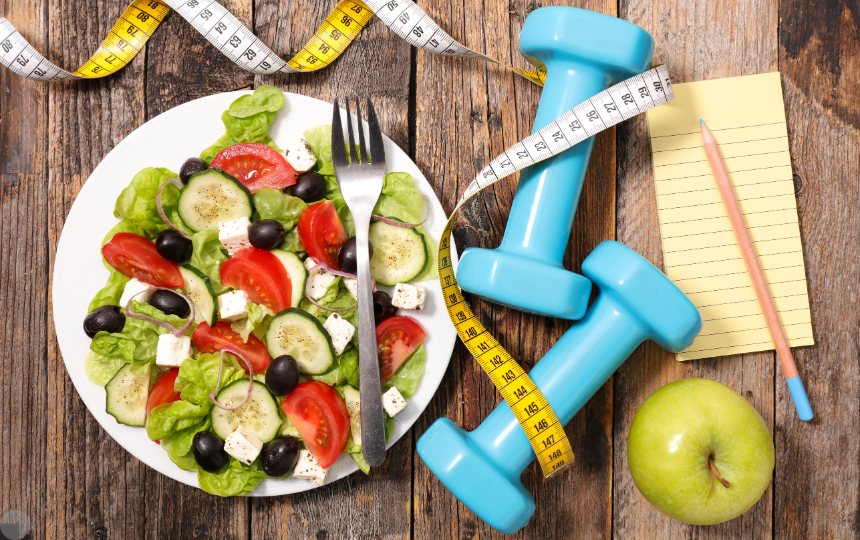
The vegan diet excludes all animal products, including meat, dairy, and eggs, focusing instead on plant-based foods such as fruits, vegetables, grains, legumes, nuts, and seeds.
Advantages of the Vegan Diet
- Health Benefits: A well-planned vegan diet can provide all necessary nutrients and may lower the risk of heart disease, diabetes, and certain cancers.
- Weight Loss: Many people find success in losing weight on a vegan diet due to the high fiber content and low caloric density of plant-based foods.
- Ethical and Environmental Impact: Adopting a vegan diet supports sustainability and reduces animal suffering and environmental degradation.
Disadvantages of the Vegan Diet
- Nutrient Deficiencies: Without careful planning, a vegan diet may lead to deficiencies in essential nutrients like vitamin B12, iron, and omega-3 fatty acids.
- Social Challenges: Dining out and socializing can be more complicated on a vegan diet due to limited options and the need for careful ingredient scrutiny.
- Initial Adjustment: Transitioning to a vegan diet may require significant changes in food choices and cooking habits.
The Mediterranean Diet: A Balanced Eating Style
The Mediterranean diet draws inspiration from the traditional eating habits of countries bordering the Mediterranean Sea. It emphasizes whole grains, fruits, vegetables, legumes, nuts, olive oil, fish, and moderate red wine consumption.
Advantages of the Mediterranean Diet
- Heart Health: This diet is renowned for its heart health benefits, including a reduced risk of heart disease and stroke.
- Longevity: Studies suggest that the Mediterranean diet is associated with longer life expectancy and a lower risk of chronic diseases.
- Balanced and Enjoyable: With less restriction compared to other diets, it allows for a variety of foods, making it easier to maintain over time.
Disadvantages of the Mediterranean Diet
- Moderation Required: While it encourages moderate consumption of various foods, some individuals may struggle with portion control.
- Alcohol Consumption: The recommendation for moderate red wine intake may not suit everyone, especially those with a history of alcohol issues.
- Accessibility: Certain key components, like fresh fish and olive oil, can be expensive or difficult to find in some regions.
Finding the Right Diet for You
When selecting a diet to follow, it’s vital to consider your personal preferences, lifestyle, and health objectives. Here are some tips to help you make the right choice:
- Assess Your Goals: Identify what you aim to achieve with your diet, whether it’s weight loss, improved health, or ethical considerations.
- Consider Your Lifestyle: Choose a diet that aligns with your daily routine and social life to enhance your chances of long-term success.
- Consult a Professional: Speak with a healthcare provider or registered dietitian to ensure your chosen diet meets your nutritional needs.
- Listen to Your Body: Pay attention to how your body reacts to different foods and adjust accordingly.
With numerous diet trends competing for your attention, finding one that aligns with your health goals, lifestyle, and personal preferences is essential. Whether you prefer the high-fat, low-carb approach of the keto diet, the flexible structure of intermittent fasting, the ancestral focus of the paleo diet, the plant-based emphasis of the vegan diet, or the balanced nature of the Mediterranean diet, a suitable diet can help you reach your objectives.