Achieving weight loss can often feel challenging. However, the good news is that you can take steps to enhance your metabolism, which is the rate at which your body burns calories for energy. A faster metabolism means your body burns calories more efficiently, both while at rest and during physical activity, making weight loss more attainable and sustainable. This article outlines effective strategies to elevate your metabolic rate, assisting you in reaching your weight loss objectives and fostering a healthier lifestyle.
Understanding Metabolism: The Body’s Energy System
Your metabolism functions like an internal engine, continuously burning calories to support your body’s essential functions. Several factors influence your metabolic rate, including:
- Basal Metabolic Rate (BMR): This refers to the number of calories your body expends at rest to maintain vital functions such as breathing, circulation, and cell repair. Muscle mass significantly impacts BMR, as muscle tissue consumes more calories than fat tissue, even when inactive.
- Thermic Effect of Food (TEF): This is the energy your body uses to digest, absorb, and store nutrients from food. Protein has a higher TEF compared to carbohydrates and fats, making it a thermogenic nutrient that can provide a slight boost to metabolism.
- Physical Activity: Engaging in exercise, particularly strength training, enhances muscle mass, which in turn raises BMR and increases calorie burning throughout the day.
Strategies to Ignite Your Metabolic Rate
Here are some of the most effective methods to elevate your metabolism and support weight loss:
-
Prioritize Strength Training: Building muscle is transformative. Since muscle burns more calories at rest than fat, incorporating strength training into your routine is vital for an accelerated metabolism. Aim for 2-3 strength training sessions each week, focusing on all major muscle groups.
-
Incorporate High-Intensity Interval Training (HIIT): HIIT alternates short bursts of intense activity with periods of rest or lower-intensity exercise. This training method raises your metabolic rate not only during workouts but also for a period afterward, known as the afterburn effect. Even brief HIIT sessions (as short as 15 minutes) can be highly effective.

-
Increase Daily Movement: Don’t underestimate the impact of Non-exercise Activity Thermogenesis (NEAT). Everyday activities like taking the stairs, walking during breaks, or even fidgeting contribute to calorie burning. Seek opportunities to enhance your daily activity levels.
-
Emphasize Protein Intake: As a thermogenic nutrient, protein requires calories for digestion and absorption. Incorporate lean protein sources such as chicken, fish, legumes, and tofu into your meals and snacks to promote satiety and support a healthy metabolism.
-
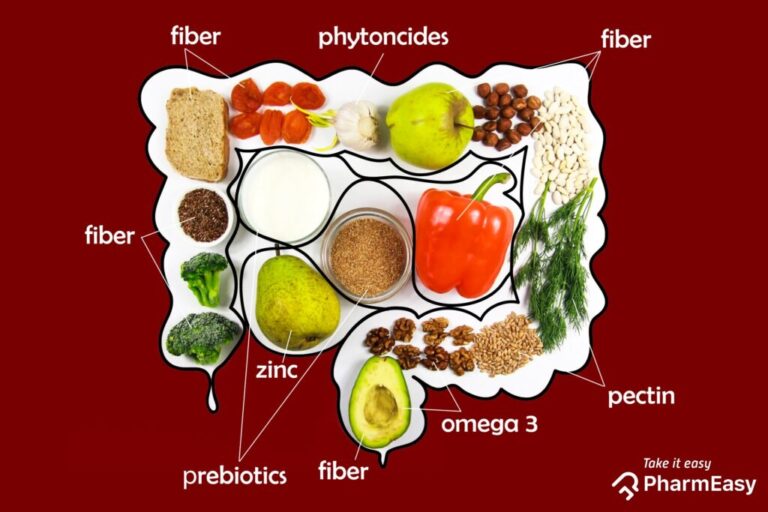
Focus on Fiber: Foods rich in fiber, like fruits, vegetables, and whole grains, take longer to digest, helping you feel full and reducing calorie intake. The additional effort required to digest fiber can also contribute to a slight increase in calorie burning.
-
Add Spices to Your Meals: Chili peppers contain capsaicin, a compound that may enhance metabolism and promote feelings of fullness. Incorporating spices like chili powder, cayenne pepper, or black pepper into your meals can be an easy way to aid weight loss efforts.
-
Stay Hydrated: Adequate hydration is essential for various bodily functions, including metabolism. Dehydration can slow your metabolic rate. Aim for at least eight glasses of water daily, adjusting based on your climate and activity level.
-
Avoid Skipping Meals: Skipping meals can disrupt your metabolism and lead to overeating later. Aim for regular meals and healthy snacks throughout the day to keep your metabolism functioning smoothly and prevent blood sugar dips that trigger cravings.
-
Prioritize Quality Sleep: Chronic sleep deprivation can interfere with hormones that regulate hunger and metabolism. Strive for 7-8 hours of quality sleep each night to optimize your metabolic health and support weight loss efforts.
-
Manage Stress Levels: Chronic stress raises cortisol levels, a hormone that can contribute to weight gain and hinder fat burning. Utilize stress-management techniques such as yoga, meditation, deep breathing, or spending time outdoors to help regulate stress levels and support a healthy metabolism.

Optimizing Your Diet for Metabolic Enhancement
In addition to the strategies mentioned, consider these dietary modifications to further support your weight loss efforts:
-
Avoid Refined Carbohydrates and Sugary Beverages: Refined carbs and sugary drinks can cause blood sugar spikes and crashes, leading to cravings and overeating. Choose complex carbohydrates like whole grains, fruits, and vegetables that provide sustained energy and promote satiety.
-
Limit Added Sugars: Added sugars contribute to empty calories and weight gain. Reduce intake of sugary treats, processed foods, and condiments that often contain hidden sugars. Carefully read food labels and opt for products with minimal added sugar content.
Practice Mindful Eating: Pay attention to your hunger and fullness signals. Eat slowly, savor your food, and minimize distractions like screens during meals. Mindful eating helps you recognize satiety and prevents overeating, which can slow down your metabolism.
-
Portion Control: Even healthy foods can hinder weight loss if consumed excessively. Use smaller plates, measure ingredients, and be mindful of serving sizes. Consider portion control tools like single-serving containers or pre-measured snacks.
-
Intermittent Fasting (Consult Your Doctor): This approach involves alternating between periods of eating and fasting. While research continues, some studies suggest intermittent fasting may benefit metabolic health and weight loss. However, consult your doctor before starting any fasting regimen, especially if you have underlying health conditions.
Building Sustainable Habits for Long-Term Success
The key to lasting weight loss lies in creating sustainable habits that seamlessly integrate into your daily routine. Here are some tips:
- Start Small: Avoid overwhelming yourself with drastic changes. Gradually introduce new habits, one at a time, to enhance the likelihood of long-term success.
- Find What Works for You: Experiment with various strategies to discover what best suits your body and lifestyle. There’s no universal solution for enhancing metabolism.
- Make Healthy Swaps: Instead of complete deprivation, focus on healthy substitutions. Replace sugary drinks with water, choose baked sweet potato fries over traditional fries, or opt for air-popped popcorn instead of high-calorie chips.
- Allow Occasional Indulgences: Enjoying your favorite treats in moderation is acceptable. Celebrate non-scale victories like increased energy, better sleep, or improved clothing fit to maintain motivation.
- Find an Accountability Partner: Share your goals with a friend or family member for support and encouragement. Having someone to hold you accountable can serve as a powerful motivator.
Addressing Common Challenges
- Plateaus: Weight loss plateaus are a normal part of the journey. Stay encouraged! Slightly adjust your calorie intake, vary your routine with new healthy recipes, or try a brief low-carb phase (under medical supervision) to overcome a plateau.
- Cravings: Cravings are natural. When they arise, try drinking water, eating a piece of fruit, or engaging in a distracting activity to manage the urge.
The Role of Individuality and Genetics
While these strategies can significantly enhance your metabolism, it’s vital to recognize individual differences. Genetics influence basal metabolic rate, with some individuals naturally burning calories more quickly than others. Additionally, certain medical conditions can impact metabolism.
Here’s how to navigate these factors:
- Consult a Healthcare Professional: A doctor or registered dietitian can evaluate your individual needs, underlying health conditions, and genetic factors. They can offer personalized guidance on boosting metabolism and creating a tailored weight loss plan.
- Focus on Controllables: While you cannot change your genetics, you can influence factors within your control. Prioritize a healthy diet, regular exercise, quality sleep, and stress management to optimize your metabolic health.
- Celebrate Progress, Not Perfection: Each weight loss journey is unique. Acknowledge your progress, no matter how small, and focus on the positive changes to your health and well-being.
Additional Strategies for Specific Needs
- Pre-existing Health Conditions: Certain health issues can impact metabolism. If you have underlying health concerns, consult a healthcare professional before implementing any strategies. They can guide you on safe and effective approaches that align with your treatment plan.
- Age Considerations: Metabolic rate typically declines with age. Strength training becomes increasingly important to maintain muscle mass and support a healthy metabolism as you grow older.
- Postpartum Considerations: Focus on nourishing your body for recovery after childbirth. Prioritize nutrient-dense foods, stay hydrated, and gradually incorporate gentle exercise as your body allows. Consult your doctor before making significant changes to your diet or exercise routine.
The Importance of a Holistic Approach
Metabolism is just one piece of the weight loss puzzle. A holistic approach that considers both physical and mental well-being is essential for sustainable success. Here are some additional considerations:
- Manage Stress: Chronic stress can disrupt hormones that regulate hunger and metabolism. Explore stress-management techniques to maintain healthy stress levels and support overall health.
- Mind-Body Connection: Develop a healthy relationship with food and your body. Emphasize intuitive eating, body positivity, and self-compassion for a more sustainable weight loss approach.
- Engage in Enjoyable Activities: Exercise should be enjoyable, not a chore. Find activities you genuinely love, whether it’s dancing, swimming, hiking, or team sports, to make staying active a sustainable lifestyle choice.
Weight loss is a marathon, not a sprint. By incorporating these strategies, tailoring your approach to your individual needs, and prioritizing overall well-being, you can effectively enhance your metabolism, achieve sustainable weight loss, and create a healthier, happier version of yourself.