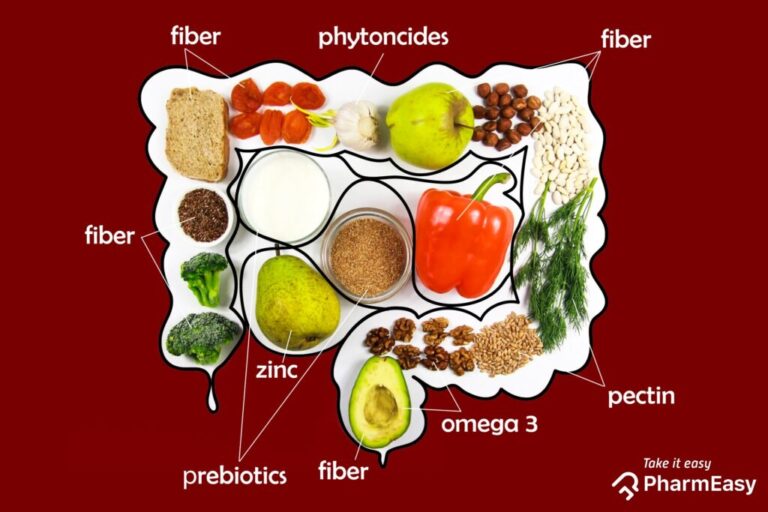
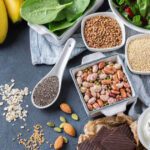
The gut microbiome is a complex ecosystem filled with trillions of microorganisms that reside in the gastrointestinal tract. This diverse community, which includes bacteria, viruses, fungi, and protozoa, plays a crucial role in various bodily functions such as digestion, nutrient absorption, immune response, and protection against harmful pathogens. Maintaining a balanced and thriving gut microbiome is vital for overall health, highlighting the need to understand and actively support its well-being. This article explores the essential nutrients that contribute to a healthy gut microbiome.
Understanding the Complex Interactions Within the Gut Microbiome
To appreciate the importance of specific nutrients, it is essential to understand the intricate dynamics of the gut microbiome. This microbial community continuously adapts to various factors, including genetics, diet, lifestyle, and environmental influences. The balance between beneficial and harmful microorganisms is critical in determining overall gut health and functionality.
Dietary Fiber: The Cornerstone of Gut Health
Dietary fiber is fundamental for maintaining gut health. This group of plant-based compounds cannot be digested by human enzymes, allowing it to reach the colon intact. Found abundantly in fruits, vegetables, whole grains, nuts, and seeds, fiber acts as a crucial substrate for fermentation by beneficial bacteria. Notably, Bifidobacteria and Lactobacilli ferment fiber into short-chain fatty acids (SCFAs) like acetate, propionate, and butyrate.
SCFAs play an essential role beyond energy production; they help maintain the integrity of the intestinal barrier, reduce inflammation, and regulate immune function. A fiber-rich diet encourages the growth of beneficial bacteria, fostering a diverse and resilient gut microbiome.
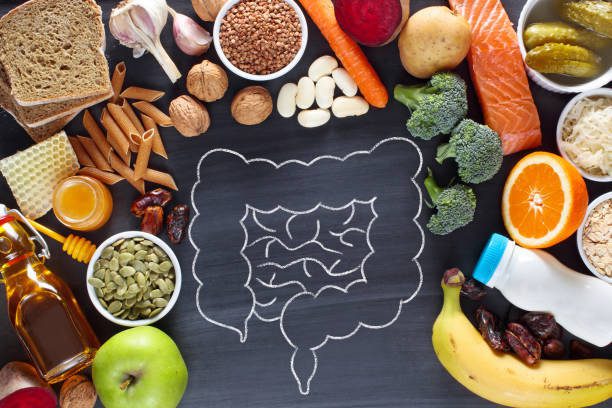
Prebiotics: Nourishing Beneficial Bacteria
Prebiotics complement the role of dietary fiber by providing non-digestible fibers that selectively feed beneficial bacteria. Key prebiotic compounds include inulin, fructooligosaccharides (FOS), galactooligosaccharides (GOS), and resistant starch. These prebiotics are found in foods such as garlic, onions, leeks, bananas, oats, and Jerusalem artichokes, serving as fuel for probiotics residing in the gut.
Incorporating a variety of prebiotic-rich foods into your diet enhances the growth of beneficial bacteria and strengthens the gut barrier, providing a robust defense against harmful pathogens. The synergy between fiber and prebiotics underscores the importance of a diverse, plant-rich diet for maintaining gut health.
Probiotics: Building Beneficial Bacterial Populations
Probiotics are live microorganisms known for their health benefits, significantly contributing to gut health. Fermented foods such as yogurt, kefir, sauerkraut, kimchi, miso, and kombucha are excellent sources of these beneficial bacteria. Genera like Lactobacillus and Bifidobacterium are well-known probiotics that support digestion, immune modulation, and protection against pathogens.
Probiotics not only help restore balance after disruptions like antibiotic use or infections but also play a vital role in maintaining ongoing gut health. Regularly consuming probiotic-rich foods or supplements can enhance the diversity of the gut microbiome, creating a dynamic microbial environment that supports overall digestive well-being.
Polyphenols: Nature’s Antioxidants Benefiting Gut Health
Polyphenols are diverse plant compounds found in foods such as fruits, vegetables, tea, coffee, red wine, and dark chocolate. They are recognized for their antioxidant and anti-inflammatory properties. Beyond their systemic effects, polyphenols significantly influence gut health by modulating the composition and activity of the gut microbiota.
Some polyphenols, including flavonoids and phenolic acids, serve as prebiotics, stimulating the growth of beneficial bacteria while inhibiting harmful pathogens. Their multifaceted impact includes enhancing SCFA production, improving gut barrier function, and reducing inflammation in the gastrointestinal tract. Including a variety of polyphenol-rich foods in your diet is a strategic approach to nurturing a healthy gut microbiome.
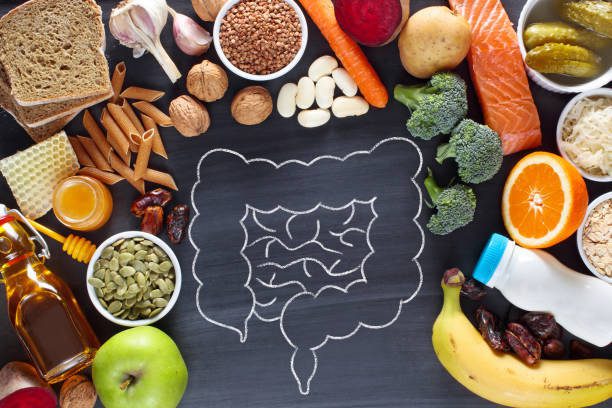
Omega-3 Fatty Acids: Beneficial Fats for Gut Wellness
Omega-3 fatty acids are essential polyunsaturated fats found in fatty fish, flaxseeds, chia seeds, walnuts, and certain algae. These healthy fats are well-known for their anti-inflammatory properties. Recent research suggests that omega-3 fatty acids also play a role in gut health.
Studies indicate that omega-3 fatty acids can influence the composition of the gut microbiota, promoting the growth of beneficial bacteria while suppressing pro-inflammatory microbes. Additionally, these fats contribute to producing anti-inflammatory compounds in the gut, such as resolvins and protectins, which help resolve inflammation and promote gut healing. Incorporating omega-3-rich foods into your diet or considering omega-3 supplements can support a healthy gut microbiome.
The gut microbiome serves as a cornerstone of human health, influencing various physiological processes. Supporting a healthy gut microbiome requires a holistic approach, with dietary choices playing a pivotal role. The interplay of fiber, prebiotics, probiotics, polyphenols, and omega-3 fatty acids creates a solid foundation for optimal gut health.
As we uncover the complexities of the gut microbiome, it becomes clear that a diverse and balanced diet rich in plant-based foods and essential nutrients is vital. Adopting a lifestyle that encourages the growth of beneficial bacteria, strengthens the gut barrier, and reduces inflammation lays the groundwork for long-term well-being. Investing in gut health is an investment in the vitality and resilience of the entire body.