Your gut microbiome – a teeming metropolis of trillions of bacteria, viruses, and fungi residing within your intestines – plays a crucial role in your overall health and well-being. These microscopic residents influence digestion, immunity, mood regulation, and even your risk of chronic diseases. Just like any thriving community, your gut microbiome needs the right nourishment to flourish.

This comprehensive guide dives into the fascinating world of gut health, explores the key nutrients that nurture a healthy gut microbiome, and provides practical dietary strategies to cultivate a diverse and resilient gut ecosystem. We’ll delve into the science behind gut bacteria, unveil the connection between nutrients and gut health, and offer a roadmap to nourishing your gut microbiome for optimal well-being.
The Gut Microbiome: A Microscopic Powerhouse
The human gut microbiome is a complex and dynamic ecosystem. While estimates vary, research suggests trillions of bacteria, along with other microbes, call your gut home. These diverse residents play a multitude of vital roles:
- Digestion: Gut bacteria break down complex food particles, aiding in nutrient absorption and energy production.
- Immunity: They train your immune system to differentiate friend from foe, protecting us from harmful pathogens.
- Metabolism: Gut bacteria influence how our bodies process and utilize energy from food.
- Mood Regulation: They contribute to the production of neurotransmitters like serotonin and GABA, impacting mood, anxiety, and overall well-being.
The Gut-Brain Axis: A Two-Way Street
The gut microbiome doesn’t operate in isolation. It communicates extensively with the brain through a complex network known as the gut-brain axis. This bidirectional communication pathway allows signals to travel from the gut to the brain and vice versa. A healthy gut microbiome can positively influence mood, cognitive function, and stress management, while an imbalanced gut can contribute to anxiety, depression, and brain fog.
Nourishing Your Gut Garden: Key Nutrients for a Flourishing Microbiome
Just as plants need specific nutrients to thrive, your gut bacteria rely on specific dietary components to flourish. Here are some key dietary factors that influence the composition and function of your gut microbiome:
-
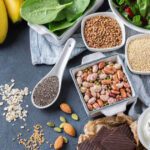
Prebiotics: These dietary fibers act like fertilizer for your gut bacteria. They are non-digestible by humans but readily fermented by beneficial gut bacteria, promoting their growth and activity. Fruits, vegetables, whole grains, and legumes are all excellent sources of prebiotics.
- Focus on Diversity: While all prebiotics are beneficial, incorporating a variety of prebiotic-rich foods exposes your gut bacteria to a wider range of nutrients, promoting a more diverse microbiome.
- Examples: Aim for a rainbow of fruits and vegetables daily, including apples, bananas, berries, asparagus, onions, garlic, and leafy greens. Choose whole grains over refined options, like brown rice, quinoa, and whole-wheat bread. Include legumes like lentils, beans, and chickpeas in your diet.
-
Probiotics: These live and active bacterial cultures are found in fermented foods like yogurt, kefir, kimchi, sauerkraut, kombucha, and some miso pastes. While not technically food, probiotic supplements are another way to introduce beneficial bacteria strains to your gut.
- Choosing Probiotics: Look for products containing well-researched strains like Lactobacillus and Bifidobacterium. Consult with your doctor or a registered dietitian to choose the right strain and dosage for your individual needs.
-
Fiber: While prebiotics are a specific type of fiber, overall fiber intake plays a crucial role in gut health. Fiber helps to bulk up stool, promote regularity, and provide nourishment for beneficial gut bacteria.
- Types of Fiber: There are two main types of fiber: soluble and insoluble. Soluble fiber dissolves in water, forming a gel-like substance that helps regulate digestion and blood sugar levels. Insoluble fiber adds bulk to stool and promotes regularity. Aim for a balance of both types of fiber in your diet.
- Examples: Fruits, vegetables, whole grains, and legumes are all excellent sources of fiber.
-
Polyphenols: These plant-based compounds found in fruits, vegetables, tea, cocoa, and red wine have been shown to promote the growth of beneficial gut bacteria.
- Rich Sources: Berries, apples, grapes, citrus fruits, leafy green vegetables, dark chocolate (cocoa content 70% or higher), green tea, and red wine (consumed in moderation) are all excellent sources of polyphenols.
Omega-3 Fatty Acids: These healthy fats found in fatty fish (salmon, tuna, sardines), flaxseeds, chia seeds, and walnuts have anti-inflammatory properties and may contribute to a healthy gut microbiome. Aim to incorporate sources of
- omega-3 fatty acids into your diet at least twice a week.
Foods to Limit for Gut Health
While these key nutrients promote a healthy gut microbiome, some dietary components can have a detrimental impact. Here’s what to limit:
- Added Sugars: Excessive sugar intake can disrupt the balance of gut bacteria and promote the growth of harmful pathogens. Limit sugary drinks, processed snacks, and added sugars in your diet.
- Refined Grains: Refined grains like white bread, pasta, and pastries lack fiber and essential nutrients beneficial for gut health. Opt for whole grains instead.
- Artificial Sweeteners: While research is ongoing, some studies suggest that artificial sweeteners may negatively impact gut bacteria composition. Consider natural sweeteners like honey or maple syrup in moderation.
- Excessive Processed Foods: Processed foods are often high in unhealthy fats, added sugars, and sodium, while lacking essential nutrients that nourish gut bacteria. Limit processed foods as much as possible and prioritize whole, unprocessed foods.
Building a Gut-Healthy Diet: Practical Strategies
Now that you understand the key nutrients for a healthy gut microbiome, here are some practical tips to incorporate them into your diet:
- Embrace Variety: A diverse diet exposes your gut bacteria to a wider range of nutrients, promoting a more diverse and resilient microbiome.
- Focus on Whole Foods: Prioritize whole, unprocessed foods like fruits, vegetables, whole grains, legumes, and lean protein sources.
- Incorporate Fermented Foods: Include fermented foods like yogurt, kefir, kimchi, sauerkraut, and kombucha in your diet regularly.
- Cook More at Home: Cooking at home allows you to control the ingredients and limit processed foods, added sugars, and unhealthy fats.
- Read Food Labels: Pay attention to added sugars, fiber content, and ingredients when choosing packaged foods.

Lifestyle Habits for Optimal Gut Health
Beyond diet, several lifestyle practices can positively impact your gut microbiome:
- Manage Stress: Chronic stress disrupts the gut microbiome. Practice relaxation techniques like yoga, meditation, deep breathing, or spending time in nature to manage stress levels.
- Get Enough Sleep: Chronic sleep deprivation disrupts gut bacteria composition. Aim for 7-8 hours of quality sleep each night.
- Exercise Regularly: Physical activity has been shown to promote the growth of beneficial gut bacteria. Aim for at least 150 minutes of moderate-intensity exercise or 75 minutes of vigorous-intensity exercise per week.
- Consider Probiotic Supplements: While food sources are excellent, probiotic supplements can offer a concentrated dose of beneficial bacteria. Consult with your doctor or a registered dietitian to choose the right strain and dosage for your needs.
The Road to a Thriving Gut Microbiome
Cultivating a healthy gut microbiome takes time and consistency. Here are some additional points to remember:
- Be Patient: It can take weeks or even months to see significant changes in your gut microbiome composition.
- Celebrate Milestones: Acknowledge your progress! Celebrate milestones along the way, like incorporating more fermented foods into your diet or experiencing improved digestion.
- Seek Support: Don’t be afraid to seek support from a registered dietitian, nutritionist, or healthcare professional. They can guide you on your gut health journey and provide personalized recommendations.
Remember: Your gut microbiome is a dynamic ecosystem that plays a crucial role in your overall health. By incorporating these key nutrients and lifestyle practices, you can nurture a thriving gut garden, promoting better digestion, a stronger immune system, enhanced mood, and a foundation for a healthier you!