Probiotics and prebiotics play a vital role in fostering a healthy gut environment. Recent research highlights the significance of gut health in overall well-being, sparking interest in how these components contribute to digestive wellness. Probiotics are live microorganisms that provide health advantages when consumed in sufficient quantities, while prebiotics serve as nourishment for these beneficial bacteria. As evidence mounts linking gut health to various health aspects, understanding the benefits of probiotics and prebiotics becomes increasingly important. Incorporating these elements into your daily routine can promote a balanced gut microbiome and enhance your digestive health.
Understanding the Gut Microbiome
The gut microbiome comprises a vast array of microorganisms, including bacteria, viruses, fungi, and other microbes residing in your digestive system. This diverse community plays a critical role in maintaining physical and mental health. Nurturing your gut microbiome is essential for overall wellness and can lead to improvements in various life aspects.

The Role of Probiotics and Prebiotics
Probiotics are beneficial microorganisms that can promote health benefits when consumed adequately. They help restore and maintain a balanced gut microbiome and can be found in many foods and supplements, such as yogurt, sauerkraut, and kombucha.
Prebiotics, on the other hand, are fibers that act as food for beneficial gut bacteria. Although your body does not digest prebiotics, they reach the colon intact, where gut bacteria ferment them. This fermentation process produces compounds that nourish the cells lining your colon and support the growth of beneficial bacteria.

Combining probiotics and prebiotics can create a synergistic effect on gut health. Probiotics introduce beneficial bacteria into your gut, while prebiotics provide the necessary nutrients for these bacteria to thrive.
The Gut-Brain Connection
The gut-brain axis refers to the two-way communication between the gut and the brain, emphasizing the intricate relationship between gut health and mental well-being. The connection between these two systems occurs through a complex network of nerves, hormones, and biochemical signaling pathways.
Poor gut health has been associated with various mental health issues, including anxiety and depression. Research indicates that an imbalance in gut bacteria can affect the production and signaling of neurotransmitters, which are chemical messengers in the brain that regulate mood and emotions.
By prioritizing gut health through a balanced diet, regular exercise, and effective stress management techniques, you can positively impact your mental well-being and overall quality of life.

Foods That Support Gut Health
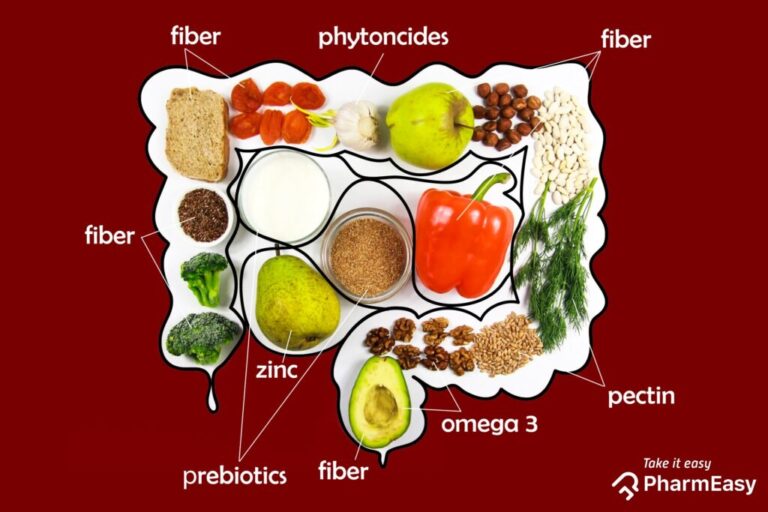
Incorporating nutrient-rich foods into your diet is crucial for promoting a healthy gut microbiome. Some gut-friendly food options include:
- Fiber-rich foods: Vegetables, fruits, whole grains, and legumes are excellent sources of fiber that fuel beneficial gut bacteria.
- Fermented foods: Yogurt, sauerkraut, kimchi, and kefir contain probiotics that help maintain a healthy balance of gut bacteria.
- Polyphenol-rich foods: Berries, dark chocolate, green tea, and olive oil are rich in polyphenols, which positively influence gut health.
- Omega-3 fatty acids: Fatty fish, flaxseeds, and chia seeds provide omega-3 fatty acids that possess anti-inflammatory properties and support gut health.
Incorporating these foods into your diet can nourish your gut microbiome and promote optimal digestive health.
Understanding Leaky Gut Syndrome
Leaky Gut Syndrome, or increased intestinal permeability, occurs when the intestinal lining becomes more porous, allowing harmful substances like toxins, bacteria, and undigested food particles to enter the bloodstream. This condition can trigger an immune response and result in various health issues.
While the precise causes of Leaky Gut Syndrome remain unclear, factors such as poor diet, chronic stress, excessive alcohol consumption, and certain medications may contribute to its development.
Symptoms of Leaky Gut Syndrome can include bloating, gas, diarrhea, fatigue, and food sensitivities. Adopting a gut-friendly diet, managing stress, and avoiding known triggers can support the healing of the intestinal lining and improve overall gut health.

Managing Stress for Better Gut Health
Chronic stress significantly impacts gut health. When under stress, your body releases hormones that can disrupt the balance of gut bacteria and lead to digestive issues.
To manage stress and support gut health, incorporate stress-reducing activities into your daily routine. These may include exercise, meditation, deep breathing exercises, and engaging in hobbies that bring joy and relaxation.
Practicing mindfulness while eating, chewing food thoroughly, and avoiding meals in stressful environments can also enhance digestion and nutrient absorption.
Insights into Inflammatory Bowel Diseases
Inflammatory bowel diseases (IBD) are chronic conditions marked by inflammation in the digestive tract, with Crohn’s disease and ulcerative colitis being the most common types. These conditions can cause significant discomfort and impact overall quality of life.
While the exact causes of IBD are not fully understood, genetics, environmental factors, and abnormal immune responses are believed to contribute. An imbalance in gut bacteria has also been linked to the development and progression of IBD.
Managing IBD typically involves a combination of medication, dietary changes, and lifestyle modifications. Collaborating with a healthcare professional is essential for effective management and treatment.
The Connection Between Gut Health and the Immune System
A healthy gut significantly supports a robust immune system. Approximately 70-80% of the body’s immune cells reside in the gut, making it a crucial component of our defense against pathogens and infections.
Beneficial gut bacteria help regulate and strengthen the immune response by interacting with immune cells. They also compete with harmful bacteria for resources, preventing overgrowth and potential infections.
To bolster your immune system through gut health, maintain a diverse and balanced gut microbiome. Achieving this involves a fiber-rich diet, regular exercise, sufficient sleep, and stress reduction.
Balancing Gut Flora for Overall Wellness
Maintaining a diverse and balanced microbial community in your gut is vital for overall wellness. A healthy gut flora is associated with numerous benefits, including improved digestion, enhanced immune function, and better mental well-being.
To promote balanced gut flora, prioritize behaviors that support gut health. This includes consuming a variety of plant-based foods, incorporating probiotic and prebiotic-rich foods into your diet, avoiding excessive antibiotic use, managing stress, and engaging in regular physical activity.
By making these lifestyle choices and nourishing your gut microbiome, you can optimize overall wellness and enhance your quality of life.

Gut Health and Weight Management
The gut microbiome also influences weight management and body composition. Research indicates that an imbalance in gut bacteria, known as dysbiosis, may contribute to weight gain and obesity.
Specific strains of gut bacteria are linked to a higher likelihood of obesity, while others correlate with a lower risk. Additionally, gut bacteria can affect how your body metabolizes food and stores fat.
To support weight management through gut health, adopt a healthy lifestyle that includes regular exercise, a balanced diet, and effective stress management techniques. Prioritizing gut-friendly foods and promoting a diverse gut microbiome can also aid in maintaining a healthy weight.
Understanding and nurturing the gut microbiome is essential for achieving optimal health and well-being. By incorporating probiotics, prebiotics, and gut-friendly foods into your daily routine, managing stress levels, and adopting a healthy lifestyle, you can support a thriving gut microbiome and enjoy the numerous benefits it provides. Prioritizing gut health is an investment in your overall wellness, paving the way for a healthier, happier life.