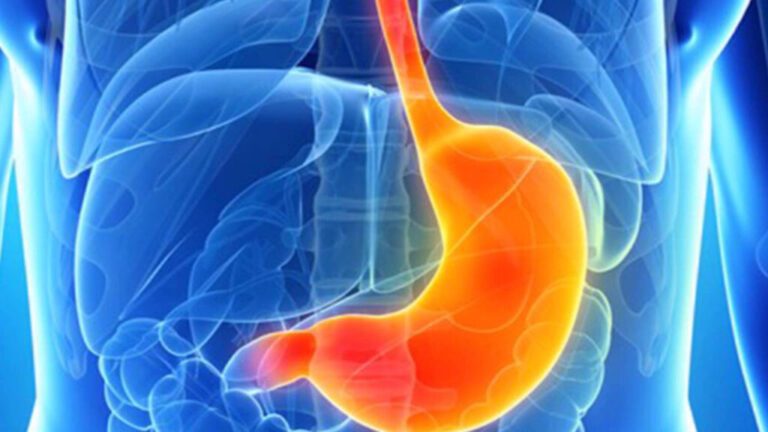
“Strengthening Gut Health for Enhanced Athletic Performance” seeks to educate and empower parents, caregivers, and healthcare professionals about the vital role gut health plays in the immune function of children. Crafted for accessibility and engagement, the content delivers precise information about the gut-immune connection, simplifying intricate concepts like the microbiome and dysbiosis. It also provides practical strategies and tips that parents can seamlessly incorporate into their daily routines, emphasizing familiar foods, enjoyable activities, and positive reinforcement. By equipping parents with knowledge and confidence, this article promotes proactive approaches to gut health, aiming to lay a solid foundation for long-term immunity and overall wellness in young athletes.
The Significance of Gut Health in Athletic Performance
As an athlete, pushing your body to its limits is part of the journey toward peak performance. However, one critical aspect of overall health that often goes unnoticed is gut health. The gastrointestinal tract, or gut, is responsible not only for digestion but also plays an essential role in immune function, nutrient absorption, and overall wellness. Recognizing the gut-immune connection and its influence on performance is vital for unlocking your athletic potential.
Exploring the Gut-Immune Connection
The gut and immune system are intricately linked, collaborating to maintain overall health. The gut houses trillions of microorganisms, collectively known as the gut microbiota. These microorganisms are crucial for immune function, helping to bolster the body’s defenses against harmful pathogens and regulating inflammation.
A balanced gut microbiota is necessary for a robust immune system. Conversely, an imbalance known as dysbiosis can weaken immune responses, increase vulnerability to infections, and lead to chronic inflammation. These factors can adversely affect athletic performance, highlighting the importance of prioritizing gut health.

How Gut Health Affects Overall Performance
Optimal gut health is essential for athletes striving for peak performance. Poor gut health can result in gastrointestinal issues such as bloating, cramping, and diarrhea, which can disrupt training and competition. Additionally, a compromised immune system due to imbalances in the gut microbiota can raise the risk of illness and infection, further hindering performance.
The gut also plays a crucial role in nutrient absorption and utilization. If the gut is not functioning optimally, nutrient absorption may suffer, resulting in decreased energy levels, slower muscle recovery, and diminished overall performance. Therefore, maintaining gut health is vital for enhancing athletic performance and supporting overall well-being.
Factors Influencing Gut Health in Athletes
Several factors can impact gut health in athletes. Understanding these elements can help you make informed decisions and implement effective strategies to optimize gut health.
Diet and Nutrition
Your dietary choices significantly influence gut health. Consuming a balanced diet rich in fiber, fruits, vegetables, lean proteins, and healthy fats provides the necessary nutrients to support gut health. Conversely, diets high in processed foods, refined sugars, and unhealthy fats can negatively affect the gut microbiota and contribute to inflammation.
Hydration and Fluid Balance
Proper hydration is vital for overall health and gut function. Dehydration can lead to constipation and hinder digestion, while adequate hydration supports regular bowel movements and maintains a healthy gut lining. Ensuring sufficient fluid intake, especially during intense training sessions, is essential for optimal gut health.

Stress and Mental Well-being
Stress can significantly impact gut health. The gut and brain are connected through the gut-brain axis, and stress can disrupt this connection, leading to symptoms such as abdominal pain, diarrhea, and altered bowel movements. Managing stress through techniques like meditation, deep breathing exercises, and mindfulness can support a healthy gut.
Exercise Intensity and Duration
While regular exercise benefits gut health, excessive intensity can have negative effects. Intense exercise may increase gut permeability and inflammation. Finding a balance in your exercise routine is crucial to support gut health without overexertion.
Nutrition Strategies for Optimal Gut Health
Providing your gut with the right nutrients is fundamental for maintaining gut health as an athlete. Consider the following nutrition strategies:
Balancing Macronutrients: Proteins, Carbohydrates, and Fats
A well-rounded diet that includes sufficient protein, carbohydrates, and healthy fats is crucial for supporting gut health. Protein aids in repairing and building tissues, including the gut lining. Carbohydrates provide energy for exercise, while healthy fats help reduce gut inflammation.
Micronutrients: Vitamins and Minerals for Gut Support
Incorporating a variety of fruits and vegetables ensures you obtain vital vitamins and minerals that support gut health. Key nutrients include vitamin A, vitamin C, vitamin E, zinc, magnesium, and selenium, which possess antioxidant properties and play a role in reducing inflammation and supporting immune function.
Fiber: The Role of Prebiotics
Including an adequate amount of dietary fiber is essential for a healthy gut. Fiber acts as a prebiotic, serving as food for beneficial bacteria in the gut microbiota. High-fiber foods such as whole grains, legumes, fruits, and vegetables promote regular bowel movements and enhance gut diversity.
Hydration Strategies for Gut Wellness
Proper hydration is critical for maintaining a healthy gut. Beyond drinking enough fluids, incorporating hydrating foods like water-rich fruits and vegetables can contribute to overall hydration. Additionally, limiting excessive intake of dehydrating substances such as alcohol and caffeine helps maintain optimal gut hydration.
Meal Timing: Pre- and Post-Exercise Nutrition
Timing your meals and snacks appropriately before and after exercise can significantly impact gut health. Consuming a balanced meal or snack containing carbohydrates, protein, and healthy fats a few hours before exercise provides the necessary nutrients for optimal performance. After exercise, replenishing these nutrients supports muscle recovery and gut health.
Managing Stress for Optimal Gut Function
Stress can negatively affect gut health. Implementing effective stress management techniques can help support a healthy gut and improve performance. Consider the following strategies:
The Gut-Brain Connection: Understanding Stress Effects
Understanding the gut-brain connection is essential for managing stress. Stress can alter gut motility, increase permeability, and disrupt the balance of gut microbiota. Being aware of the connection between stress and gut health is the first step in managing stress effectively.

Stress Reduction Techniques for Athletes
Incorporating stress reduction techniques into your routine can significantly impact gut health. Activities like meditation, deep breathing exercises, yoga, and mindfulness can help lower stress levels and support a healthy gut. Finding enjoyable activities that promote relaxation is key to effective stress management.
Prioritizing Rest and Recovery
Rest and recovery are crucial for managing stress and maintaining gut health. Overtraining and insufficient rest can elevate stress levels and negatively affect gut health. Including rest days in your training schedule and ensuring quality sleep can help reduce stress and support gut function.

Exercise’s Role in Gut Health
Exercise contributes to maintaining a healthy gut microbiota, but intense or prolonged exercise can also have negative effects. Understanding how exercise impacts your gut and implementing strategies to support gut health during training is essential for athletic performance.
Exercise-Induced Changes in Gut Microbiota
Regular exercise enhances the diversity and abundance of beneficial bacteria in the gut microbiota. Exercise fosters a favorable gut environment, characterized by an increase in short-chain fatty acids, which possess anti-inflammatory properties. However, extreme exercise, such as ultra-endurance events, can temporarily disrupt gut microbiota.
Effects of Different Exercise Types on Gut Health
Different types of exercise can have varying effects on gut health. High-intensity activities, particularly endurance exercises, may temporarily increase gut permeability and inflammation. In contrast, moderate-intensity exercise tends to have positive effects on gut health. Understanding how various exercise modalities impact your gut can help tailor your training routine effectively.
Strategies for Maintaining Gut Health During Intense Training
For those engaging in intense training or endurance activities, implementing strategies to preserve gut health is crucial. Gradually increasing training intensity allows the gut to adapt, while adequate hydration and nutrition during exercise are essential. Considering the supplementation of probiotics or prebiotics may also support a healthy gut microbiota.
Building a Resilient Gut Microbiome
Fostering a healthy gut microbiome is essential for athletes. Implement the following strategies to cultivate a resilient gut microbiome:
Probiotics: Beneficial Microorganisms for Gut Wellness
Probiotics are live microorganisms that provide health benefits when consumed in sufficient amounts. Including probiotic-rich foods such as yogurt, kefir, sauerkraut, and kimchi, or supplementing with probiotics can promote a healthy gut microbiota. When choosing a probiotic supplement, consider specific strains that have demonstrated efficacy in supporting gut health.
Prebiotics: Nourishing Beneficial Gut Bacteria
Prebiotics are dietary fibers that serve as fuel for beneficial gut bacteria. Consuming foods rich in prebiotics, such as garlic, onions, asparagus, and bananas, can support the growth and activity of beneficial bacteria in your gut microbiota. Including a variety of prebiotic-rich foods nourishes your gut microbiome.
Fermented Foods for Gut Wellness
Fermented foods, including yogurt, kefir, kombucha, and tempeh, contain beneficial bacteria and can contribute to a healthy gut microbiota. Incorporating diverse fermented foods in your diet introduces various strains of beneficial bacteria to your gut.
Avoiding Disruptors: Antibiotics and Proton Pump Inhibitors
Antibiotics and proton pump inhibitors (PPIs) can disrupt the balance of gut microbiota. While their use may be necessary in certain situations, it is vital to use them judiciously. If you must take antibiotics or PPIs, consider supplementing with probiotics and focusing on gut-supporting nutrition to mitigate their impact on gut health.
Maintaining a Diverse and Balanced Diet
A diverse and balanced diet is crucial for sustaining a healthy gut microbiota. Including a wide array of fruits, vegetables, whole grains, lean proteins, and healthy fats provides the necessary nutrients for your gut microbiota to thrive. Aim to consume a colorful variety of foods to nourish your gut with different types of fiber and nutrients.

Recovering from Gut Disruptions and Dysbiosis
Despite your best efforts, gut disruptions and dysbiosis may still occur. Recognizing the signs of imbalance or dysbiosis, taking steps to restore gut health, and seeking professional advice when necessary are crucial for recovery.
Identifying Gut Disruptions and Dysbiosis
Recognizing the symptoms of gut disruptions and dysbiosis is essential for prompt intervention. Symptoms may include gastrointestinal distress, such as abdominal pain, bloating, changes in bowel movements, and increased susceptibility to infections. If you experience persistent gut-related symptoms, consulting a healthcare professional for evaluation and diagnosis is advisable.
Restoring Gut Health: Steps and Strategies
Restoring gut health requires a comprehensive approach, including dietary and lifestyle modifications. Eliminating potential trigger foods, incorporating gut-supporting nutrition, and implementing stress reduction techniques can help restore balance within the gut microbiota. Collaborating with a healthcare professional, such as a registered dietitian or gastroenterologist, can provide personalized guidance and support.
Seeking Professional Guidance: The Role of Healthcare Professionals
When facing gut disruptions and dysbiosis, professional guidance is essential. Healthcare professionals, including registered dietitians, gastroenterologists, and integrative healthcare practitioners, can offer individualized recommendations tailored to your specific needs. They can help identify underlying causes, guide you in restoring gut health, and prioritize your overall well-being.
Supplements for Gut Health and Athletic Performance
While a well-balanced diet should form the foundation for gut health, certain supplements can further support gut health and athletic performance. Consider the following:
Probiotic Supplements: Selecting the Right Strains
Probiotic supplements can aid in restoring and maintaining a healthy gut microbiota. When choosing a probiotic supplement, seek specific strains that have been extensively studied and shown to support gut health. Aim for a supplement with a high number of viable cells, and consider consulting with a healthcare professional for personalized recommendations.
Additional Gut-Supporting Supplements
Several supplements can provide extra support for gut health and athletic performance. Examples may include digestive enzymes, omega-3 fatty acids, glutamine, and quercetin. Before incorporating any supplements into your routine, consulting with a healthcare professional is essential to ensure they align with your individual needs and goals.
Considerations for Athletes with Unique Dietary Needs
Athletes with specific dietary needs may require additional support for gut health. For instance, individuals following vegetarian or vegan diets should pay special attention to nutrient intake, particularly vitamin B12 and iron. Working with a registered dietitian who specializes in sports nutrition can help address specific dietary concerns and ensure optimal gut health.
Promoting Gut-Immune Health Through Lifestyle Choices
Beyond diet and supplementation, certain lifestyle choices profoundly impact gut-immune health. Consider the following practices to foster a healthy gut and robust immune system:
Prioritizing Sleep and Rest for Gut Health
Getting adequate sleep and rest is vital for overall health, including gut health. Poor sleep quality or insufficient sleep can disrupt gut function, compromise immune responses, and increase inflammation. Prioritize a consistent sleep schedule and aim for seven to nine hours of quality sleep each night to support gut health and athletic performance.
Reducing Gut Inflammation Through Dietary Choices
Chronic inflammation within the gut can adversely affect immune function and overall health. Making dietary choices that reduce inflammation, such as incorporating anti-inflammatory foods like fatty fish, berries, leafy greens, and turmeric, can support gut health and immune function. Minimizing processed foods, refined sugars, and unhealthy fats can also help mitigate gut inflammation.
Evaluating and Eliminating Stressors
Identifying and addressing stressors in your life is crucial for maintaining a healthy gut. Stress can contribute to gut symptoms and weaken immune function. Evaluate your lifestyle to identify sources of stress, such as work, relationships, or excessive training. Implement strategies to reduce or eliminate these stressors, and prioritize activities that promote relaxation and well-being.
Maintaining a Balanced Exercise Routine
Finding balance in your exercise routine is essential for gut health. While regular exercise supports a healthy gut microbiota, overtraining or excessive intensity can increase gut permeability and inflammation. Incorporate rest days, vary your exercise modalities, and listen to your body’s signals to avoid overexertion and promote gut health.
Consistency and Long-Term Habits
Maintaining gut health requires consistency and long-term habits. While short-term changes in diet or lifestyle may yield temporary benefits, prioritizing gut health as a long-term commitment is key to achieving lasting rewards. Make sustainable changes and adopt habits that prioritize your gut and immune health for the long haul.
Monitoring and Assessing Gut Health
Regular monitoring and assessment of gut health can help identify imbalances or disruptions early on, allowing for timely intervention. Consider the following approaches to monitor your gut health:
Recognizing Signs of Imbalance or Dysbiosis
Being aware of potential signs of gut imbalances or dysbiosis is important for taking appropriate action. Symptoms may include gastrointestinal distress, changes in bowel movements, nutrient deficiencies, and increased susceptibility to infections. If you experience persistent or concerning gut-related symptoms, consulting a healthcare professional for evaluation and guidance is recommended.

Seeking Professional Help: Gut Health Testing
Specialized gut health testing can provide valuable insights into the state of your gut microbiota and overall gut health. These tests can analyze the composition of your gut microbiota, check for markers of gut inflammation, and assess gut permeability. Working with a healthcare professional, such as a gastroenterologist or functional medicine practitioner, can help determine if gut health testing is appropriate for your situation.
Tracking Nutrition and Lifestyle Factors
Maintaining a journal to track nutrition and lifestyle factors can help identify patterns and triggers that may affect your gut health. Consider recording your dietary intake, exercise routines, stress levels, and any gut symptoms you experience. This information can be useful when seeking professional advice or monitoring changes in your gut health over time.
Prioritizing gut health is essential for optimizing athletic performance and overall well-being. Understanding the gut-immune connection, implementing strategies to support gut health through nutrition, stress management, and exercise, and seeking professional guidance when needed are vital for building a robust and resilient gut microbiome. By caring for your gut health, you invest in your athletic potential and long-term health as an athlete.