“Superhero Secrets: Engaging Children in Gut Health for Strong Immunity” serves as a crucial resource for parents and caregivers, emphasizing the significance of gut health in fostering a robust immune system in children. This article presents clear, practical information about the gut-immune relationship, including key concepts such as the microbiome and dysbiosis, in a manner that is easily understandable for those without a scientific background. It offers actionable strategies and fun activities to help instill healthy habits in children, empowering parents with knowledge and confidence to make informed choices that promote long-term immunity and overall health.
Understanding the Gut-Immune Connection in Children
What is the Gut-Immune Connection?
The gut-immune connection highlights the complex interplay between the gastrointestinal tract and the immune system. The gut serves as a barrier, lined with a diverse community of cells and beneficial bacteria, collectively known as the microbiome. This relationship is vital for the immune system, which protects the body from harmful pathogens like bacteria and viruses. Together, these systems work to maintain health and defend against illnesses.
The Role of Gut Health in Children’s Immune System
Gut health is paramount in reinforcing a child’s immune system. The microbiome, comprising trillions of microorganisms, plays a pivotal role in regulating immune responses and maintaining a healthy balance. Beneficial gut bacteria produce essential molecules that train and fortify the immune system, enabling it to effectively recognize and combat harmful invaders. Furthermore, the gut lining acts as a protective barrier, preventing harmful substances from entering the bloodstream.
How Gut Health Impacts Overall Well-being
A healthy gut significantly influences a child’s overall well-being. A balanced microbiome aids in digestion, enhances nutrient absorption, and even affects mood and behavior. Disruptions in gut health can lead to various health issues, including digestive disorders, allergies, obesity, and mental health challenges. By prioritizing gut health, parents can establish a solid foundation for their child’s long-term health and happiness.

The Microbiome: The Secret Team of Superheroes in Your Child’s Gut
What is the Microbiome?
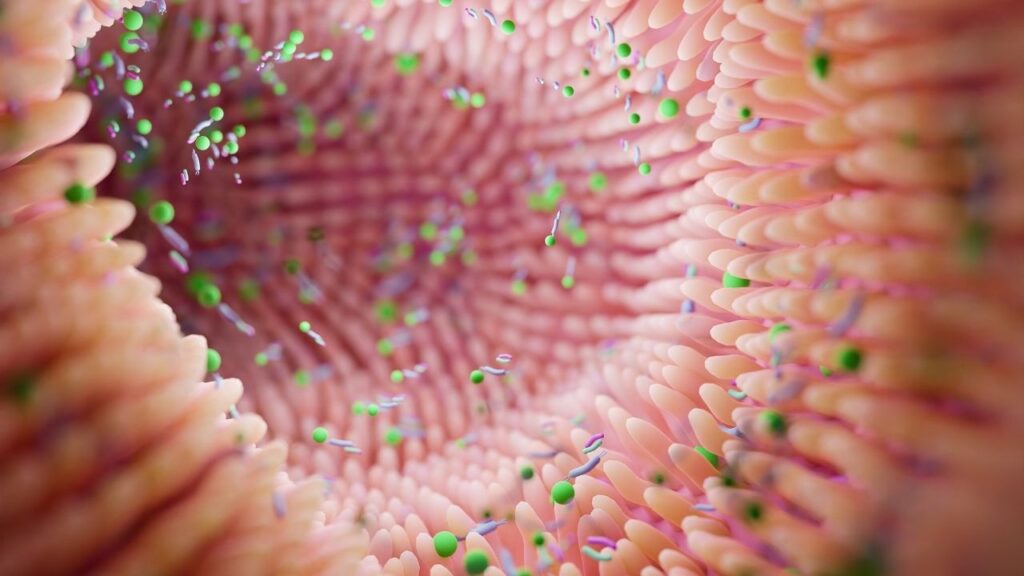
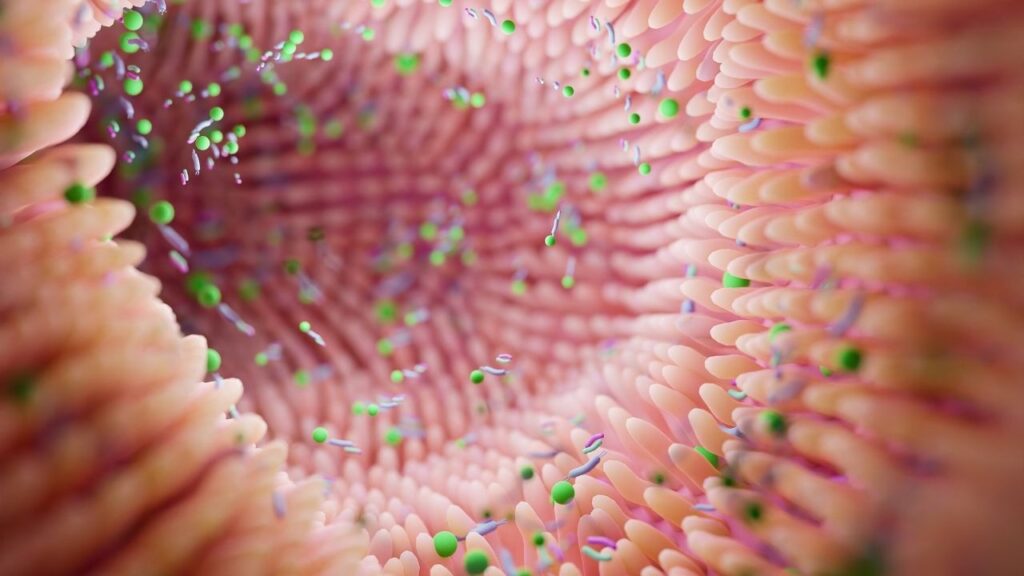
The microbiome represents the vast ecosystem of microorganisms residing in the gut, functioning like a team of superheroes dedicated to maintaining health and defending against harmful threats. This community includes bacteria, viruses, fungi, and other tiny organisms, most of which are beneficial and essential for various bodily functions.
Why the Microbiome is Important for Children’s Health
The microbiome is vital for children’s health as it regulates immune responses, aids digestion, produces essential vitamins, and protects against harmful pathogens. A diverse and balanced microbiome is linked to improved health outcomes, including a lower risk of allergies, asthma, and autoimmune diseases. By nurturing their child’s microbiome, parents can help strengthen their immune system and promote optimal health.
Factors Affecting the Microbiome in Children
Several factors can shape the composition and diversity of a child’s microbiome. The method of birth, whether vaginal or C-section, plays a significant role. Early feeding practices, such as breastfeeding or formula feeding, also impact microbiome development. Additionally, diet, antibiotic use, environmental influences, and genetics contribute to the microbiome’s makeup. Parents should be mindful of these factors and take steps to support a diverse and healthy microbiome.
Dysbiosis: When the Superheroes Go Rogue
What is Dysbiosis?
Dysbiosis refers to an imbalance in the gut microbiome, where harmful bacteria outnumber beneficial ones. This disruption can negatively impact a child’s health, affecting immune function, digestion, and overall well-being.
Causes and Signs of Dysbiosis in Children
Dysbiosis can stem from various factors, including a diet high in processed foods and sugars, prolonged antibiotic use, chronic stress, and exposure to environmental toxins. Signs of dysbiosis may include gastrointestinal issues like bloating, gas, diarrhea, or constipation, as well as skin problems such as eczema, and a weakened immune system leading to frequent illnesses.
The Impact of Dysbiosis on Children’s Immune Health
Dysbiosis can compromise the immune system, making children more vulnerable to infections. When harmful bacteria dominate, the immune system may struggle to function effectively, resulting in increased susceptibility to colds, flu, and other infections. Addressing dysbiosis and restoring balance in the microbiome can help bolster a child’s immune health and reduce illness risk.

Why Gut Health Matters for Strong Immunity
The Link Between Gut Health and Immune System
The gut and immune system are intricately linked, with a healthy gut being essential for a strong immune response. The gut houses the largest population of immune cells in the body, which communicate with the microbiome to maintain a balance between immune reactions and tolerance to harmless substances. A well-functioning gut helps regulate immune responses, preventing allergies and chronic inflammation.
How a Healthy Gut Promotes Strong Immunity
A healthy gut supports strong immunity by ensuring the proper functioning of immune cells and regulating responses. Beneficial gut bacteria produce antimicrobial substances, vitamins, and short-chain fatty acids that enhance immune function. They also train the immune system to recognize and respond to harmful pathogens effectively. Furthermore, a healthy gut lining acts as a barrier, preventing toxins and harmful substances from entering the bloodstream.

Preventing Common Childhood Illnesses with Good Gut Health
Prioritizing gut health can help prevent common childhood illnesses and reduce infection risks. A robust immune system, supported by a healthy gut, is better equipped to fend off pathogens and recover from illnesses quickly. By encouraging healthy habits and fostering a balanced microbiome, parents can equip their children with the tools needed to maintain their health year-round.
Practical Strategies for Building Healthy Habits
Setting a Foundation: Understanding Nutritional Needs for Gut Health
A balanced diet is fundamental for gut health. Parents should familiarize themselves with their children’s nutritional needs and ensure they consume a variety of foods that support a healthy microbiome. This includes fruits, vegetables, whole grains, lean proteins, and healthy fats, while limiting processed foods, sugars, and additives.
Creating a Balanced Diet for Your Child’s Gut Health
Introduce a variety of gut-friendly foods that nourish the microbiome. Include fiber-rich foods like whole grains, legumes, and fruits, which serve as energy sources for beneficial bacteria. Incorporate probiotic-rich foods such as yogurt, kefir, and fermented vegetables to introduce good bacteria into the gut. Encourage colorful fruits and vegetables, packed with essential nutrients and antioxidants. Additionally, super seeds like chia and flaxseeds, along with omega-3-rich foods like fatty fish, can further support gut health.
The Importance of Regular Physical Activity
Regular physical activity is vital not only for strong muscles and bones but also for gut health. Exercise promotes healthy digestion, reduces inflammation, and supports a diverse microbiome. Encourage your child to engage in enjoyable physical activities, such as biking, swimming, or dancing, aiming for at least 60 minutes of moderate to vigorous exercise daily.
The Role of Sleep in Supporting a Healthy Gut
Quality sleep is essential for a healthy gut and immune system. Insufficient sleep can disrupt gut bacteria balance, increase inflammation, and impair immune function. Establish a consistent sleep routine, ensuring your child gets adequate rest for their age. Create a calming environment, limit screen time before bed, and encourage relaxing habits like reading to promote quality sleep.

Superhero Foods: Enhancing Gut Health with Everyday Ingredients
Fiber-Rich Foods: The Superheroes’ Energy Source
Fiber serves as the energy source for gut health superheroes, promoting regular bowel movements and preventing constipation while nourishing beneficial gut bacteria. Include a range of fiber-rich foods in your child’s diet, such as whole grains, legumes, fruits, and vegetables. Encourage experimentation with new foods and recipes to make fiber intake enjoyable.
Probiotic Powerhouses: Adding Good Bacteria to Your Child’s Diet
Probiotics are beneficial bacteria that can enhance gut health. Found in foods like yogurt, kefir, sauerkraut, and kimchi, these probiotic powerhouses can be easily incorporated into your child’s diet. Consult a healthcare professional before starting any supplements.
Colorful Fruits and Vegetables: Packed with Superhero Nutrients
Colorful fruits and vegetables are rich in essential nutrients and antioxidants that support gut health. Encourage your child to consume a variety of fruits and vegetables, including berries, oranges, leafy greens, and bell peppers. These nutrient-dense foods nourish the gut and bolster the immune system.
Super Seeds: Tiny Powerhouses for Gut Health
Super seeds like chia, flax, and hemp seeds are packed with nutritional benefits for gut health. Rich in fiber and omega-3 fatty acids, these seeds can be sprinkled on yogurt, added to smoothies, or incorporated into baked goods to enhance the gut-friendly properties of meals.
Mighty Omega-3s: Supporting a Healthy Gut and Immune System
Omega-3 fatty acids are essential for gut and immune health. Include omega-3-rich foods in your child’s diet, such as fatty fish like salmon and plant-based sources like chia seeds and walnuts. Omega-3s possess anti-inflammatory properties and help maintain gut lining integrity, supporting overall gut health and immune function.
Fun and Engaging Activities to Promote Gut Health
Gut-Friendly Recipes for the Whole Family to Enjoy
Cooking together can be a delightful way to promote gut health. Look for recipes that feature wholesome, fiber-rich ingredients and probiotics. Involve your child in the cooking process, allowing them to measure, mix, and decorate. Exploring new flavors and cuisines can foster a positive attitude towards healthy eating and create lasting family memories.
Superhero Yoga: Poses and Movements to Support Gut Health
Yoga is an excellent activity to promote gut health and overall well-being. Certain poses can stimulate digestion and reduce stress. Create a superhero-themed yoga routine with your child, incorporating poses like “Super Stretch” and “Mighty Twist.” This interactive approach can strengthen your bond while instilling healthy habits.
Garden Adventures: Growing Your Child’s Connection with Nature
Engaging with nature through gardening positively impacts gut health. Encourage your child to participate in garden activities, such as planting herbs or vegetables. Gardening allows hands-on interaction with soil, rich in beneficial bacteria that support a healthy microbiome. This experience fosters an appreciation for nature while nurturing gut health.
Creative Crafts: Making Gut-Healthy Snack Containers
Get creative by designing and decorating containers for gut-healthy snacks. Help your child create colorful containers for fruits, veggies, and homemade trail mixes. This engaging activity reinforces the importance of nutritious snacks while instilling a sense of ownership and excitement about healthy eating.

The Power of Positive Reinforcement
Creating a Positive Environment for Healthy Habits
Fostering a positive environment is essential for encouraging healthy habits in children. Celebrate small achievements and commend their efforts in maintaining gut health. Focus on their willingness to try new foods or commit to regular physical activity, creating a supportive space that encourages healthy habits as a natural part of their daily life.
Reward Systems: Encouraging and Motivating Your Child
Implementing a reward system can effectively motivate your child to maintain healthy habits. Consider creating a superhero-themed reward chart where they can earn stickers for completing tasks that support their gut health, such as eating colorful fruits and vegetables or engaging in physical activity. Set achievable goals and offer small rewards for reaching milestones, ensuring the focus remains on the intrinsic value of healthy habits.
Celebrating Achievements in Gut Health
Recognizing your child’s achievements in gut health reinforces the importance of their efforts. Celebrate milestones with special family meals or outings, acknowledging their commitment and progress. Celebrating achievements boosts confidence and establishes a foundation for lifelong healthy habits.
Support from Healthcare Professionals: Tips for Effective Communication
Choosing a Healthcare Provider for Gut-Immune Health
Selecting the right healthcare provider is crucial for your child’s gut-immune health. Look for a pediatrician or dietitian experienced in pediatric gut health. Seek recommendations and consider their approach to preventive care. A provider who communicates effectively with you and your child can address concerns and provide valuable guidance.
Questions to Ask Your Pediatrician or Dietitian
Prepare a list of questions to ensure effective communication with your healthcare provider. Consider asking:
- What are the signs of a healthy gut in children?
- How can I support my child’s gut health through diet and lifestyle?
- Are there specific foods or supplements that can help restore microbiome balance?
- What symptoms should I watch for that may indicate dysbiosis or other gut issues?
- How can I encourage healthy habits without creating stress?
- Can you recommend resources for further information?
These questions will enhance your understanding of your child’s gut health and foster a productive partnership with your healthcare provider.
Working Together: Collaborating with Healthcare Professionals
Collaboration with healthcare professionals is essential in promoting your child’s gut-immune health. Share any concerns or observations regarding your child’s gut health with their pediatrician or dietitian. Provide comprehensive information about their diet, lifestyle, and any symptoms. Together, you can develop a tailored plan to support gut health, monitor progress, and make necessary adjustments. Regular communication will ensure alignment in optimizing your child’s gut-immune health.
Engaging children in gut health for strong immunity reveals the superhero potential within their bodies. Understanding the gut-immune connection, nurturing the microbiome, and addressing dysbiosis are vital for children’s well-being and long-term health. By implementing practical strategies, incorporating superhero foods, participating in fun activities, and fostering positive reinforcement, parents can empower their children to take charge of their gut health. Effective communication with healthcare professionals further strengthens this journey, ensuring parents have the knowledge and support needed for informed decision-making. Together, let’s unveil the superhero secrets of gut health and empower children to harness their inner strength for optimal immunity and well-being.