In recent years, the human microbiome has garnered significant attention in health research. This complex community of trillions of microorganisms, particularly located in our gut, plays a crucial role in various health aspects, including digestion, metabolism, immune function, and even mental health. While genetics and environmental factors shape our microbiome, diet stands out as a modifiable element that significantly influences its composition and functionality. This guide aims to highlight the best foods that support a healthy microbiome, enabling readers to make informed dietary choices for enhanced gut health and overall wellness.
Fiber-Rich Foods: Essential for Gut Health
Fiber is fundamental to a gut-friendly diet, providing vital nutrients for both humans and beneficial bacteria in our digestive system. There are two primary types of dietary fiber: soluble fiber, which dissolves in water to form a gel-like substance, and insoluble fiber, which adds bulk to stool and promotes regular bowel movements. By incorporating a variety of fiber-rich foods into your meals, you can foster the growth and diversity of beneficial gut bacteria. Whole grains such as oats, barley, quinoa, and brown rice; fruits like apples, berries, bananas, and oranges; and vegetables including broccoli, spinach, kale, carrots, and Brussels sprouts are excellent sources of dietary fiber that nourish your microbiome and enhance digestive health.
Fermented Foods: A Source of Probiotics
Fermented foods are celebrated for their probiotic content, which consists of live beneficial bacteria that provide numerous health benefits when consumed. Including fermented foods in your diet can help restore and maintain a diverse population of beneficial gut bacteria, supporting optimal digestive function and boosting immune health. Foods such as yogurt, kefir, sauerkraut, kimchi, miso, and tempeh are rich in probiotics and can be enjoyed as snacks or integrated into meals. These tasty options not only support your microbiome but also add variety to your diet.
Prebiotic Foods: Nourishing Your Gut Microbiota
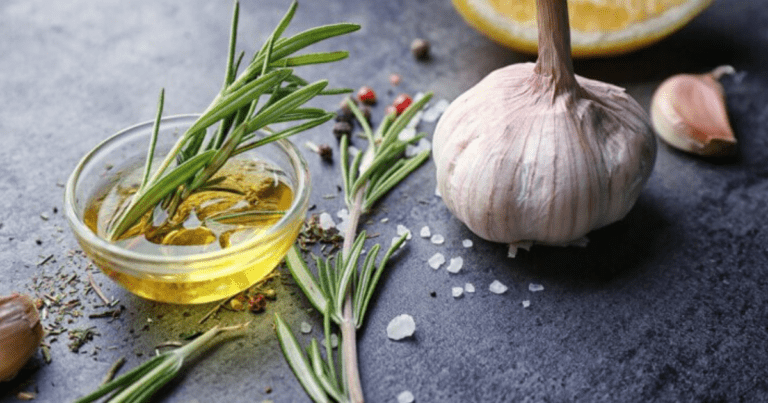
Prebiotics are non-digestible fibers that serve as food for beneficial bacteria in the gut, promoting their growth and activity. Including prebiotic-rich foods in your diet creates an environment conducive to the thriving of beneficial gut bacteria, thus supporting a healthy microbiome. Foods such as garlic, onions, leeks, asparagus, Jerusalem artichokes, chicory root, and dandelion greens are excellent sources of prebiotics that can nourish your gut microbiota and contribute to overall digestive wellness.
Polyphenol-Rich Foods: Nature’s Antioxidants
Polyphenols are plant compounds renowned for their antioxidant properties, which benefit both human health and the gut microbiome. These bioactive compounds exhibit anti-inflammatory effects and may help maintain a diverse and balanced microbial community in the gut. Berries such as blueberries, strawberries, and raspberries are rich in polyphenols, as are dark chocolate, green tea, red wine (in moderation), apples, and flaxseeds. Incorporating polyphenol-rich foods into your diet not only supports your microbiome but also provides a variety of flavorful and nutritious options.
Omega-3 Fatty Acids: Supporting Gut Health and More
Omega-3 fatty acids, particularly those found in fatty fish and certain plant sources, are recognized for their anti-inflammatory properties and potential benefits for gut health. By including omega-3-rich foods in your diet, you can help maintain a healthy balance of gut bacteria and reduce inflammation in the digestive tract. Fatty fish like salmon, mackerel, sardines, and trout, along with flaxseeds, chia seeds, and walnuts, are excellent sources of omega-3 fatty acids that support your gut microbiome and contribute to overall wellness.
Dietary Diversity: A Multifaceted Approach to Nutrition
Beyond focusing on specific food types, dietary diversity plays a vital role in promoting a healthy and resilient microbiome. Consuming a wide range of fruits, vegetables, whole grains, legumes, nuts, seeds, and other nutrient-dense foods ensures that you provide your gut microbiome with diverse substrates for growth and development. Experimenting with various cuisines, flavors, and cooking methods can help expand your culinary horizons while nourishing your microbiome and enhancing overall nutritional intake.
Minimizing Processed Foods and Added Sugars: Protecting Gut Health
While certain foods support a healthy microbiome, others can disrupt the delicate balance of gut bacteria and contribute to inflammation and digestive issues. Processed foods high in refined sugars, unhealthy fats, and artificial additives can undermine gut health and affect overall well-being. Reducing your intake of sugary snacks and beverages, processed meats, fast food, and foods containing artificial additives and preservatives can help maintain the integrity of your gut microbiome and promote optimal digestive function.
Fostering a Healthy Microbiome for Lifelong Wellness
Nurturing a thriving microbiome is essential for promoting optimal health and wellness throughout life. By incorporating fiber-rich foods, fermented foods, prebiotics, polyphenol-rich foods, omega-3 fatty acids, and maintaining dietary diversity, you can support a diverse and resilient gut microbiome that contributes to overall health and vitality. Additionally, minimizing processed foods and added sugars helps protect gut health and maintain the delicate balance of beneficial bacteria. Making informed dietary choices and adopting a holistic approach to nutrition empowers you to cultivate a healthy microbiome and embark on a path toward lifelong wellness.