Recent scientific research highlights the gut microbiome as a vital aspect of human health and disease understanding. The complex relationship between our bodies and the trillions of microorganisms residing in our gastrointestinal tract has transformed biomedical research, challenging established beliefs and redefining wellness. This article delves into the intricate world of the gut microbiome, emphasizing its importance, the factors that influence its diversity, and methods to leverage its potential for improved health and vitality.
Understanding the Gut Microbiome: A Microbial Ecosystem
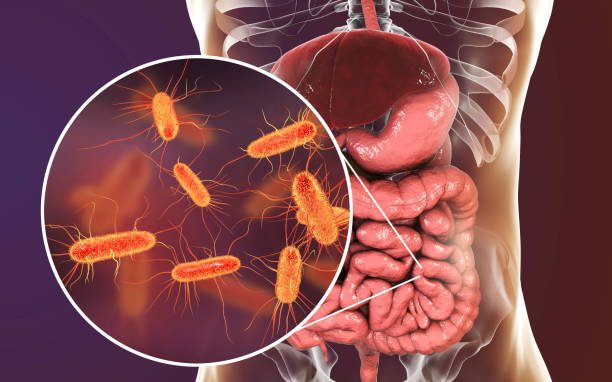
At the core of our digestive system resides a thriving community of microorganisms known as the gut microbiome. This diverse ecosystem, consisting of bacteria, viruses, fungi, and archaea, plays a crucial role in numerous biochemical processes essential for our health. These microorganisms are not merely passive inhabitants; they are active participants in our bodily functions, affecting digestion, metabolism, immune response, and even mental health.
The Gut Microbiome’s Role in Digestive Health
The gut microbiome is integral to maintaining digestive health. Within this vibrant microbial community, specialized bacteria possess the ability to break down complex carbohydrates, ferment fibers, and metabolize substances that our digestive enzymes cannot handle. This collaboration enhances nutrient absorption and promotes healthy gut motility, ensuring regular bowel movements. Disruptions in this delicate ecosystem can lead to various gastrointestinal issues, including irritable bowel syndrome (IBS), inflammatory bowel disease (IBD), and dyspepsia.
The Immune System’s Defender: The Gut Microbiome
Beyond its digestive functions, the gut microbiome plays a protective role for the immune system. It significantly influences the development and functioning of immune cells located in the gut-associated lymphoid tissue (GALT). Through complex signaling mechanisms, gut microbes help train immune cells to differentiate between beneficial and harmful substances, preparing them to respond effectively to threats while maintaining tolerance to non-threatening antigens. An imbalance in gut bacteria, known as dysbiosis, can disrupt this equilibrium, increasing the risk of autoimmune diseases, allergies, and recurrent infections.
Energy Regulation: The Metabolic Influence of Gut Microbes
Recent studies have underscored the gut microbiome’s critical involvement in energy metabolism and weight management. Certain bacterial strains within this ecosystem can extract energy from dietary components that our bodies cannot digest, thereby influencing how we store and utilize energy. Additionally, gut microbes produce bioactive compounds that can affect appetite, insulin sensitivity, and fat metabolism. Disruptions in this metabolic communication have been linked to obesity, insulin resistance, and metabolic syndrome.
The Gut-Brain Connection: Understanding the Neurological Impact
Interestingly, the gut microbiome’s effects extend beyond the digestive system, impacting the communication network between the gut and the brain, known as the gut-brain axis. Through a complex interplay of neural, hormonal, and immune signals, gut microbes can influence brain function and behavior, affecting mood, cognition, and stress responses. Alterations in this connection have been associated with various neuropsychiatric conditions, including depression, anxiety, and neurodegenerative disorders.
Utilizing the Gut Microbiome for Health Promotion and Disease Prevention
With an enhanced understanding of the gut microbiome’s extensive implications, researchers are investigating novel strategies to utilize this microbial ecosystem for health enhancement and disease prevention. Probiotics, which are live microorganisms believed to confer health benefits, have gained attention for their ability to restore microbial balance and alleviate gastrointestinal disorders. Prebiotics, which are non-digestible fibers that nourish beneficial gut bacteria, present another effective approach to fostering a resilient gut environment.
Building a Healthy Gut Microbiome: Practical Steps
As research continues to grow, nurturing a healthy gut microbiome becomes essential for overall wellness. Individuals can take proactive steps through dietary choices, lifestyle adjustments, and careful medication use to support their microbial allies and improve health outcomes. A diverse, plant-based diet rich in fiber, fermented foods, and phytonutrients can enhance microbial diversity and resilience, establishing a foundation for digestive health and metabolic balance.
Future Directions: Advancing Microbial Medicine
As we advance in microbiome research, the potential for the gut microbiome to transform healthcare is immense. From personalized probiotics tailored to individual microbial profiles to innovative fecal microbiota transplantation (FMT) techniques, the therapeutic possibilities are vast. By uncovering the mysteries of our microbial partners and harnessing their therapeutic potential, we may pave the way for new health paradigms and healing methodologies for future generations.
The Multifaceted Role of Gut Microbes in Health
- Digestive Health: The gut microbiome aids in breaking down complex carbohydrates, fiber, and other indigestible compounds, facilitating nutrient absorption and promoting regular bowel movements. Imbalances in the gut microbiota can lead to digestive disorders like irritable bowel syndrome (IBS), inflammatory bowel disease (IBD), and gastroenteritis.
- Immune Function: A significant portion of the body’s immune cells resides in the gut-associated lymphoid tissue (GALT). Gut microbes help regulate immune responses, training immune cells to distinguish between harmless and harmful substances. Dysbiosis has been linked to autoimmune diseases, allergies, and susceptibility to infections.
- Metabolism and Weight Regulation: Evidence suggests that gut microbes influence energy metabolism and weight regulation. Certain bacteria may affect calorie extraction from food, fat storage, and appetite regulation. Imbalances in the gut microbiome have been associated with obesity and metabolic disorders.
- Mental Health and Brain Function: The gut-brain axis, a communication network between the gut and the central nervous system, plays a crucial role in mental health. Gut microbes produce neurotransmitters like serotonin, influencing mood, cognition, and behavior. Alterations in the gut microbiota have been linked to mood disorders such as depression and anxiety.
- Disease Prevention and Management: A balanced gut microbiome is associated with a lower risk of various chronic diseases, including cardiovascular disease, type 2 diabetes, and certain cancers. Probiotics, prebiotics, and other interventions aimed at modulating the gut microbiota show promise in disease prevention and management.
Factors Affecting the Gut Microbiome
- Diet: Diet is a significant determinant of gut microbiome composition. A diet rich in fiber, fruits, vegetables, and fermented foods promotes microbial diversity and a healthy gut environment. Conversely, a diet high in processed foods, sugar, and saturated fats can alter gut microbial composition, leading to inflammation and dysbiosis.
- Lifestyle: Factors such as exercise, stress, sleep patterns, and exposure to environmental toxins influence the gut microbiome. Regular physical activity promotes microbial diversity, while chronic stress and sleep disturbances can disrupt the gut-brain axis and alter microbial composition.
- Antibiotics and Medications: Antibiotics can disrupt the gut microbiome by killing beneficial bacteria along with pathogens. Other medications, such as proton pump inhibitors (PPIs) and nonsteroidal anti-inflammatory drugs (NSAIDs), may also impact gut microbial balance.
- Early Life Experiences: Gut microbial colonization begins at birth, influenced by the mode of delivery (vaginal birth versus cesarean section) and early feeding practices (breastfeeding versus formula feeding). Early microbial exposures have lasting effects on immune development and disease susceptibility.
Strategies for Supporting a Healthy Gut Microbiome
- Diversify Your Diet: Consume a varied diet rich in fiber, whole grains, fruits, vegetables, and fermented foods like yogurt, kefir, sauerkraut, and kimchi to promote microbial diversity.
- Limit Processed Foods and Sugar: Reduce intake of processed foods, sugary snacks, and sweetened beverages to maintain gut microbial balance and minimize inflammation.
- Incorporate Probiotic and Prebiotic Foods: Include probiotic foods like yogurt, kefir, and kombucha to introduce beneficial bacteria. Prebiotic foods such as garlic, onions, leeks, bananas, and asparagus nourish beneficial gut microbes.
- Manage Stress: Engage in stress-reducing techniques such as mindfulness, meditation, deep breathing exercises, and regular physical activity to support a healthy gut-brain axis.
- Avoid Unnecessary Antibiotics: Use antibiotics judiciously and only when prescribed. Consider probiotic supplementation during and after antibiotic treatment to restore gut balance.
- Prioritize Sleep: Aim for 7-9 hours of quality sleep per night to support immune function, hormone regulation, and overall gut health.
The gut microbiome represents a complex and dynamic ecosystem with significant implications for human health. Its influence extends beyond digestion to immune function, metabolism, mental health, and disease prevention. By understanding the factors that shape the gut microbiome and adopting lifestyle habits that support its health, individuals can harness the power of their microbial allies to optimize well-being. Embracing a gut-friendly diet, managing stress, ensuring adequate sleep, and minimizing unnecessary antibiotic use are essential steps toward cultivating a thriving gut microbiome and achieving holistic health.