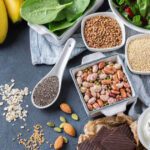
Micronutrients refer to essential vitamins and minerals that the body cannot synthesize on its own. These vital substances play a crucial role in various bodily functions, from disease prevention to maintaining overall health.
Globally, micronutrient deficiencies are widespread, particularly in low-income regions. Fortunately, consuming fortified and enriched foods can significantly mitigate these deficiencies, ensuring better health outcomes.
The Impact of Micronutrient Deficiency
Deficiencies in micronutrients can lead to numerous health and economic challenges, including stunted growth, weakened immune response, impaired cognitive function, and heightened susceptibility to diseases. Such deficiencies can worsen pre-existing health issues and diminish the effectiveness of medical treatments.
To function optimally and prevent illness, the body relies on a range of vitamins and minerals. These nutrients are naturally present in a variety of foods, including fruits, vegetables, grains, dairy products, and proteins. A diverse diet is the best approach to ensure adequate intake of all essential micronutrients.
Currently, around 2 billion individuals worldwide suffer from vitamin and mineral deficiencies, primarily in low- and middle-income countries. Historically, efforts to combat these deficiencies have focused on supplementation programs. However, relying solely on supplements is unlikely to sustainably improve nutritional status in vulnerable populations. Instead, food-based strategies that promote the production and consumption of nutrient-rich foods, both through natural means and fortification, are essential.
Natural Sources of Micronutrients
Micronutrients, including vitamins and minerals, are abundant in natural foods such as fruits, vegetables, meats, fish, legumes, nuts, whole grains, and dairy. Nutrients derived from food sources are generally more bioavailable than those from supplements, making a diet rich in diverse, micronutrient-dense foods the optimal choice.
Since the body cannot produce most vitamins and minerals, obtaining them through diet is crucial. The essential nutrients include fat-soluble vitamins (A, D, and K), water-soluble vitamins, macrominerals, and trace minerals.
Deficiencies in these nutrients can manifest in various symptoms. For instance, a lack of fresh fruits and vegetables can lead to scurvy, a condition historically recognized by British sailors. To combat scurvy, they utilized cod liver oil and consumed eggs, milk, and vegetables. Consequently, fortifying staple foods with vital micronutrients is a strategic approach to address deficiencies, though caution is necessary, as excessive fortification can sometimes compromise the overall nutrient density of foods, especially those high in sugar or saturated fats.
The Role of Supplements
Many individuals turn to multivitamins, which typically contain a blend of micronutrients. While these can be beneficial, they should not replace a balanced diet. Supplements often fail to deliver the recommended amounts of certain nutrients, such as calcium, due to size constraints of the pills. Additionally, these products are formulated for various age groups and genders.
Research indicates that micronutrients are vital for immune function. For example, vitamins A and zinc have demonstrated efficacy in reducing diarrhea among AIDS patients while improving CD4 counts, quality of life, and body weight.
Alongside a balanced diet, fortified foods like golden rice—genetically modified to be rich in beta-carotene—can enhance vitamin and mineral intake in impoverished areas. There is growing interest in biofortification to boost the nutrient content of crops. However, the benefits of this approach remain unclear, necessitating clinical trials to compare the impact of improved dietary intake against supplementation.
The Importance of Iron
Iron is a critical micronutrient necessary for numerous bodily functions, particularly in the formation of healthy red blood cells that transport oxygen. Insufficient iron intake can result in anemia.
Iron deficiency is prevalent, especially among women, children, and adolescents. The demand for iron peaks during early infancy and adolescence due to rapid growth phases.
Commonly, hemoglobin and hematocrit levels are assessed to screen for iron deficiency. While these measurements indicate hemoglobin concentration in the blood, serum ferritin is a more sensitive indicator of low iron levels.
Food labels provide information on the iron content of servings, and the U.S. Department of Agriculture’s FoodData Central allows for nutrient content searches of specific foods. However, it’s essential to recognize that the Daily Value (DV) for iron in supplements (such as ferrous sulfate, ferrous fumarate, and ferrous gluconate) differs from the elemental amount of the nutrient, which can lead to confusion when interpreting Supplement Facts labels.
If you missed our previous article, you can check it out here:
https://www.buildabettergut.com/how-does-dtap-prevent-pertussis/