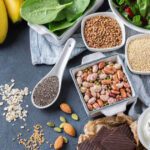
Adopting a nutritious diet plays a significant role in alleviating symptoms associated with ulcerative colitis and enhancing colon health. It’s equally vital to steer clear of specific foods that may provoke symptoms, including gluten, dairy, and eggs.
Your healthcare provider can suggest a tailored approach combining medications and lifestyle adjustments to effectively manage your condition. Medications like immunomodulators, which influence your immune system, such as 6-mercaptopurine and azathioprine, may be part of your treatment plan.
What is Collagenous Colitis?
Collagenous colitis is a condition characterized by inflammation of the colon’s lining, leading to diarrhea. This disorder is believed to be autoimmune, meaning the immune system mistakenly attacks healthy tissues instead of fighting infections.
Typically, it affects the rectum and the lower section of the large intestine, although it can extend throughout the entire colon. Women are more frequently diagnosed with this condition than men.
Doctors can identify collagenous colitis through a thorough examination and by inquiring about your symptoms. They may also recommend blood tests and stool samples to detect inflammation and other potential issues.
Understanding Colitis as an Autoimmune Disease
Autoimmune diseases occur when the immune system malfunctions and attacks the body’s own tissues. In the case of ulcerative colitis (UC), this results in inflammation of the large intestine, also known as the colon. Patients may experience alternating periods of mild or absent symptoms, termed remissions, and severe symptom episodes, which can include blood and mucus in the stool.
UC arises when the immune system confuses healthy gut bacteria for harmful invaders, leading to inflammation and ulceration of the colon lining. This condition can cause diarrhea that persists for days or weeks, starting in the rectum and potentially affecting the entire colon.
Diet Considerations for Colitis
Colitis results in a red and swollen lining of the colon, often accompanied by diarrhea. The condition may stem from infections caused by bacteria and viruses or from certain medications like NSAIDs.
Several foods can trigger symptoms in individuals with colitis, including spicy dishes, fatty foods, and dairy products. Avoiding these items can help manage symptoms effectively.
The optimal diet for colitis is low in fiber and rich in fluids. Incorporating foods high in Omega-3 fatty acids can also be beneficial for managing symptoms.
Cholangitis and Its Relation to Colitis
Various medications are available to assist individuals suffering from ulcerative colitis. Most of these treatments aim to reduce inflammation in the colon lining, facilitating healing and symptom relief. A healthcare provider can customize a treatment plan based on each patient’s specific needs.
Some patients experience long periods of remission with few or no symptoms, while others may endure frequent episodes of bloody diarrhea, left-sided abdominal pain, and an urgent need to defecate, known as flare-ups or relapses.
Factors that may elevate the risk of developing ulcerative colitis include being male and having a family history of the condition. It is more prevalent among individuals of Caucasian descent and those of Ashkenazi Jewish heritage.
Does Collagen Cause Diarrhea?
Individuals with ulcerative colitis often have sores in their large intestine, which can lead to symptoms such as bloody diarrhea and cramping. Other common symptoms include abdominal pain and bloating.
The condition is thought to result from an overactive immune system that misidentifies healthy tissue as foreign, prompting inflammation. Certain medications can help mitigate damage by suppressing immune system activity.
A healthcare provider can diagnose UC through stool samples and blood tests to identify signs of inflammation. A lower GI series may also be conducted, utilizing a barium solution to enhance visibility of the colon and small intestine during X-ray imaging.
The Serious Nature of Collagenous Colitis
Ulcerative colitis is a chronic disorder that impacts the lining of the large intestine. It falls under the category of inflammatory bowel diseases, alongside Crohn’s disease. The inflammation results from the immune system attacking the cells of the colon. While it typically begins in the rectum and lower colon, it can progressively affect the entire colon over time.
This condition can be severe, resulting in abdominal pain, cramping, and watery diarrhea that may contain blood and pus. Symptoms can vary in frequency and intensity, sometimes being persistent and other times receding.
Impact of Collagenous Colitis on the Immune System
Collagenous colitis is a serious condition that necessitates treatment. It can lead to severe diarrhea, resulting in dehydration and weight loss, as well as blood in the stool and abdominal discomfort.
In this condition, the immune system erroneously targets healthy food, beneficial gut bacteria, and the cells lining the colon. White blood cells, typically responsible for fighting infections, mistakenly attack the colon’s lining, causing inflammation and ulcers.
Diagnosis often involves an examination of the large intestine using an endoscope or colonoscope, alongside blood tests to check for irregularities.
For further reading, check out our previous article on kids’ cough medicine.