Achieving a well-balanced gut flora is vital for overall health and wellness. The complex ecosystem of microorganisms, known as the gut microbiome, significantly influences various health aspects, such as digestion, immune responses, mental health, and weight regulation. By recognizing the importance of a diverse and balanced microbial community, we can implement strategies to support gut health effectively. This article discusses practical approaches and tips for maintaining balanced gut flora to enhance overall well-being.
Understanding the Gut Microbiome
The gut microbiome comprises a vast array of microorganisms residing in our digestive system. This community includes bacteria, viruses, fungi, and other microbes that play essential roles in our health. Research increasingly highlights the gut microbiome’s importance, linking it to critical physiological functions such as digestion, immune response, metabolism, and mental health.
Recent advancements in microbiome research have provided insights into its composition and functionality. Each person’s gut microbiome is unique, shaped by genetics, diet, lifestyle, and environmental factors. Estimates suggest that an average adult’s gut hosts trillions of microorganisms, creating a dynamic and diverse ecosystem.
Understanding the gut microbiome’s complexities is crucial for recognizing its health implications. By studying its composition and interactions, researchers and healthcare professionals can discover ways to optimize gut health and potentially prevent or treat various health conditions.
Probiotics and Prebiotics: Key Players in Gut Health
Probiotics and prebiotics are essential for maintaining a healthy gut. Probiotics are live microorganisms that, when consumed in sufficient quantities, offer health benefits. Common sources include fermented foods like yogurt, kefir, sauerkraut, and kimchi, as well as probiotic supplements.

These beneficial bacteria help maintain a balanced gut microbiome by inhibiting harmful pathogens, reinforcing the gut barrier, and regulating immune responses. Certain probiotic strains have been extensively studied for their effectiveness in alleviating digestive disorders, including irritable bowel syndrome (IBS) and inflammatory bowel disease (IBD).
Conversely, prebiotics are non-digestible fibers that serve as food for beneficial gut bacteria. They stimulate the growth and activity of these bacteria without being absorbed by the body. Foods rich in prebiotics include garlic, onions, bananas, asparagus, and whole grains.
Incorporating both probiotics and prebiotics into your diet can foster a healthy gut by nurturing beneficial bacteria. However, their effectiveness can vary based on individual factors and specific strains used.
The Gut-Brain Connection: Exploring the Mind-Body Link
The gut-brain axis represents a bidirectional communication pathway between the gut and the central nervous system. This complex interaction involves the gut microbiota, the intestinal lining, the immune system, and the brain, facilitating ongoing communication and influence between these systems.
Emerging studies suggest that the gut microbiome can affect brain function and behavior, leading to the concept of the “microbiota-gut-brain axis.” Communication occurs through various mechanisms, including neurotransmitter production, immune regulation, and stress response modulation.

Dysbiosis, or an imbalance in the gut microbiome, has been associated with mental health disorders such as anxiety and depression. Conversely, psychological stress can disrupt gut microbiome composition, potentially contributing to gastrointestinal issues.
Understanding the gut and mental health connection opens avenues for therapeutic interventions. Strategies like probiotic supplementation, dietary changes, and stress reduction techniques may improve mental health outcomes by positively influencing the gut-brain axis.
Foods That Promote Gut Health
Diet plays a pivotal role in supporting a healthy gut. Consuming a variety of nutrient-rich foods can help maintain a diverse and balanced gut microbiome, enhancing its functions.
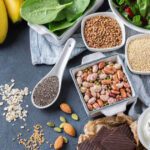
Fiber-rich foods are particularly beneficial, serving as fuel for beneficial bacteria. High-fiber options include whole grains, legumes, fruits, vegetables, and nuts. These foods provide essential vitamins, minerals, and antioxidants that support overall health.
Fermented foods are also excellent for gut health. Fermentation introduces beneficial bacteria, resulting in probiotic-rich options like yogurt, kefir, sauerkraut, kimchi, and miso, which can help maintain a diverse gut microbiome.

Incorporating prebiotic-rich foods is equally important. Garlic, onions, leeks, asparagus, bananas, and whole grains nourish beneficial gut bacteria, promoting their growth and activity.
While specific foods can enhance gut health, adopting an overall balanced and varied diet is essential. For those struggling to include enough probiotic-rich foods, supplements may be an option, but it is advisable to consult a healthcare professional before starting any supplementation.
Understanding Leaky Gut Syndrome
Leaky Gut Syndrome, or increased intestinal permeability, occurs when the intestinal barrier becomes overly permeable, allowing toxins, undigested food particles, and bacteria to enter the bloodstream. This can trigger immune responses and lead to various health issues.
The exact causes of Leaky Gut Syndrome are not fully understood, but factors such as chronic inflammation, dysbiosis, poor diet, chronic stress, and certain medications may contribute to its development.
Symptoms can vary widely and may include digestive issues like bloating and gas, as well as systemic symptoms like fatigue and skin rashes. Diagnosing Leaky Gut Syndrome can be challenging due to overlapping symptoms with other conditions.

Managing Leaky Gut often involves a multifaceted approach. Eliminating trigger foods, such as gluten and processed foods, can help alleviate symptoms. Incorporating gut-healing foods like bone broth and fermented items may also provide relief.
In addition to dietary changes, managing stress, getting sufficient sleep, and regular exercise can support gut healing. Probiotic supplementation, under professional guidance, may also enhance gut health.
Stress Management for Gut Health
The relationship between stress and gut health is well-documented. Stress can disrupt gut microbiome balance, compromise the gut barrier, and trigger inflammation, contributing to various gastrointestinal disorders.
It is essential to manage stress to promote gut health. Here are several strategies to mitigate stress’s impact on the digestive system:
- Practice mindfulness and relaxation techniques: Activities like meditation, deep breathing, and yoga can activate the body’s relaxation response, reducing stress hormones.
- Engage in regular physical activity: Exercise has been shown to lower stress levels and improve mood, supporting both mental and physical health.
- Prioritize adequate sleep: Aim for 7-9 hours of quality sleep each night to support overall well-being and effective stress management.
- Adopt healthy coping mechanisms: Instead of resorting to unhealthy habits, find constructive ways to manage stress, such as hobbies or social connections.
- Implement time management and organization: Effective time management can reduce feelings of overwhelm and stress.
- Build social support: Strong social connections provide valuable support during stressful times.
Incorporating these strategies into your daily routine can help maintain a healthy gut and overall well-being. If stress becomes overwhelming, seeking professional help is advisable.
Insights into Inflammatory Bowel Diseases
Inflammatory Bowel Diseases (IBD), including Crohn’s disease and ulcerative colitis, are chronic conditions characterized by gastrointestinal inflammation. These disorders can cause debilitating symptoms and significantly impact quality of life.
Crohn’s disease can affect any part of the digestive tract, leading to symptoms like abdominal pain, diarrhea, and fatigue. While there is no cure, it can be managed through medication, dietary changes, and lifestyle adjustments.
Ulcerative colitis primarily affects the colon and rectum, causing symptoms such as bloody diarrhea and abdominal pain. Treatment options include medications, dietary modifications, and, in some cases, surgery.
The exact causes of IBD remain unclear, but genetic, environmental, and immune factors are believed to play a role. Immune system dysregulation significantly contributes to the development and progression of these conditions.
Managing IBD often requires a multidisciplinary approach, involving gastroenterologists, dietitians, and other healthcare professionals. Treatment may include anti-inflammatory medications, immunosuppressants, and biologic therapies.
The Connection Between Gut Health and the Immune System
The gut and immune system share a complex relationship. The gut plays a crucial role in immune function, while the immune system helps regulate the gut microbiome’s balance.
A significant portion of the body’s immune system resides in the gut, with specialized immune cells dispersed throughout the intestinal lining. These cells help identify harmful pathogens while tolerating beneficial bacteria.
A healthy gut microbiome is vital for proper immune system development and function. Beneficial gut bacteria stimulate immune responses, helping the body distinguish between harmful and harmless substances. Dysbiosis can disrupt this balance and lead to immune-related disorders.
Conversely, the immune system regulates the growth of beneficial bacteria and controls harmful pathogens. A compromised immune system can increase susceptibility to infections and autoimmune conditions.
To promote gut health and support immune function, consume a diverse range of plant-based foods rich in fiber and antioxidants. Regular exercise, stress management, and adequate sleep also contribute to a healthy gut and immune system.
Maintaining a Diverse Gut Flora
Supporting a diverse and balanced gut microbiome is essential for wellness. The composition of the gut microbiome can be influenced by diet, lifestyle, and environment. Here are some tips to promote a healthy gut flora:
- Consume a diverse range of plant-based foods: Incorporate various fruits, vegetables, whole grains, legumes, and nuts into your diet to support the growth of beneficial bacteria.
- Include fermented foods: Regularly consume yogurt, kefir, sauerkraut, kimchi, and miso to introduce beneficial bacteria into your gut.
- Avoid processed and refined foods: Limit sugary snacks and fast food, which can negatively affect gut health.
- Minimize antibiotic use: Use antibiotics only when prescribed and follow healthcare professionals’ instructions.
- Manage stress: Incorporate stress management techniques into your routine to support gut health.
- Engage in regular physical activity: Aim for at least 150 minutes of moderate-intensity exercise each week.
- Prioritize sleep: Ensure you get 7-9 hours of quality sleep each night.
- Consider probiotic supplements: Consult with a healthcare professional to determine if supplementation is appropriate for you.
- Use antimicrobial agents sparingly: Avoid excessive use of antibacterial products that can disrupt gut balance.
By adopting these practices, you can support a diverse and balanced gut flora, contributing to overall health and well-being.
The Role of Gut Health in Weight Management
The gut microbiome influences various metabolic processes, including energy extraction and appetite regulation. Research indicates that gut microbiome composition and diversity can impact body composition and weight management.
Studies show that individuals with higher gut bacteria diversity generally maintain healthier body weights. In contrast, lower diversity is linked to metabolic disorders and weight gain.
Beneficial gut bacteria produce short-chain fatty acids (SCFAs) from dietary fiber fermentation, which can regulate appetite and enhance fat metabolism. Additionally, certain bacteria are more efficient at extracting energy from food, leading to increased calorie absorption.
Maintaining a healthy gut microbiome through a balanced diet is essential for effective weight management. Consuming a variety of plant-based foods rich in fiber and nutrients helps promote a beneficial gut microbiome. Regular exercise, stress management, and adequate sleep also support a healthy weight.
Since the gut microbiome varies among individuals, its impact on weight management can differ. Factors such as genetics and lifestyle also play a role. Consulting with a healthcare professional or registered dietitian can provide personalized guidance based on individual needs.
By focusing on gut health and adopting a holistic approach to weight management, you can enhance your body composition and overall health.