Inflammatory Bowel Diseases (IBD), including Crohn’s disease and ulcerative colitis, are complex conditions that impact millions globally. These disorders cause chronic inflammation in the digestive tract, leading to significant discomfort and health complications. This article provides an extensive exploration of IBD, covering its causes, symptoms, diagnosis, treatment options, and the latest research advancements.
Identifying the Causes of Inflammatory Bowel Diseases
The origins of Inflammatory Bowel Diseases are multifaceted, involving genetic predispositions, environmental influences, and autoimmune responses.
Genetic Influences
Research indicates that genetic variations can heighten the risk of developing IBD. Specific genes have been linked to Crohn’s disease and ulcerative colitis, the two primary forms of IBD. Additionally, a family history of these conditions increases an individual’s likelihood of diagnosis.
Environmental Factors
Environmental elements, such as dietary habits, infections, and exposure to certain chemicals, may trigger or worsen IBD symptoms. For instance, smoking is associated with a higher risk of Crohn’s disease, whereas a diet high in fat and low in fiber may contribute to ulcerative colitis.
Autoimmune Mechanisms
IBD is thought to arise from an abnormal immune response in genetically susceptible individuals. The immune system mistakenly attacks the digestive tract lining, leading to persistent inflammation and the symptoms characteristic of these diseases.

Types of Inflammatory Bowel Diseases
IBD encompasses several conditions, primarily Crohn’s disease, ulcerative colitis, and indeterminate colitis.
Crohn’s Disease
Crohn’s disease can affect any part of the gastrointestinal tract, from the mouth to the anus. It is characterized by patchy inflammation that can penetrate deep into the bowel wall layers. Symptoms vary based on the affected area and severity of the condition.
Ulcerative Colitis
Ulcerative colitis primarily impacts the colon and rectum, causing continuous inflammation limited to the inner lining. Common symptoms include abdominal pain, diarrhea, and rectal bleeding.
Indeterminate Colitis
Indeterminate colitis refers to cases where it is challenging to definitively categorize the inflammation as Crohn’s disease or ulcerative colitis. Further tests and monitoring are typically required for a conclusive diagnosis.
Recognizing Symptoms of IBD
Symptoms of Inflammatory Bowel Diseases can vary widely among individuals, often fluctuating in intensity. Common symptoms include:
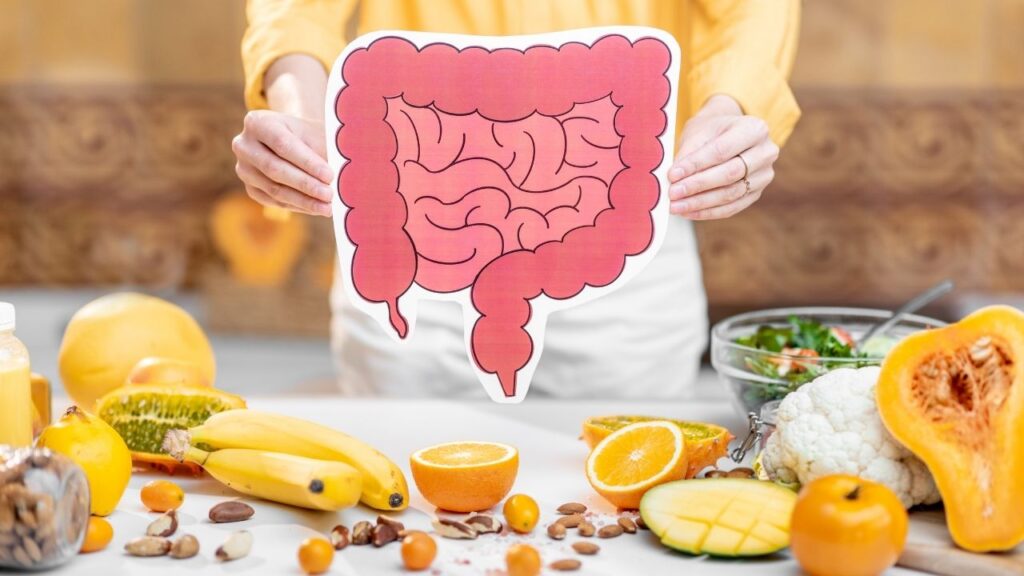
Abdominal Pain
Inflammation and ulceration in the digestive tract can lead to abdominal discomfort, with the pain’s intensity and location varying based on the type and extent of inflammation.
Diarrhea
Chronic inflammation disrupts normal water absorption in the intestines, resulting in diarrhea. The frequency and consistency of bowel movements can differ from person to person.
Bloody Stools
Blood in the stool is often associated with inflammation and ulceration in the colon and rectum, particularly in ulcerative colitis cases.
Weight Loss
Persistent inflammation can hinder nutrient absorption, leading to unintentional weight loss in affected individuals.
Fatigue
Chronic fatigue is common in IBD patients, often linked to the body’s inflammatory response and anemia caused by ongoing bleeding or malnutrition.

Loss of Appetite
Inflammation can diminish appetite, contributing to weight loss and nutrient deficiencies.
Fever
Fever may occur during active inflammation and can accompany other signs of infection or inflammation.
Diagnosing Inflammatory Bowel Diseases
A comprehensive diagnosis of IBD involves evaluating symptoms, medical history, and various diagnostic tests.
Medical History Assessment
Your healthcare provider will gather information about your symptoms, family history of IBD, and other relevant factors.
Physical Examination
A physical exam may reveal signs of abdominal inflammation, such as tenderness or swelling, alongside other symptoms like weight loss or joint pain.
Blood Tests
Blood tests can assess inflammation markers, such as C-reactive protein (CRP) and erythrocyte sedimentation rate (ESR), as well as check for nutritional deficiencies or autoimmune markers.
Stool Tests
Stool samples can provide insights into the presence of blood, infection, or inflammation in the digestive tract, including testing for fecal calprotectin, a marker of intestinal inflammation.
Endoscopy Procedures
Endoscopic techniques, such as upper endoscopy or sigmoidoscopy, allow visualization of the digestive tract to assess inflammation and detect abnormalities.
Colonoscopy
A colonoscopy offers a thorough examination of the colon and rectum, enabling tissue sample collection for further analysis.
Biopsy Analysis
During endoscopic procedures, biopsies may be taken from inflamed areas to confirm inflammatory changes and distinguish between Crohn’s disease and ulcerative colitis.
Treatment Strategies for Inflammatory Bowel Diseases
Managing Inflammatory Bowel Diseases focuses on reducing inflammation, alleviating symptoms, and fostering remission. Treatment options may include:
Medications
Medications are vital for IBD management, including anti-inflammatory drugs, immune suppressants, antibiotics, and biologic therapies targeting specific inflammatory pathways.
Dietary Adjustments
Making dietary changes, such as avoiding trigger foods or adopting a low-residue diet, can help alleviate symptoms. Consulting a registered dietitian specializing in IBD can provide personalized dietary guidance.
Nutritional Supplements
In some instances, nutritional supplements may be necessary to address deficiencies and support digestive health. These can include specialized formulas or essential vitamins and minerals.
Lifestyle Changes
Implementing lifestyle modifications can complement medical treatments. Strategies such as stress management, regular exercise, and sufficient sleep can contribute to overall well-being.
Surgical Interventions
Surgery may be required in severe cases of IBD, involving the removal of damaged sections of the digestive tract or the creation of an ileostomy or colostomy.
Managing Flare-Ups in Inflammatory Bowel Diseases
Flare-ups, characterized by heightened disease activity, are common in IBD. Effective management strategies include:
Identifying Triggers
Maintaining a symptom diary can help pinpoint specific triggers that exacerbate symptoms or lead to flare-ups, such as certain foods, stress, or infections.
Stress Management Techniques
Stress can worsen IBD symptoms. Employing stress management strategies, such as deep breathing, mindfulness, or therapy, can help reduce disease activity.
Medication Adjustments
During flare-ups, it may be necessary to modify medication regimens. Your healthcare provider may suggest increasing the dosage of current medications or adding new ones to manage symptoms effectively.
Dietary Modifications
During flare-ups, adopting a temporary, easily digestible, low-fiber diet can help mitigate symptoms. In severe cases, a liquid diet may be recommended to allow the digestive tract to rest.
Monitoring Symptoms
Regularly tracking symptoms and communicating changes to your healthcare provider is vital for effective IBD management, helping to identify patterns and assess treatment efficacy.
Potential Complications of Inflammatory Bowel Diseases
IBD can lead to various complications, some requiring additional medical attention. These complications may include:
Intestinal Strictures
Chronic inflammation can cause narrowing of the intestines, known as strictures, which may necessitate surgical intervention to relieve obstruction.
Fistulas
IBD can result in abnormal connections, or fistulas, between different parts of the digestive tract or between the digestive tract and other organs. Surgical treatment may be required.
Abscess Formation
Abscesses, or pus-filled pockets, can develop in the digestive tract due to infection, necessitating drainage and antibiotic treatment.
Malnutrition Risks
Chronic inflammation and nutrient malabsorption can lead to malnutrition, requiring nutritional interventions and careful monitoring.
Joint Inflammation
IBD can be associated with arthritis, necessitating a multidisciplinary approach to manage both bowel disease and related joint symptoms.
Anemia Concerns
Chronic bleeding and nutrient deficiencies can lead to anemia, requiring iron supplementation and management of underlying causes.
Increased Colon Cancer Risk
Individuals with long-standing IBD face a heightened risk of colon cancer. Regular surveillance, such as colonoscopies, is essential for early detection and intervention.
Supportive Therapies for Inflammatory Bowel Diseases
Alongside medical treatments, supportive therapies can enhance the management of IBD. These may include:
Psychological Counseling
Living with IBD can be emotionally taxing. Psychological counseling can assist individuals in coping with the disease’s impact, managing stress, and improving overall mental health.
Support Groups
Participating in support groups or connecting with others facing similar challenges can foster a sense of community and provide emotional support. Sharing experiences can be invaluable in managing the disease.
Complementary and Alternative Therapies
Some individuals may find relief through complementary therapies, such as acupuncture or yoga. It’s essential to discuss these options with a healthcare professional before integrating them into a treatment plan.
Physical Therapy
Physical therapy can benefit individuals with IBD, particularly those experiencing joint pain or muscle weakness. Therapists can provide exercises and techniques to improve mobility and alleviate discomfort.
Living Well with Inflammatory Bowel Diseases
Managing life with IBD necessitates a proactive approach to self-care and adherence to medical advice. Key considerations include:
Nutritional Guidelines
Maintaining a balanced diet tailored to individual needs is vital for managing IBD. Incorporating gut-friendly foods rich in fiber and probiotics can be beneficial, while others may need to avoid specific trigger foods.
Physical Activity
Regular exercise can help mitigate inflammation, enhance mood, and support overall health. Low-impact activities, such as walking or swimming, are often recommended, but it’s important to consult a healthcare provider about exercise plans.
Stress Management
Managing stress is crucial, as it can aggravate IBD symptoms. Techniques such as relaxation exercises, mindfulness, or engaging in enjoyable activities can help maintain stress levels.
Regular Health Check-Ups
Routine check-ups with a healthcare provider are essential for monitoring disease activity, assessing treatment effectiveness, and making necessary adjustments. Regular screenings for complications, such as colonoscopies, should follow the healthcare provider’s recommendations.
Prioritizing Self-Care
Engaging in self-care activities, such as ensuring adequate sleep, practicing good hygiene, and maintaining a healthy work-life balance, is crucial for individuals with IBD. Prioritizing physical and emotional well-being can significantly enhance disease management and quality of life.
Research and Future Directions
Ongoing research continues to deepen our understanding of IBD and leads to innovative treatment options. Key areas of focus include:
Current Research Findings
Numerous studies are investigating various aspects of IBD, including the gut microbiome’s role, environmental influences, and the efficacy of new medications. Staying informed about the latest research can provide insights into breakthrough findings and their potential impact on disease management.
Emerging Treatment Options
Advancements in medication and therapy are continually evolving. New drug classes and biologic treatments are being developed to target specific inflammatory pathways, potentially enhancing outcomes for individuals with IBD.
Impact of Gut Microbiome
The gut microbiome, consisting of trillions of microbes in the digestive tract, plays a crucial role in the development and progression of IBD. Understanding this relationship may lead to novel treatment and prevention strategies.
Innovative Future Therapies
Researchers are exploring various potential therapies for IBD, including fecal microbiota transplantation (FMT), stem cell therapies, and gene therapies. These pioneering approaches hold promise for transforming how we manage these diseases.
Inflammatory Bowel Diseases are intricate conditions requiring a multidisciplinary approach for effective diagnosis and management. Understanding genetic, environmental, and autoimmune factors is vital for appropriate treatment strategies. Recognizing symptoms and obtaining timely diagnoses can significantly impact patient outcomes. Treatment encompasses medications, dietary changes, lifestyle adjustments, nutritional supplements, and, in some cases, surgical interventions. Effectively managing flare-ups involves identifying triggers, practicing stress management, and adjusting dietary and medication regimens. Awareness of potential complications, such as strictures and malnutrition, is crucial for timely interventions. Supportive therapies, including psychological counseling and physical therapy, can enhance medical treatment. Living with IBD requires adherence to dietary recommendations, regular exercise, stress management, and consistent healthcare check-ups. Ongoing research continues to advance our understanding of IBD, paving the way for more effective treatment options in the future.