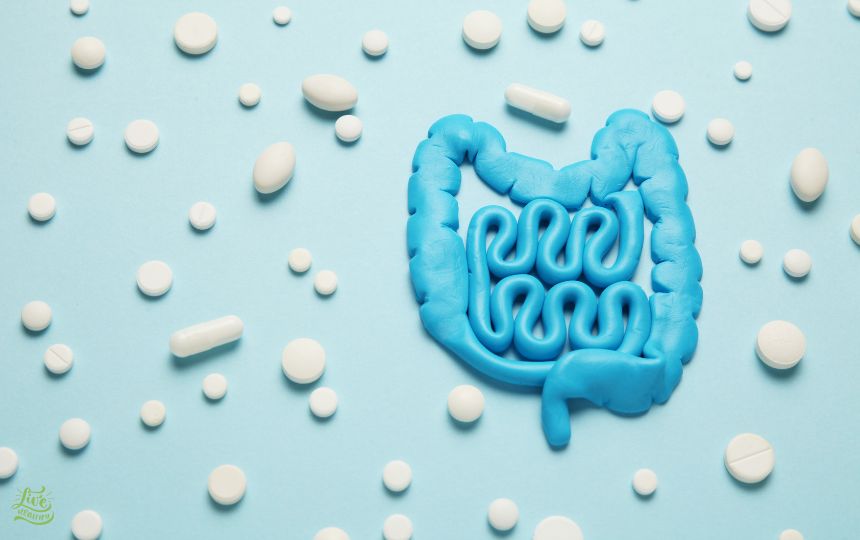
The human gut hosts a complex ecosystem of microorganisms known as the gut microbiota. This diverse community plays a vital role in maintaining our health, influencing processes such as digestion, nutrient absorption, immune function, and even mental health. Among the various factors that can disrupt the delicate balance of the gut microbiota, antibiotics are particularly noteworthy. While antibiotics have transformed modern medicine by effectively treating bacterial infections, their widespread use can significantly alter the composition and function of gut bacteria, leading to various health issues.
Understanding Gut Microbiota
Before examining the impact of antibiotics, it’s essential to understand the fundamental role of gut microbiota. Comprising trillions of bacteria, fungi, viruses, and other microorganisms, the gut microbiota forms a dynamic ecosystem that coexists with the human host. This microbial community performs several critical functions, including:
- Digestion and Nutrient Metabolism: Gut bacteria assist in breaking down complex carbohydrates, proteins, and fats, facilitating nutrient and energy absorption from food.
- Immune Regulation: The gut microbiota interacts with the immune system, helping train immune cells and maintain a balanced inflammatory response.
- Protection Against Pathogens: Beneficial bacteria compete with harmful pathogens for resources and produce antimicrobial compounds, thereby preventing infections.
- Synthesis of Vitamins and Neurotransmitters: Certain gut bacteria synthesize essential vitamins (e.g., vitamin K, B vitamins) and neurotransmitters (e.g., serotonin, dopamine) that support various physiological processes.
How Antibiotics Affect Gut Bacteria
Antibiotics are medications specifically designed to target and eliminate bacteria or inhibit their growth. While they can be life-saving when used appropriately to treat bacterial infections, their broad-spectrum activity can disrupt the delicate balance of gut microbiota. Here are some key ways antibiotics impact gut bacteria:
- Reduction in Microbial Diversity: Antibiotics can kill both harmful and beneficial bacteria, leading to decreased microbial diversity. This reduction may allow opportunistic pathogens to flourish, increasing the risk of infections such as Clostridium difficile (C. difficile) colitis.
- Dysbiosis: Dysbiosis refers to an imbalance in gut microbiota composition, characterized by a decrease in beneficial bacteria and an overgrowth of potentially harmful species. Antibiotic-induced dysbiosis can persist for weeks to months after completing antibiotic therapy, compromising gut health.
- Disruption of Metabolic Functions: Gut bacteria play a crucial role in metabolizing dietary components and producing metabolites that influence host physiology. Antibiotics can disrupt these metabolic functions, affecting nutrient absorption, energy metabolism, and the production of short-chain fatty acids (SCFAs), essential for colon health.
- Immune Dysregulation: The gut microbiota is pivotal in educating the immune system and maintaining immune balance. Antibiotic-induced changes in gut microbiota can disrupt this balance, leading to immune dysregulation and increased susceptibility to infections, as well as the potential development of autoimmune or inflammatory conditions.
- Long-Term Health Implications: Emerging research indicates that antibiotic-induced disruptions in gut microbiota during critical developmental periods, such as infancy and early childhood, may have lasting health consequences. Changes in gut microbiota composition during these formative stages have been linked to an increased risk of obesity, allergic diseases, inflammatory bowel diseases (IBD), and metabolic disorders later in life.
Strategies to Support Gut Health After Antibiotic Use
While antibiotics are essential for treating bacterial infections, there are steps to minimize their impact on gut health:
- Probiotic Supplementation: Probiotics are beneficial bacteria that can help restore microbial balance in the gut after antibiotic therapy. Choosing probiotic strains with proven efficacy and ensuring adequate dosage and duration of supplementation are vital for optimal results.
- Incorporating Prebiotics: Prebiotics are non-digestible dietary fibers that serve as food for beneficial gut bacteria, promoting their growth and activity. Consuming prebiotic-rich foods such as fruits, vegetables, whole grains, and legumes can support the restoration of a healthy gut microbiota.
- Postbiotic Interventions: Postbiotics are bioactive compounds produced by beneficial gut bacteria during fermentation. These compounds possess various health-promoting properties, including immunomodulatory effects and maintenance of gut barrier integrity. Including postbiotic-rich foods such as fermented dairy products (e.g., yogurt, kefir) and fermented vegetables (e.g., sauerkraut, kimchi) in the diet can enhance gut health.
- Practicing Antibiotic Stewardship: Responsible antibiotic use and adherence to evidence-based prescribing guidelines are essential for minimizing unnecessary antibiotic exposure and reducing the risk of antibiotic-related complications, including disruption of gut microbiota.
The gut microbiota plays a fundamental role in human health, and its intricate relationship with antibiotics highlights the significance of preserving microbial balance for overall well-being. While antibiotics have revolutionized the treatment of bacterial infections, their indiscriminate use can result in various health issues, including dysbiosis and immune dysregulation. By implementing strategies to mitigate the effects of antibiotics on gut bacteria and promoting responsible antibiotic use, we can work towards maintaining the delicate harmony of the gut microbiota and safeguarding human health for future generations.