Recent studies have highlighted the significant impact of the microbiome on overall health and well-being. This intricate ecosystem, comprised of trillions of microorganisms that inhabit various parts of the human body, plays a vital role in numerous physiological functions, including digestion, metabolism, immune response, and even mental health. Achieving a balanced microbiome is essential for fostering health and preventing illness. This detailed guide examines the microbiome’s composition, factors that influence its balance, and scientifically supported strategies to promote microbiome health.
Understanding the Microbiome
The microbiome consists of bacteria, viruses, fungi, and other microorganisms that occupy different areas of the body, with particular emphasis on the gut microbiome due to its profound health implications. The gut microbiome is crucial for:
- Digestion and Nutrient Absorption: Specific bacteria in the gut assist in breaking down complex carbohydrates and fibers that human digestive enzymes cannot process. This fermentation produces short-chain fatty acids (SCFAs) such as acetate, propionate, and butyrate, which provide energy for the gut lining and possess anti-inflammatory properties.
- Immune Regulation: The gut microbiome closely interacts with the immune system, influencing the development and function of immune cells while maintaining immune balance. Beneficial gut bacteria enhance the production of anti-inflammatory cytokines and suppress excessive inflammation, offering protection against autoimmune diseases and infections.
- Metabolism and Weight Management: Emerging research indicates that gut microbiome composition affects energy metabolism, nutrient absorption, and fat storage. Dysbiosis, or imbalance in the microbiome, has been linked to obesity, insulin resistance, and other metabolic disorders.
- Neurotransmitter Production: The gut-brain axis, a communication network between the gut and the central nervous system, significantly impacts mood, cognition, and behavior. The gut microbiome synthesizes neurotransmitters like serotonin, dopamine, and gamma-aminobutyric acid (GABA), which influence brain function and emotional health.
Factors Affecting Microbiome Balance
Several factors can disrupt the delicate equilibrium of the microbiome, leading to dysbiosis and increased vulnerability to health issues. These factors include:
- Dietary Habits: The microbiome’s composition is heavily influenced by dietary choices. Diets high in processed foods, sugars, and saturated fats promote the growth of harmful bacteria, while diets rich in fiber, fruits, vegetables, and fermented foods support beneficial bacteria.
- Use of Antibiotics and Medications: Antibiotics are crucial for treating infections but can also eliminate beneficial gut bacteria, leading to dysbiosis. Other medications, such as proton pump inhibitors (PPIs) and nonsteroidal anti-inflammatory drugs (NSAIDs), may also alter microbiome composition.
- Stress and Mental Health: Chronic stress, anxiety, and depression can negatively affect the gut microbiome, leading to immune dysfunction and gastrointestinal issues. Conversely, practices like meditation and relaxation techniques can positively impact microbiome health by reducing stress.
- Environmental Influences: Exposure to toxins, pollutants, and chemicals can disrupt microbiome balance and reduce microbial diversity. Factors such as urbanization and lifestyle changes can also contribute to altered gut microbiota.
- Lifestyle Choices: Habits like smoking, excessive alcohol intake, lack of physical activity, and poor sleep can adversely affect the microbiome. Adopting healthier lifestyle practices is vital for maintaining microbiome health.
Strategies for Achieving Microbiome Balance
Maintaining a balanced microbiome requires a comprehensive approach addressing dietary, lifestyle, and environmental factors. Here are evidence-based strategies to support microbiome health:
- Dietary Changes:
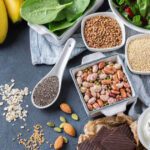
- Diverse Food Intake: Incorporate a wide range of whole, plant-based foods, including fruits, vegetables, legumes, whole grains, nuts, seeds, and fermented items. Aim for a colorful variety to ensure a broad spectrum of nutrients that promote microbial diversity.
- Increase Fiber Consumption: Dietary fiber acts as a prebiotic, encouraging the growth of beneficial gut bacteria. Aim for 25-30 grams of fiber daily from sources like oats, legumes, fruits, and vegetables.
- Include Fermented Foods: Foods such as yogurt, kefir, sauerkraut, and kimchi contain probiotics that help restore and maintain a healthy gut flora. Regularly adding these foods to your diet can enhance microbial diversity.
- Probiotic Supplements:
- Select Quality Probiotics: When choosing probiotic supplements, look for products with a variety of bacterial strains, including Lactobacillus and Bifidobacterium. Ensure the product has a high CFU count and is supported by scientific research.
- Consult Healthcare Professionals: Before starting probiotic supplementation, speak with a healthcare provider or registered dietitian to find the most suitable strains and dosages for your specific health needs.
- Limit Sugar and Processed Foods:
- Reduce Added Sugars: Cut back on sugary drinks, desserts, and processed foods high in added sugars, which can foster harmful bacteria in the gut.
- Avoid Artificial Sweeteners: Stay away from artificial sweeteners, which may disrupt microbiome balance. Opt for natural alternatives like stevia or small amounts of honey.
- Support Gut Barrier Function:
- Incorporate Collagen-Rich Foods: Foods like bone broth and fish skin are rich in collagen, which helps maintain gut lining integrity and function.
- Include Gut-Healing Foods: Consume foods that promote gut health, such as fermented vegetables and glutamine-rich foods like beef and eggs.
- Manage Stress and Mental Well-Being:
- Practice Stress Reduction: Engage in activities like mindfulness meditation and yoga to lower stress levels, which can positively affect the gut microbiome.
- Prioritize Quality Sleep: Aim for 7-9 hours of restful sleep each night to support immune function and gut health.
- Seek Professional Help: If experiencing chronic stress or mental health issues, consider consulting a mental health professional for guidance.
- Encourage Physical Activity:
- Stay Active: Regular exercise can positively influence gut microbiome composition. Aim for at least 150 minutes of moderate-intensity exercise weekly.
- Enjoy Outdoor Activities: Spending time in nature can enhance gut microbiome diversity and improve mental well-being.
- Optimize Digestive Health:
- Support Digestive Enzymes: Incorporate foods like pineapple and papaya that support digestive enzymes, or consider enzyme supplements to aid nutrient absorption.
- Identify Food Sensitivities: Work with a healthcare provider to identify and manage food sensitivities that may contribute to digestive issues.
- Maintain Hydration and Gut Motility:
- Stay Hydrated: Drink 8-10 glasses of water daily to support gut function and regular bowel movements.
- Include Hydrating Foods: Add water-rich foods like cucumbers and watermelon to your diet for added hydration and fiber.
- Practice Mindful Eating:
- Chew Thoroughly: Take time to enjoy meals and chew food well to aid digestion and nutrient absorption.
- Listen to Your Body: Pay attention to hunger and fullness cues, and eat without distractions to foster a healthy relationship with food.
- Consider Functional Testing:
- Explore Testing Options: If experiencing persistent digestive issues, consider functional testing to gain insights into your microbiome.
- Personalize Your Approach: Use testing results to develop a tailored plan that addresses specific microbiome imbalances.
Maintaining a balanced microbiome is vital for overall health and well-being. By implementing a holistic approach that includes dietary changes, lifestyle adjustments, stress management techniques, and environmental awareness, you can support your microbiome’s health. Remember that achieving microbiome balance is an ongoing journey that requires consistency and dedication. By prioritizing microbiome health and applying these evidence-based strategies, you can take proactive steps toward achieving optimal health and vitality for years to come.