Are you looking to enhance your gut health naturally? Implementing these 10 straightforward strategies can significantly improve your digestion and overall wellness. Focus on increasing fiber intake, staying hydrated, and incorporating probiotic-rich foods into your diet. Additionally, reducing sugar, managing stress, and prioritizing quality sleep are essential. Mindful eating, minimizing antibiotic use, and maintaining an active lifestyle are also vital components. Let’s explore how you can naturally improve your gut health today!
Increase Your Fiber Intake
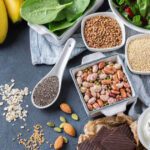
Boost your fiber consumption by adding more fruits, vegetables, and whole grains to your meals. Fiber-rich foods support digestion and foster a healthy gut environment.
Start your day with a hearty bowl of oatmeal topped with fresh berries. Snack on crunchy carrots or bell peppers throughout the day. Incorporate a variety of colorful vegetables such as spinach, broccoli, and sweet potatoes into your dishes.
Consider swapping white rice for quinoa or choosing whole-grain bread over white bread. These simple dietary adjustments can significantly enhance your fiber intake.
Stay Hydrated
How well do you hydrate throughout the day? Proper hydration is vital for a healthy digestive system. Drinking enough water aids in digestion, nutrient absorption, and the elimination of waste and toxins. Dehydration can lead to sluggish digestion, causing issues like constipation and bloating. Aim to drink at least 8-10 cups of water daily.

You can also boost your fluid intake by consuming hydrating foods such as fruits and vegetables. Staying well-hydrated is a simple yet effective way to support your gut health naturally.
Incorporate Probiotic-Rich Foods
In addition to staying hydrated, consuming probiotic-rich foods can further support your gut health. Probiotics are beneficial bacteria that help maintain a balanced gut microbiome, promoting digestion and strengthening immune function.
Foods like yogurt, kefir, sauerkraut, kimchi, and kombucha are excellent sources of probiotics. Including these foods in your diet can help maintain a healthy balance of gut bacteria, potentially alleviating digestive problems such as bloating, gas, and constipation.
Reduce Sugar and Processed Foods
Minimizing sugar and processed foods is crucial for enhancing your gut health. High sugar intake can disrupt the balance of beneficial bacteria in your gut, leading to inflammation and digestive issues. Processed foods often contain additives and preservatives detrimental to the good bacteria in your digestive system.
Manage Stress Effectively
Managing stress is vital for maintaining a healthy gut microbiome. High stress levels can negatively affect the balance of beneficial bacteria in your digestive system. Stress triggers the release of hormones that can disrupt the natural harmony of your gut flora.

To manage stress, incorporate relaxation techniques such as deep breathing, meditation, or yoga into your daily routine. Regular physical activity can also help lower stress levels and foster a healthier gut environment.
Getting adequate sleep and engaging in enjoyable activities can further assist in stress management. Prioritizing stress reduction benefits both your mental well-being and your gut microbiome.
Engage in Regular Exercise
Regular physical activity is essential for maintaining a healthy gut microbiome. Exercise reduces stress levels and promotes a balanced gut environment. Staying active supports the diversity and abundance of beneficial gut bacteria. Engaging in regular workouts helps stimulate the movement of food and waste through your digestive system, enhancing nutrient absorption and waste elimination.
Additionally, exercise can lower inflammation in the gut, which is linked to various digestive disorders. Aim for at least 30 minutes of moderate exercise most days of the week. Whether it’s a brisk walk, yoga, or a workout routine, find activities you enjoy to make it a regular part of your lifestyle.
Prioritize Quality Sleep
To support your microbiome effectively, prioritize quality sleep. Aim for 7-9 hours of restorative sleep each night to allow your body to recover and rejuvenate.
During deep sleep, your body undergoes essential processes that regulate hormones and reduce inflammation, both crucial for maintaining a healthy gut. Poor sleep habits can disrupt the delicate balance of gut microbiota, potentially leading to increased gut permeability and decreased microbial diversity.
Establishing a consistent bedtime routine, creating a comfortable sleep environment, and limiting screen time before bed can significantly improve your sleep quality, ultimately benefiting your gut health.
Practice Mindful Eating
Mindful eating fosters a deeper connection between your food choices and the well-being of your microbiome. This practice involves paying full attention to the sensory experience of eating and being present in the moment.
When you eat mindfully, you become more aware of your body’s hunger and fullness cues, which can prevent overeating and support better digestion. Additionally, savoring each bite encourages a greater appreciation for the nourishment your food provides.
Limit Use of Antibiotics
Limiting antibiotic use is essential for maintaining a healthy balance of gut bacteria. Overusing antibiotics can disrupt the delicate ecosystem of your gut, leading to imbalances in the microbiome.
When prescribed antibiotics, they target harmful bacteria but can also affect beneficial bacteria in your gut. This disruption may lead to digestive issues, weakened immunity, and increased susceptibility to infections.
To protect your gut health, only use antibiotics when necessary and prescribed by a healthcare professional. Consider alternative therapies for conditions like colds or viral illnesses to minimize unnecessary antibiotic use and support the natural diversity of your gut microbiota.
Stay Active for Better Gut Health
Maintaining an active lifestyle is crucial for supporting a healthy balance of gut bacteria and overall well-being. Regular exercise improves digestion and promotes the growth of beneficial gut microbes. Aim for at least 30 minutes of moderate activity most days of the week.
Whether you prefer walking, running, yoga, or dancing, find activities you enjoy to help you stick to your routine. Physical movement also reduces stress levels, which can positively impact your gut health.
Additionally, regular exercise can help prevent constipation by stimulating the natural contraction of intestinal muscles. So, lace up your shoes, get moving, and support your gut health!
Frequently Asked Questions
Can Gut Health Affect Mental Health and Mood?
Yes, gut health significantly influences mental health and mood. The gut-brain axis plays a crucial role in regulating emotions and mental well-being.
Maintaining a healthy gut can contribute to a more positive mindset.
Is There a Specific Type of Exercise That Is Best for Improving Gut Health?
For enhancing gut health, focus on a variety of exercises. Incorporate cardio, strength training, and flexibility work into your routine.
Stay consistent and listen to your body’s needs to support overall gut health.
How Can I Incorporate Probiotic-Rich Foods Into My Diet if I Have Dietary Restrictions?
If you have dietary restrictions, you can still include probiotic-rich foods in your diet by trying options like:
- Dairy-free yogurt
- Kombucha
- Sauerkraut
- Tempeh
These alternatives provide gut-friendly bacteria without compromising your dietary needs.
Are There Any Natural Remedies or Supplements That Can Help Improve Gut Health?
You can support gut health naturally with remedies such as ginger, turmeric, and peppermint. Supplements like probiotics and prebiotics may also aid digestion.
Consult a healthcare professional for personalized advice tailored to your needs.
How Long Does It Typically Take to See Improvements in Gut Health After Making Dietary and Lifestyle Changes?
Improvements in gut health can vary in how long they take to manifest after implementing dietary and lifestyle changes.
It’s essential to remain consistent and patient, as results can differ for each individual.