Are you aiming to enhance your digestive health? Implement these essential tips for a healthier gut! Increase your fiber intake, stay hydrated, manage stress effectively, utilize probiotics, and practice mindful eating. These straightforward strategies can significantly improve your gut health and overall wellness.
The Role of Fiber in Digestive Health
Fiber is vital for maintaining regular bowel movements and preventing constipation. Incorporating fiber-rich foods such as fruits, vegetables, whole grains, and legumes into your diet supports the healthy functioning of your digestive system.
This nutrient acts as a natural cleanser, facilitating the efficient movement of waste through your intestines. Furthermore, fiber promotes the growth of beneficial gut bacteria, which is essential for optimal digestive health.
Additionally, fiber helps regulate blood sugar levels and lowers cholesterol, which can decrease the risk of heart disease. Ensuring you consume enough fiber daily is crucial for maintaining a robust and efficiently functioning digestive system.
Importance of Staying Hydrated
To support a healthy digestive system, maintaining proper hydration is essential. Adequate water intake aids in the smooth movement of waste through your intestines, facilitating proper digestion and nutrient absorption.
Insufficient water consumption can hinder your body’s ability to break down food and eliminate waste efficiently, leading to constipation and discomfort. Aim for at least 8-10 cups of water each day to promote smooth digestion.
Dehydration can slow down the digestive process, making it challenging for your gut to function effectively. Including hydrating foods such as cucumbers, watermelon, and oranges in your diet can also enhance your overall fluid intake.
Managing Stress for Gut Health
Prioritizing stress management is essential for maintaining optimal gut health. Stress triggers hormonal responses that can negatively affect your digestive system. Employing effective stress management techniques, such as mindfulness, deep breathing exercises, or regular physical activity, can significantly benefit your digestive health.
Chronic stress can lead to gut inflammation and disrupt the balance of beneficial bacteria, potentially causing digestive issues like bloating, cramps, or irregular bowel movements. Incorporating stress-reducing practices into your daily routine can foster a healthier gut environment. Taking care of your mental health is just as vital as maintaining a nutritious diet for your overall gut health.

The Benefits of Probiotics
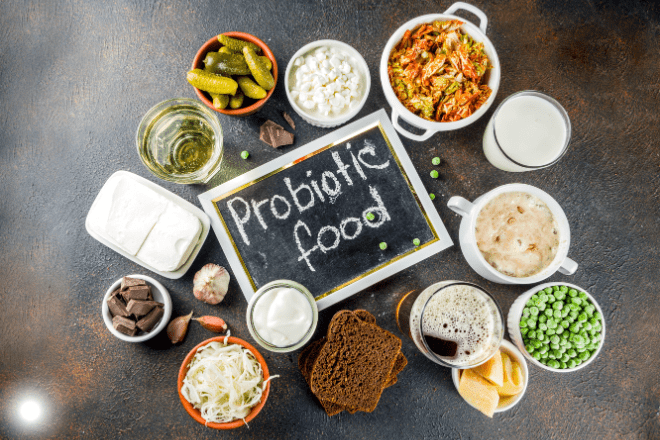
Incorporating probiotics into your diet is crucial for maintaining a balanced and resilient digestive system. These beneficial bacteria help sustain a healthy gut environment, aiding digestion and nutrient absorption.
Adding probiotic-rich foods like yogurt, kefir, sauerkraut, and kombucha to your meals can cultivate a diverse microbiome, essential for overall gut health. Probiotics also play a significant role in supporting your immune system and reducing gut inflammation.
If you consider a probiotic supplement, choose one that contains a variety of strains to maximize benefits. A balanced gut flora not only enhances digestion but also contributes to your overall well-being, making probiotics a priority for a stronger digestive system.
Practicing Mindful Eating
Improving your digestive system can be achieved through mindful eating practices. This approach involves fully engaging with the experience of eating and drinking, focusing on both the food and the act of consumption.
By being present during meals, you can better appreciate the flavors and textures of your food, as well as recognize hunger and fullness cues. This practice helps prevent overeating, enhances digestion, and fosters a healthier relationship with food.
To practice mindful eating, minimize distractions, chew your food slowly, and savor each bite. Cultivating this habit can lead to a stronger digestive system and improved overall health.
Common Questions About Gut Health
How Does Gut Health Influence Mental Well-being?
Your gut health has a significant impact on mental well-being. A balanced gut microbiome supports neurotransmitter production, influencing mood and cognitive function. Poor gut health can lead to inflammation, adversely affecting mental health. Prioritizing gut health is vital for supporting mental wellness.
Can Medications Negatively Affect Gut Health?
Certain medications can indeed have a detrimental effect on gut health. Antibiotics, pain relievers, and some antidepressants can disrupt the balance of beneficial bacteria in your gut, potentially leading to issues like diarrhea or constipation. Be aware of these potential side effects.
What Foods Should Be Avoided for Optimal Gut Health?
Avoid foods high in sugar, processed items, and excessive fats to maintain optimal gut health. Focus on whole foods, fiber-rich fruits and vegetables, and probiotic-rich yogurt to support your digestive system effectively.
How Quickly Can Dietary Changes Impact Gut Health?
Typically, you may notice improvements in gut health within a few weeks of making dietary changes. Consistency is vital. Pay attention to your body’s responses and adjust your habits as needed to support a healthier digestive system.
Is There a Link Between Gut Health and Autoimmune Disorders?
Yes, there is a connection between gut health and autoimmune disorders. The balance of bacteria in your gut can influence your body’s immune response. Maintaining a healthy gut can help reduce inflammation and support overall immune function.

Prioritizing Your Gut Health
Taking care of your gut health is vital for a robust digestive system. By incorporating fiber-rich foods, staying hydrated, managing stress, consuming probiotics, and practicing mindful eating, you can significantly enhance your overall well-being.
Make small, sustainable changes to your daily routine to prioritize your gut health. Your digestive system will appreciate the effort!