In recent years, the trillions of microorganisms residing in our digestive systems, collectively referred to as gut microbiota, have gained recognition as vital contributors to human health. These microbial communities influence various aspects of our well-being, from digestion to immune function. One intriguing area of research is their potential role in weight management. Can gut bacteria genuinely assist in losing those persistent pounds? This article examines the complex relationship between gut bacteria and weight loss, shedding light on the science behind this captivating connection.
Understanding Gut Microbiota
The human gut hosts a diverse range of microorganisms, including bacteria, viruses, fungi, and archaea, with bacteria being the most extensively researched. The composition of gut microbiota is shaped by factors such as genetics, diet, lifestyle, and environmental exposures. Although the specific microbial makeup varies significantly among individuals, certain bacterial species dominate the gut, with Firmicutes and Bacteroidetes being the most prevalent phyla.
Gut Bacteria and Weight Regulation
Research indicates that gut microbiota plays a significant role in energy metabolism and weight regulation. One key mechanism through which gut bacteria affect weight is by extracting energy from dietary components that the human body cannot digest. Certain bacteria can ferment dietary fibers and resistant starches, producing short-chain fatty acids (SCFAs) that the body absorbs and uses as an energy source.
Moreover, gut bacteria influence appetite and satiety regulation. They produce signaling molecules, including peptides and neurotransmitters, that communicate with the brain to affect food intake. Disruptions in this communication may lead to unregulated appetite and overeating, contributing to weight gain.
The Connection Between Gut Microbiota and Obesity
Studies have shown distinct differences in gut microbiota composition between lean and obese individuals. While no single “obesity-associated” microbial profile exists, alterations in microbial diversity and abundance have been observed in people with obesity. An increased ratio of Firmicutes to Bacteroidetes has been noted in some obese individuals, although findings across studies have varied.
Additionally, the functionality of gut microbiota appears to change in obesity, with shifts in microbial gene expression and metabolic pathways. These alterations may influence energy extraction from the diet, inflammation, and lipid metabolism, all of which can affect weight status.
Can Gut Bacteria Facilitate Weight Loss?
Given the link between gut bacteria and obesity, researchers have investigated whether modifying the gut microbiota could support weight loss efforts. One approach involves using probiotics, which are live microorganisms that provide health benefits when consumed in sufficient amounts. Probiotics, such as Lactobacillus and Bifidobacterium strains, have been studied for their potential anti-obesity effects.
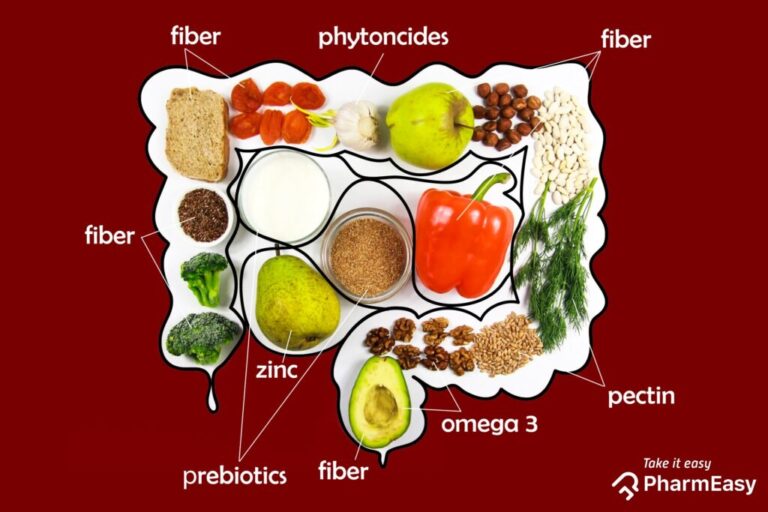
Prebiotics, which are non-digestible fibers that serve as food for beneficial gut bacteria, have also been explored for their role in weight management. By selectively promoting the growth of beneficial bacteria, prebiotics may help restore a healthy microbial balance in the gut.
Another emerging area of research is fecal microbiota transplantation (FMT) for weight loss. FMT involves transferring fecal matter from a healthy donor to a recipient with the goal of restoring microbial diversity and function. While FMT has shown success in treating certain gastrointestinal conditions, its effectiveness and safety in managing obesity require further study.


Challenges and Considerations
Despite promising findings linking gut bacteria to weight regulation, several challenges remain in applying this knowledge clinically. The complexity and individual variability of gut microbiota present significant hurdles in developing generalized interventions. What works for one person may not yield the same results for another due to differences in microbial composition and host factors.
Moreover, the long-term effects of gut microbiota modulation on weight maintenance are not well understood. Achieving sustainable weight loss requires lifestyle modifications, including diet, physical activity, and behavioral changes. While gut bacteria may support these efforts, they are unlikely to serve as a standalone solution for obesity.
Expanding the Exploration
- The Impact of Diet on Gut Microbiota: Investigate specific dietary components that influence gut bacteria composition and how dietary changes can modulate the microbiota to promote weight loss.
- Gut-Brain Axis Communication: Examine the intricate signaling pathways between gut microbiota and the brain, revealing how these interactions impact appetite, mood, and behavior.
- Microbial Metabolites and Weight Regulation: Explore the role of microbial metabolites, such as SCFAs and bile acids, in mediating the effects of gut bacteria on energy metabolism and body fat.
- Personalized Microbiome-Based Interventions: Discuss the potential for personalized weight management approaches based on individual gut microbiota profiles, incorporating factors such as genetics, lifestyle, and medical history.
- Ethical and Safety Considerations in FMT: Assess ethical dilemmas and safety concerns associated with fecal microbiota transplantation for weight loss, including donor screening, regulatory oversight, and long-term consequences.
By investigating these areas further, we can develop a comprehensive understanding of the complex interplay between gut bacteria and weight management. This knowledge could lead to tailored interventions that harness the potential of the microbiome to promote health and well-being.