Looking to enhance your immune system? Here are seven practical strategies to fortify your body’s defenses. From nutritious eating habits to regular physical activity and stress management, these actionable tips will help you maintain your health and resilience. By integrating these practices into your daily life, you can support your immune system and promote overall wellness. Let’s explore these effective methods to prioritize your health today!
Balanced Nutrition
To bolster your immune system, prioritize a balanced diet packed with essential vitamins and minerals. Incorporate a variety of fruits, vegetables, whole grains, lean proteins, and healthy fats to provide your body with the necessary nutrients for optimal immune function.
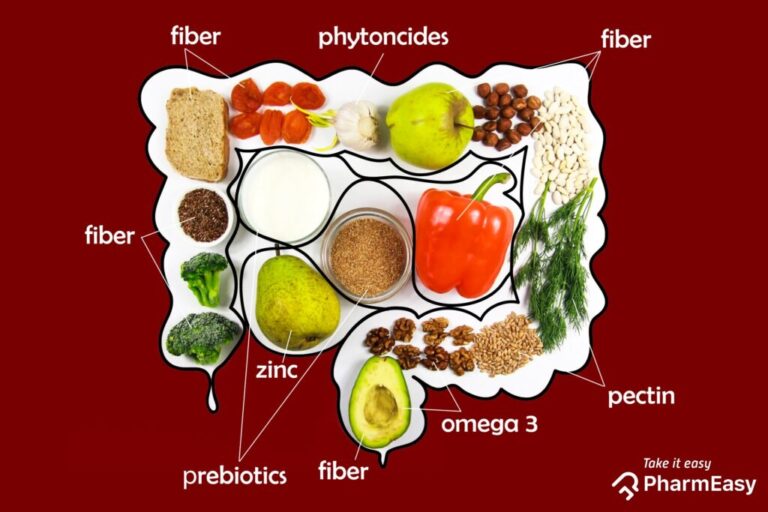
Vitamin C, abundant in citrus fruits and leafy greens, plays a vital role in supporting your immune health, while zinc, found in nuts and seeds, is crucial for immune cell functionality. Additionally, consider adding probiotics from sources like yogurt and kefir to promote a healthy gut, which is closely linked to your immune system’s efficiency.
Consistent Physical Activity
Engaging in regular physical activity is vital for maintaining a robust immune system. Exercise enhances blood circulation and the movement of immune cells, allowing them to navigate your body more effectively.
Furthermore, physical activity helps clear bacteria from your lungs and airways, reducing the likelihood of illness. Aim for at least 150 minutes of moderate exercise each week—activities like brisk walking, cycling, or dancing can significantly contribute to your immune health and overall well-being.

Quality Sleep
Prioritizing quality sleep is essential for a well-functioning immune system. Sufficient rest allows your body to repair and regenerate cells, which is critical for a strong immune response.
During deep sleep, your body produces proteins called cytokines that combat infections and inflammation. Insufficient sleep can weaken your immune defenses, making you more vulnerable to illnesses. Aim for 7-9 hours of restorative sleep each night to enhance your immune system’s ability to fend off pathogens effectively. Establish a calming bedtime routine and create a comfortable sleeping environment to support your body’s recovery.
Effective Stress Management
Managing stress is crucial for optimal immune system function, as chronic stress can significantly hinder your body’s ability to combat infections. High stress levels can weaken your immune response, increasing your susceptibility to illnesses.
Incorporate relaxation techniques such as deep breathing exercises, meditation, or yoga into your daily routine to manage stress effectively. Regular physical activity is also an excellent way to alleviate stress and support your immune system.
Additionally, ensure you are getting adequate sleep and maintaining a healthy diet, as these factors contribute significantly to stress management. By proactively reducing stress, you can strengthen your immune system and enhance your overall health.

Stay Hydrated
Hydration is vital for optimal immune function. Water is essential for maintaining fluid balance, aiding digestion, supporting circulation, and regulating body temperature.
Dehydration can impair your immune response, making you more prone to illnesses. Aim to drink at least 8-10 glasses of water daily, increasing your intake if you are active or in hot weather. Herbal teas, along with fresh fruits and vegetables with high water content, are excellent hydration sources.
Limit your consumption of sugary drinks and caffeinated beverages, as they can lead to dehydration. Prioritizing hydration will help your immune system perform at its best and keep you healthy.
Consider Immune-Boosting Supplements
Incorporating immune-boosting supplements into your daily regimen can provide additional support for your immune system. Vitamin C is a well-known supplement that stimulates white blood cell production, essential for fighting infections. Zinc is another beneficial supplement, as it regulates immune responses and enhances the body’s ability to fend off illnesses.
Probiotics are also valuable for immune health, promoting a healthy gut microbiome, where a significant portion of the immune system resides. Echinacea, an herb often used to support immune function, can help reduce the duration of colds and flu. Integrating these supplements into your routine can further bolster your immune system.
Healthy Lifestyle Choices
Implementing a balanced diet rich in nutrients is fundamental for optimal immune function. Focus on consuming a variety of fruits, vegetables, whole grains, lean proteins, and healthy fats.
Stay adequately hydrated by drinking plenty of water throughout the day, and ensure you engage in regular physical activity to enhance your immune system and overall health. Aim for at least 150 minutes of moderate exercise weekly.
Prioritize quality sleep by aiming for 7-9 hours each night to allow your body to recharge and strengthen its defenses. Manage stress through relaxation techniques such as deep breathing, meditation, or yoga to minimize its effects on your immune system.
Your lifestyle choices significantly impact your immune health, so make conscious efforts to adopt habits that support your well-being.
Frequently Asked Questions
Can Certain Medical Conditions or Medications Weaken the Immune System?
Yes, certain medical conditions and medications can compromise your immune system. Conditions like HIV/AIDS, cancer, or autoimmune diseases, along with treatments such as chemotherapy or corticosteroids, can impair your body’s ability to fight infections effectively.
How Do Allergies Affect the Immune System?
Allergies prompt your immune system to overreact to harmless substances, leading to symptoms like sneezing and itching. While allergies don’t weaken your immune system, they can cause discomfort and affect your quality of life.
Is It Possible to Have a Strong Immune System but Still Get Sick Frequently?
Yes, having a strong immune system does not guarantee that you won’t get sick. Factors such as stress, lack of sleep, and exposure to new pathogens can still impact your health.
How Does Age Impact Immune System Function?
As individuals age, their immune system function may decline due to factors like thymus shrinkage and a reduced number of immune cells. This can lead to a decreased response to infections and vaccines, making older adults more vulnerable to illnesses.
Can Mental Health Issues, Such as Anxiety or Depression, Affect the Immune System?
Mental health issues, including anxiety and depression, can adversely affect your immune system. Elevated stress levels may weaken your body’s defenses, increasing susceptibility to illnesses. Prioritizing mental well-being is essential for overall health.
Final Thoughts
By adopting a balanced diet, engaging in regular exercise, ensuring quality sleep, managing stress, staying hydrated, considering immune-boosting supplements, and making healthy lifestyle choices, you can strengthen your immune system and enhance your overall health.
Remember, even small changes can lead to significant improvements in your immune health. Start implementing these strategies today to support your body’s natural defenses and maintain your well-being throughout the year.