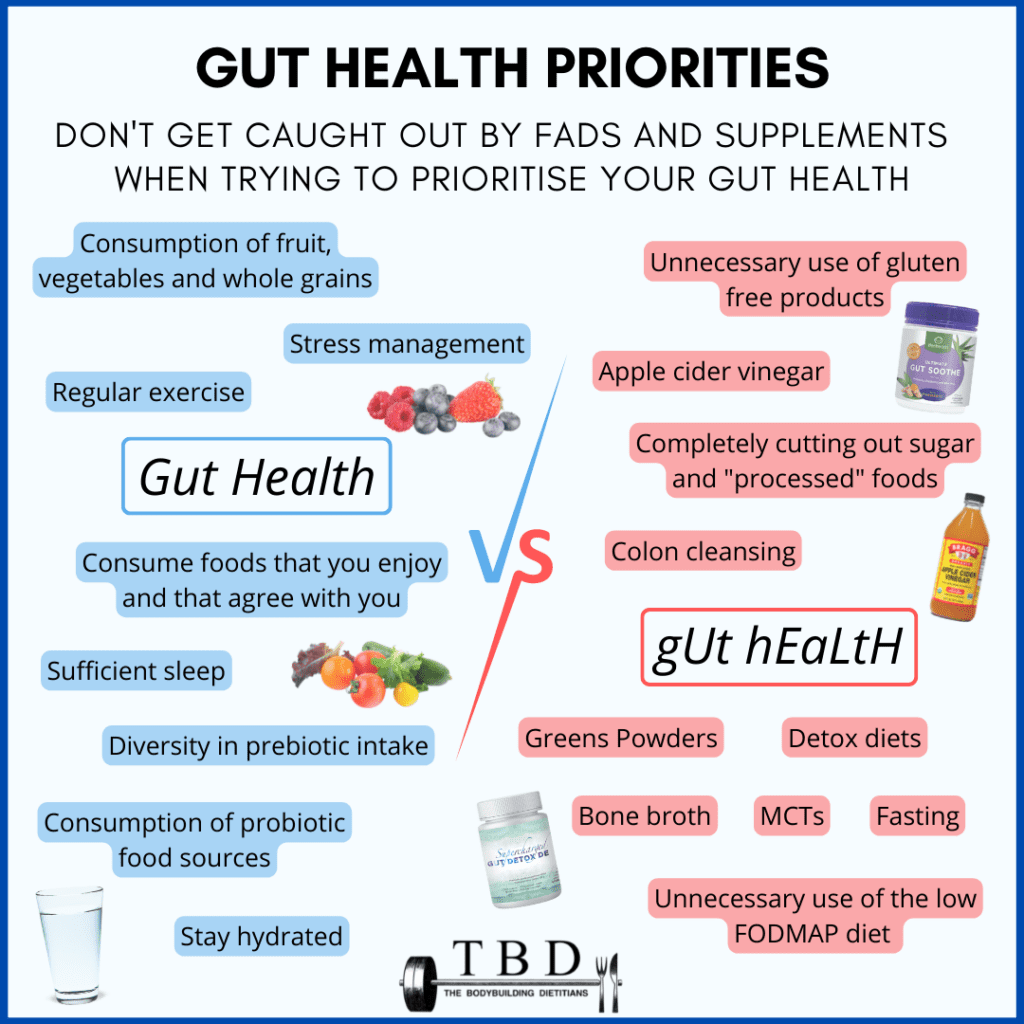
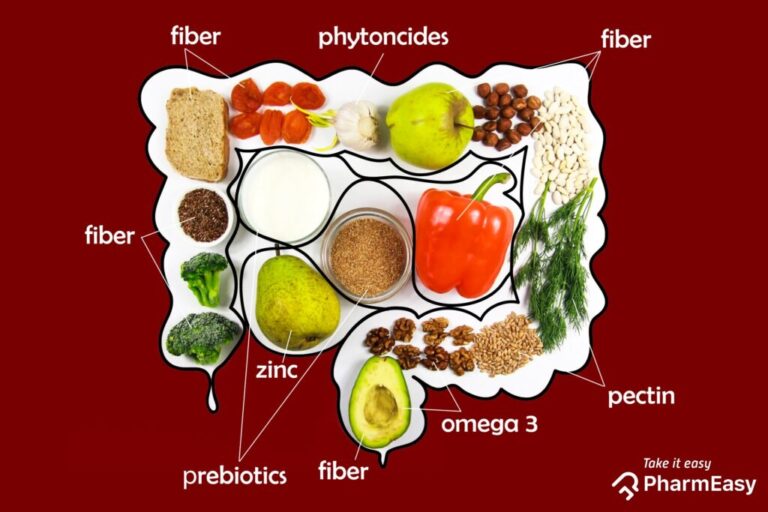
Understanding the principles of fasting is essential for promoting optimal gut health. This article provides insights on how to integrate fasting into your daily routine to support a healthy digestive system. By examining various fasting methods and their potential benefits, you will gain the knowledge and tools to enhance your gut health through fasting practices.
Fasting Methods to Consider for Gut Health
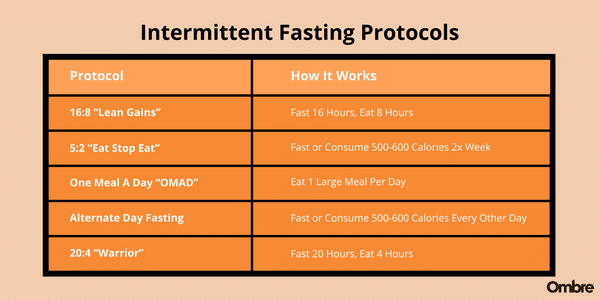
Intermittent Fasting
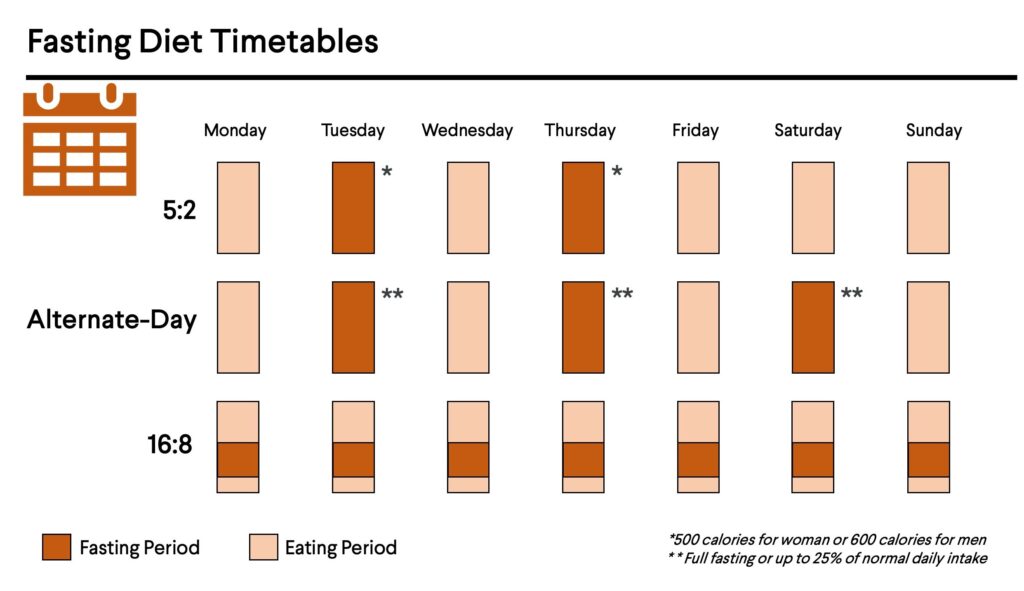
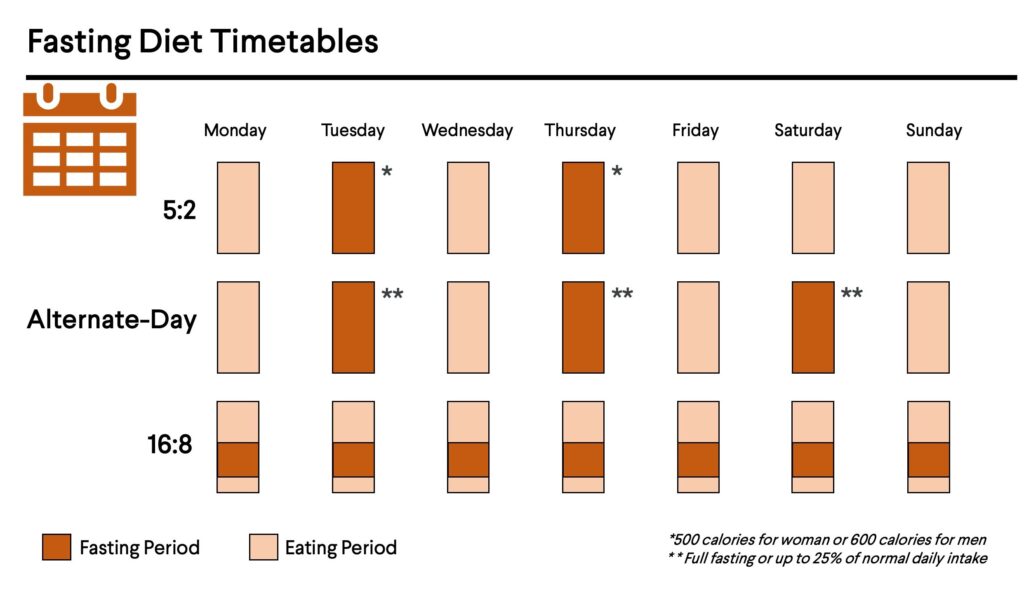
Intermittent fasting involves alternating periods of eating and fasting. One popular approach is the 16/8 method, where you fast for 16 hours and eat during an 8-hour window. This method allows the digestive system to rest and has been shown to reduce gut inflammation, thereby improving gut health.
Extended Fasting
Extended fasting consists of fasting for longer durations, typically ranging from 24 to 72 hours. This method provides significant benefits for gut health as it grants the digestive system an extended break. During this time, the body enters a state of ketosis, utilizing stored fat for energy, which can aid in gut healing and inflammation reduction.
Time-Restricted Eating
Time-restricted eating limits your daily eating period to a specific timeframe, usually between 6 to 10 hours. This approach facilitates consistent fasting intervals and is often easier to maintain than longer fasting periods. By allowing regular breaks for your digestive system, time-restricted eating can bolster gut health and enhance digestion.
Advantages of Fasting for Gut Health
Enhanced Digestion
Fasting can lead to improved digestion by giving the gut time to rest and recover. During fasting, the digestive system focuses on repairing damage and effectively eliminating waste. This can alleviate common digestive problems such as bloating, gas, and indigestion, while also enhancing nutrient absorption for better overall digestive function.
Balanced Gut Microbiome
The gut microbiome comprises a diverse community of microorganisms that play a vital role in gut health. Fasting has been shown to promote a balanced microbiome by limiting harmful bacteria growth and fostering beneficial bacteria. This balance is crucial for optimal digestion, nutrient absorption, and overall gut health.
Decreased Gut Inflammation
Chronic inflammation in the gut can lead to various digestive disorders, including inflammatory bowel disease and leaky gut syndrome. Research indicates that fasting reduces gut inflammation by minimizing oxidative stress and regulating immune responses. Lowering inflammation can alleviate symptoms and promote better gut health.
Preparing for Your Fasting Journey
Consulting a Healthcare Professional
Before starting any fasting regimen, it’s wise to consult a healthcare professional. They can assess your individual health needs and recommend the most suitable fasting method for your circumstances. Ongoing monitoring can help ensure your gut health is effectively supported throughout your fasting journey.
Selecting the Right Fasting Approach
With various fasting methods available, it’s vital to choose one that aligns with your personal goals and lifestyle. Consider factors such as the length of fasting periods, the frequency of fasting, and any specific health conditions you may have. Collaborating with a healthcare professional or registered dietitian can help you select a fasting method that best fits your needs.
Gradual Dietary Adjustments
To prepare your body for fasting, gradually adjust your diet in the days leading up to your fasting period. Focus on consuming whole foods rich in nutrients and fiber to stabilize blood sugar levels and minimize cravings. Avoid processed foods, sugary snacks, and excessive caffeine to ensure a smoother transition into fasting.
Staying Hydrated During Fasting
Ensuring Adequate Water Intake
Hydration is vital during fasting to support gut health. Aim to drink at least 8 cups (64 ounces) of water daily, or more if you engage in vigorous physical activity. Water aids digestion, nutrient absorption, and toxin elimination, while also preventing dehydration, which can lead to various health issues.
Choosing Electrolyte-rich Beverages
Replenishing electrolytes during fasting is important for maintaining hydration and supporting gut health. Electrolytes such as sodium, potassium, and magnesium are essential for numerous bodily functions. Opt for beverages rich in electrolytes, like natural coconut water, herbal teas, or homemade electrolyte solutions.
Avoiding Dehydration Symptoms
Dehydration can manifest as headaches, dizziness, fatigue, and dry mouth. To prevent these symptoms during fasting, monitor your water intake and ensure you’re consuming enough fluids throughout the day. Increase your water consumption if you experience dehydration symptoms or engage in activities that cause excessive sweating.

Nourishing Your Gut with Nutrients
Prioritizing Fiber-rich Foods
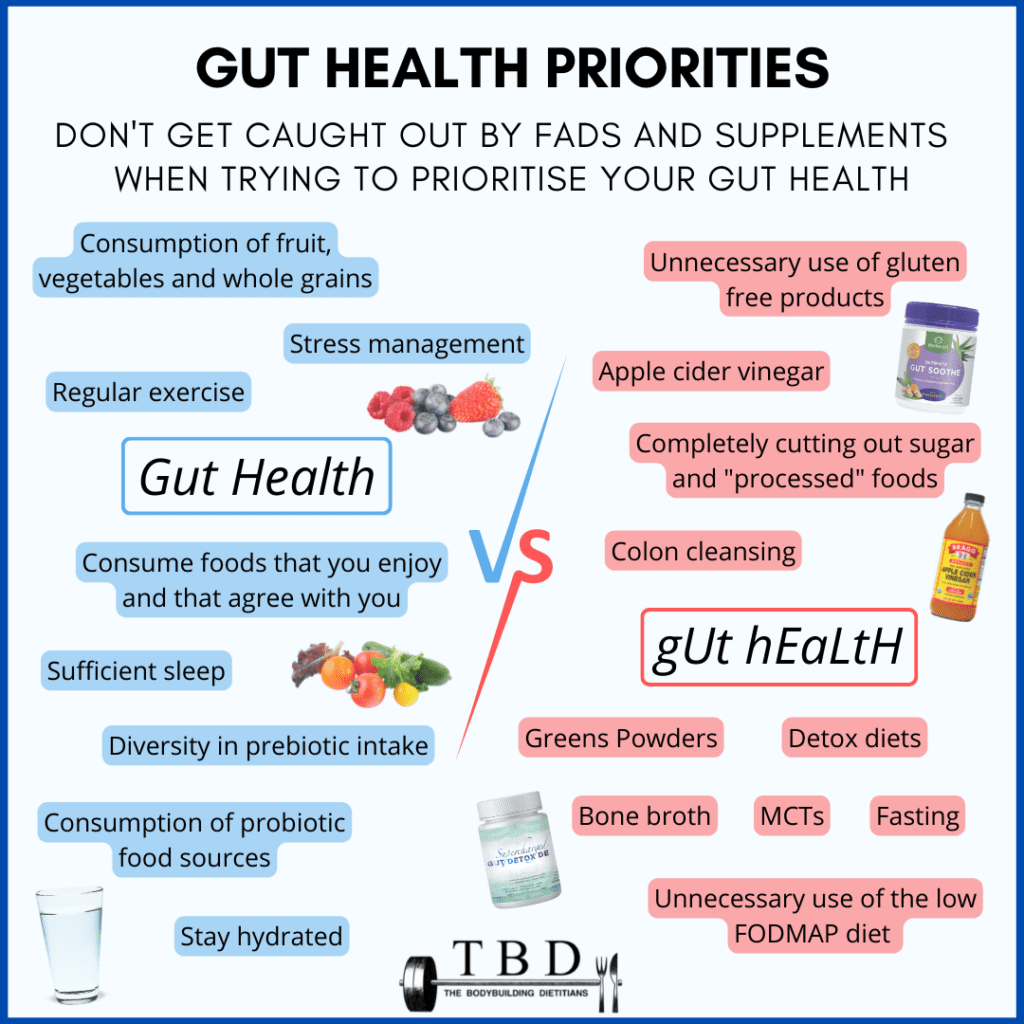
Fiber is essential for healthy digestion and maintaining a balanced gut microbiome. During your eating periods, focus on a variety of fiber-rich foods such as fruits, vegetables, whole grains, legumes, and nuts. These foods provide prebiotic fiber, which serves as nourishment for beneficial gut bacteria, fostering a healthy gut environment.
Incorporating Fermented Foods
Fermented foods are abundant in probiotics, which are beneficial bacteria that support gut health. Include options like yogurt, kefir, sauerkraut, kimchi, and kombucha in your diet. These foods introduce live cultures into the gut, helping to maintain a diverse and thriving microbiome.
Including Prebiotics and Probiotics
Alongside fermented foods, consider adding prebiotic and probiotic supplements to your routine. Prebiotics are non-digestible fibers that nourish beneficial gut bacteria, while probiotics introduce live bacteria into your digestive system. Together, they work to support a healthy gut microbiome and overall gut health.
Managing Hunger and Cravings Effectively
Practicing Mindful Eating
During fasting, it’s essential to pay attention to your body’s hunger and fullness signals. Mindful eating helps you understand your body’s needs and differentiate between true hunger and cravings. Take the time to savor each bite, and listen to your body’s cues to guide your eating patterns.
Reducing Stress Levels
Stress can negatively impact gut health by disrupting the balance of gut bacteria and increasing inflammation. Implement stress-reduction techniques such as meditation, deep breathing exercises, yoga, or engaging in hobbies you enjoy. By managing stress, you can support a healthy gut and minimize emotional eating triggers.
Choosing Satiating Foods
When breaking your fast or during eating periods, opt for foods that are satisfying and provide long-lasting energy. Choose protein-rich options like lean meats, poultry, fish, or plant-based proteins such as tofu, tempeh, legumes, and beans. Incorporating healthy fats like avocados, nuts, and seeds can also help promote satiety and reduce hunger.
Breaking Your Fast Safely
Starting with Light Foods
When it’s time to break your fast, start with light, easily digestible foods. Options like blended soups, smoothies, or steamed vegetables are gentle on the digestive system and help prepare it for more substantial meals.
Gradually Introducing Whole Foods
As your digestive system acclimates to eating again, gradually incorporate solid foods. Focus on whole foods such as fruits, vegetables, whole grains, and lean proteins. Steer clear of heavy, processed, or fried foods, as they can be harder to digest and may cause discomfort. Allow your body to readjust to regular eating patterns slowly.
Listening to Your Body’s Signals
Each person’s body is unique, so it’s vital to listen to your own signals when breaking a fast. Pay attention to how certain foods affect you and adjust your diet accordingly. If you experience discomfort or digestive issues, consulting a healthcare professional for personalized guidance may be necessary.
Addressing Common Challenges
Managing Detoxification Symptoms
Some individuals may experience detoxification symptoms such as headaches, fatigue, or digestive disturbances during fasting. These symptoms are often temporary and indicate that the body is eliminating toxins. To alleviate these symptoms, ensure adequate water intake, rest, and engage in gentle exercise like walking or yoga.
Overcoming Weight Loss Plateaus
If you encounter a weight loss plateau while fasting, reassess your eating habits and caloric intake. Evaluate the types of foods you consume to ensure they align with your goals. Collaborating with a healthcare professional or registered dietitian can help create a personalized plan that supports both gut health and weight management.
Dealing with Social Pressures
Navigating social events while fasting can be challenging due to social pressures and temptations. Be open with friends and family about your fasting goals and communicate your needs. Plan ahead by bringing your own fasting-friendly snacks or suggesting activities that don’t revolve around food. Remember that prioritizing your health goals is essential, and others should respect your choices.

Monitoring Your Progress and Adjusting
Paying Attention to Your Body’s Signals
Throughout your fasting journey, remain attentive to your body’s signals and adjust your approach as needed. If you experience prolonged discomfort, digestive issues, or notable changes in energy levels, it may be time to reconsider your fasting methods or seek guidance from a healthcare professional.
Keeping a Food and Symptom Journal
Maintaining a food and symptom journal can help identify patterns, track progress, and make necessary adjustments to support gut health. Record the foods you consume, the fasting methods you follow, and any symptoms or changes you experience. This journal can serve as a valuable tool for self-reflection and insights into what works best for you.
Regular Consultation with Healthcare Professionals
Consistent consultation with a healthcare professional or registered dietitian is vital when fasting for gut health. They can provide personalized guidance, monitor your progress, and ensure the fasting methods you adopt align with your individual needs. They can also address any challenges or concerns you may face along the way.