Maintaining a healthy gut is vital for overall wellness, as it significantly influences digestion, nutrient absorption, and immune function. This article outlines five essential strategies to support gut health. By integrating these practices into your daily routine, you can alleviate digestive issues, strengthen your immune system, and enhance your overall vitality. From dietary changes to stress management techniques, these five approaches will empower you to take charge of your gut health and improve your well-being.
Nutrition: The Cornerstone of Gut Health
Balanced Diet: Building a Strong Foundation
A balanced diet is crucial for fostering optimal gut health. This diet should encompass a variety of nutrients from different food groups, ensuring you receive all necessary vitamins, minerals, and macronutrients. Incorporating foods rich in fiber, protein, healthy fats, and complex carbohydrates can significantly support healthy digestion and maintain a robust gut microbiome.
Fiber: Essential for Digestive Wellness
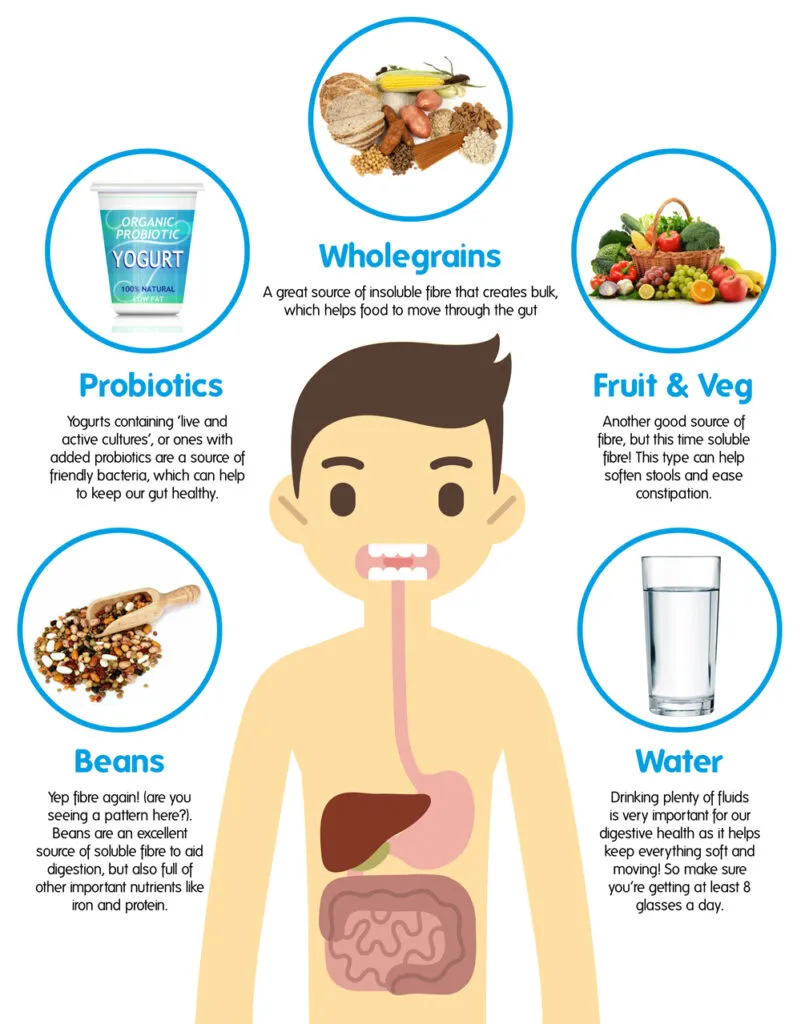
Fiber is a vital component of any diet aimed at promoting gut health. As a type of carbohydrate that the body does not digest, fiber passes through the digestive system mostly intact. There are two primary types of fiber: soluble and insoluble. Soluble fiber absorbs water and creates a gel-like substance that helps soften stools and regulate bowel movements. Insoluble fiber adds bulk to stools, promoting regularity and preventing constipation. Both types of fiber are essential for a healthy digestive system and can help prevent disorders such as constipation and diverticulosis.
Probiotics: Supporting Beneficial Gut Bacteria
Probiotics are live microorganisms that contribute positively to your digestive health. These “friendly” bacteria help maintain a healthy balance of gut microbiota, which is critical for digestion, nutrient absorption, and immune function. Probiotics can be found in fermented foods like yogurt, kefir, sauerkraut, and kimchi. Additionally, probiotic supplements can be beneficial for individuals experiencing an imbalance in gut bacteria or those who have recently taken antibiotics, which may disrupt the natural gut flora.
Lifestyle Factors That Influence Gut Health
Stress Management: Protecting Your Digestive System
Stress can significantly affect your digestive health. When stressed, your body activates a fight-or-flight response, diverting blood flow away from your digestive organs and towards your muscles. This redirection can impair digestion and lead to symptoms like indigestion, bloating, and abdominal pain. Employing stress management techniques such as deep breathing, meditation, and regular physical activity can alleviate these digestive symptoms and support gut health.

Physical Activity: Promoting Healthy Digestion
Engaging in regular physical activity is essential not only for overall health but also for supporting gut health. Exercise stimulates the muscles of the gastrointestinal tract, promoting regular bowel movements and preventing constipation. It also enhances blood flow to the digestive system, improving nutrient absorption and fostering a healthy gut microbiome. Aim for at least 30 minutes of moderate-intensity exercise on most days to support a healthy digestive system.
Hydration: Essential for Digestive Function
Drinking sufficient water is vital for maintaining a healthy digestive system. Water aids in the digestion and absorption of nutrients, as well as the elimination of waste. It helps soften stools and prevent constipation, ensuring regular bowel movements. Insufficient water intake can lead to dehydration, which may result in digestive issues such as constipation and bloating. Aim to drink at least 8 cups (64 ounces) of water daily to keep your digestive system hydrated and functioning optimally.
Maintaining Digestive Health
Regular Meal Timing: Supporting Digestive Rhythm
Consistent meal timing plays a significant role in supporting digestive processes. Eating meals at regular intervals helps regulate your body’s natural rhythms and prepares your digestive system for food intake. Irregular eating patterns or skipping meals can leave your digestive system unprepared, leading to issues such as indigestion, bloating, and nutrient malabsorption. Aim to space meals about 3-4 hours apart to facilitate optimal digestion and gut health.
Mindful Chewing: Enhancing Digestion
Thoroughly chewing your food is a critical yet often overlooked aspect of promoting healthy digestion. Chewing breaks food into smaller, more digestible pieces, allowing digestive enzymes to work more effectively. It also stimulates saliva production, which contains enzymes that begin the digestion process. Taking the time to savor your food and chewing thoroughly can help reduce the risk of indigestion, bloating, and other digestive issues. Aim to chew each bite at least 20-30 times before swallowing.
Avoiding Overeating: Protecting Your Gut
Overeating can place considerable strain on your digestive system and adversely affect gut health. Consuming large quantities of food in one sitting forces your digestive system to work harder to break down and absorb nutrients, leading to symptoms such as indigestion, bloating, and discomfort. Overeating also increases the risk of weight gain and obesity, which are linked to a higher likelihood of digestive disorders like gastroesophageal reflux disease (GERD) and irritable bowel syndrome (IBS). Listen to your body’s hunger and fullness signals and aim to eat until you feel satisfied rather than overly full.

Identifying and Managing Food Intolerances
Recognizing Symptoms of Food Intolerances
Food intolerances occur when your body struggles to digest certain foods, resulting in symptoms like bloating, gas, diarrhea, and abdominal pain. Common food intolerances include lactose intolerance, gluten intolerance, and fructose intolerance. Lactose intolerance involves difficulty digesting lactose, the sugar in dairy products. Gluten intolerance, also known as celiac disease, is an autoimmune condition where the body reacts to gluten found in wheat, barley, and rye. Fructose intolerance relates to difficulty digesting fructose, the sugar in fruits and some sweeteners. If you suspect a food intolerance, maintaining a food diary and consulting a healthcare professional can help identify problematic foods.
Elimination Diet: Identifying Trigger Foods
An elimination diet is a strategy used to identify food intolerances by removing specific foods from your diet and gradually reintroducing them one at a time to observe any reactions. This approach typically starts with an elimination phase where common trigger foods are excluded for 2-4 weeks. After this period, foods are reintroduced systematically while monitoring for adverse reactions. This method can help pinpoint specific foods causing digestive symptoms and facilitate informed dietary adjustments to enhance gut health.
Seeking Professional Guidance: Testing for Allergies
If you suspect a food allergy, it’s essential to seek professional assistance for accurate diagnosis and management. Allergy testing, such as skin prick tests or blood tests, can help determine if you are allergic to specific foods. These tests measure levels of specific antibodies in your blood or check for skin reactions to potential allergens. Upon diagnosis, your healthcare provider can offer guidance on avoiding allergenic foods and managing potential reactions. It’s also wise to carry necessary medications, such as epinephrine auto-injectors, for severe allergic responses.
Hygiene Practices for Gut Health
Hand Hygiene: Preventing Infections
Practicing good hand hygiene is vital for preventing the spread of harmful bacteria and viruses that can lead to gut infections. Wash your hands thoroughly with soap and water for at least 20 seconds before preparing or consuming food, after using the restroom, and after handling waste or pets. If soap and water aren’t available, using an alcohol-based hand sanitizer with at least 60% alcohol can be an effective alternative. Maintaining proper hand hygiene significantly contributes to a healthy gut.
Food Safety: Avoiding Contaminated Foods
Ensuring food safety is essential for gut health. Contaminated food can harbor harmful bacteria, viruses, or parasites that lead to foodborne illnesses and gastrointestinal infections. To minimize the risk of foodborne illnesses, follow proper food handling and storage practices. This includes washing fruits and vegetables thoroughly, cooking foods to the appropriate temperatures, refrigerating perishables promptly, and avoiding cross-contamination between raw and cooked foods. Practicing food safety measures can reduce the risk of gut infections and promote a healthy digestive system.

Proper Cooking and Storage: Minimizing Microbial Growth
Cooking and storing food correctly is crucial for reducing microbial growth and preventing foodborne illnesses. Cooking food to the recommended internal temperature helps eliminate harmful bacteria or parasites. Use a food thermometer to ensure that meat, poultry, seafood, and other potentially hazardous foods are cooked to safe temperatures. Additionally, proper storage of leftovers in the refrigerator or freezer can inhibit bacterial growth that can lead to foodborne illnesses. By taking these precautions, you can minimize the risk of gut infections and support gut health.
Understanding Medications and Their Impact on Gut Health
Effects of Medications on Digestion
Some medications can influence gut health and digestion. For instance, nonsteroidal anti-inflammatory drugs (NSAIDs) like ibuprofen and aspirin can irritate the stomach and intestinal lining, potentially leading to ulcers and bleeding. Other medications, such as antibiotics, can disrupt the balance of beneficial gut bacteria, resulting in digestive issues like diarrhea or yeast infections. Being aware of the potential side effects of medications and discussing them with your healthcare provider can help minimize their impact on gut health.
Antibiotics: Disrupting Gut Flora
Antibiotics are commonly prescribed to treat bacterial infections. While effective, they can also disturb the natural balance of gut bacteria. Antibiotics do not distinguish between harmful and beneficial bacteria, often eliminating the latter along with the former. This disruption can lead to an overgrowth of harmful bacteria or yeast, causing digestive disturbances such as diarrhea or candidiasis. To support gut health during antibiotic treatment, it’s vital to replenish beneficial bacteria by consuming probiotic-rich foods or taking probiotic supplements.
Managing Medications: Reducing Digestive Side Effects
If you are taking medications that may have digestive side effects, there are steps you can take to minimize their impact on gut health. Always follow your healthcare provider’s instructions regarding medication dosages. If you experience digestive issues like indigestion or upset stomach, taking medications with food or a glass of milk may help alleviate these symptoms. Discussing any concerns or side effects with your healthcare provider can help identify alternatives or provide additional guidance for managing digestive side effects.
Natural Remedies for Gut Health
Herbal Teas: Gentle Support for Digestion
Herbal teas can naturally soothe and support gut health. Certain herbal teas, like peppermint, ginger, and chamomile, have traditionally been used to alleviate digestive discomfort. Peppermint tea may help relax the gastrointestinal muscles, reducing symptoms such as bloating and abdominal pain. Ginger tea has anti-inflammatory properties that can relieve indigestion and nausea, while chamomile tea is known for its calming effects, helping to reduce stress-related digestive symptoms. Incorporating herbal teas into your daily routine can provide gentle support for your digestive system.
Ginger and Peppermint: Natural Digestive Aids
Ginger and peppermint have long been recognized for their ability to alleviate digestive discomfort. Ginger possesses anti-inflammatory and antioxidant properties that can help reduce inflammation in the gastrointestinal tract and relieve symptoms like indigestion, bloating, and nausea. Peppermint contains menthol, which can relax the gastrointestinal muscles, alleviating symptoms such as abdominal pain and cramping. Both ginger and peppermint can be consumed in various forms, including fresh, powdered, or as teas or capsules, to support digestive health.
Aloe Vera and Slippery Elm: Healing the Gut Lining
Aloe vera and slippery elm are natural remedies that can help heal and soothe the gut lining. Aloe vera gel contains compounds that have anti-inflammatory and healing effects on the digestive system, aiding in the relief of symptoms like acid reflux and gastritis. Slippery elm is a demulcent herb that forms a soothing gel-like substance when mixed with water, protecting the digestive tract lining and promoting healing in conditions like ulcers and inflammatory bowel disease. Incorporating aloe vera gel or slippery elm supplements into your routine may provide natural support for gut health.
Prioritizing Sleep for Gut Health
Sleep and Digestion: A Vital Connection
Getting adequate sleep is essential for maintaining a healthy digestive system. During sleep, your body undergoes critical restorative processes, including digestion and tissue repair. Insufficient sleep can disrupt these processes and impair normal digestion, leading to symptoms like indigestion, bloating, and constipation. Additionally, poor sleep can affect hormone release that regulates appetite, resulting in increased cravings and potential weight gain. Aim for 7-9 hours of quality sleep each night to support optimal gut health and overall wellness.
Sleep Disorders: Their Impact on Gut Microbiome
Sleep disorders such as insomnia, sleep apnea, and restless leg syndrome can significantly affect gut health. Poor sleep quality or disrupted sleep patterns can alter gut microbiota balance and impair digestive function. Research indicates that individuals with sleep disorders may have changes in gut microbiota composition, increasing the risk of digestive disorders like irritable bowel syndrome and inflammatory bowel disease. Addressing sleep disorders through lifestyle changes, sleep hygiene practices, and medical interventions can help support a healthy gut microbiome.
Establishing Healthy Sleep Habits for Gut Function
To promote optimal gut function, it’s essential to establish healthy sleep habits. Maintaining a consistent sleep schedule by going to bed and waking up at the same time each day helps regulate your internal clock and enhance sleep quality. Creating a relaxing sleep environment free from distractions and electronic devices can further improve sleep quality. Practicing good sleep hygiene, such as avoiding caffeine and stimulating activities close to bedtime, can support restful sleep. By prioritizing adequate and quality sleep, you can foster a healthy gut and overall well-being.
The Gut-Brain Connection
Understanding the Gut-Brain Axis
The gut-brain connection refers to the bidirectional communication between the gut and the brain. Often referred to as the “second brain,” the gut contains an extensive network of neurons and neurotransmitters known as the enteric nervous system. Stress profoundly affects this connection, as the brain and gut communicate continuously through neural pathways, hormonal signals, and immune mediators. Chronic stress can disrupt gut microbiota balance, alter motility, and increase intestinal permeability, leading to digestive disorders like irritable bowel syndrome (IBS) and inflammatory bowel disease (IBD). Managing stress through practices like meditation and deep breathing can help restore balance to the gut-brain axis and support gut health.
Mental Health and Digestive Disorders
Mental health conditions such as anxiety and depression are closely linked to gut health. The gut produces and houses about 90% of the body’s serotonin, a neurotransmitter crucial for regulating mood. Imbalances in gut bacteria and changes in gut permeability are associated with a heightened risk of mental health disorders. Conversely, mental health issues can directly affect gut health, leading to changes in motility and increased inflammation. Addressing mental health concerns through therapy, mindfulness practices, and lifestyle changes can enhance the gut-brain connection and improve overall well-being.
Meditation and Mindfulness: Balancing Gut Health
Meditation and mindfulness practices can be effective tools for fostering gut-brain balance and supporting gut health. These practices encourage focusing on the present moment and cultivating a non-judgmental awareness of thoughts and emotions. Research indicates that meditation and mindfulness can reduce stress, decrease inflammation, and promote a healthy balance of gut microbiota. Incorporating regular meditation or mindfulness practices into your routine can help calm the mind, alleviate stress, and support a balanced gut-brain connection.
Common Digestive Disorders and Their Effects
Irritable Bowel Syndrome (IBS): Understanding Gut Sensitivities
Irritable Bowel Syndrome (IBS) is a prevalent digestive disorder characterized by recurrent abdominal pain, bloating, and changes in bowel habits. While the exact cause remains unclear, IBS is believed to stem from a combination of genetic, environmental, and psychological factors. IBS can significantly impact gut health, as individuals may experience increased gut sensitivity and altered motility. Managing IBS involves identifying trigger foods, managing stress, and implementing dietary and lifestyle changes to support gut health.
Gastroesophageal Reflux Disease (GERD): Acid Challenges for the Gut
Gastroesophageal Reflux Disease (GERD) is a chronic digestive disorder marked by stomach acid flowing back into the esophagus, causing symptoms like heartburn, regurgitation, and chest pain. GERD can profoundly affect gut health, as constant acid exposure can damage the esophageal lining and increase the risk of complications such as ulcers and Barrett’s esophagus. Managing GERD involves lifestyle modifications, including avoiding trigger foods, maintaining a healthy weight, and elevating the head of the bed to reduce acid reflux and support gut health.
Inflammatory Bowel Disease (IBD): Managing Chronic Inflammation
Inflammatory Bowel Disease (IBD) encompasses chronic conditions characterized by inflammation in the digestive tract, primarily Crohn’s disease and ulcerative colitis. IBD can severely impact gut health, as chronic inflammation can damage and ulcerate the intestinal walls, leading to symptoms like abdominal pain, diarrhea, and rectal bleeding. Managing IBD typically involves a combination of medications, lifestyle changes, and dietary modifications to control inflammation, support gut healing, and enhance quality of life.
Maintaining a healthy gut is fundamental for overall wellness. A balanced diet rich in fiber and probiotics serves as the foundation for gut health. Lifestyle factors such as stress management, physical activity, and adequate sleep also play a vital role in supporting digestive health. Practicing proper hygiene, managing medications, and incorporating natural remedies can further enhance digestive function. Understanding the gut-brain connection and the impact of common digestive disorders can guide individuals in making informed choices to support their digestive well-being. By prioritizing gut health through these various strategies, individuals can experience improved digestion, nutrient absorption, and overall vitality.