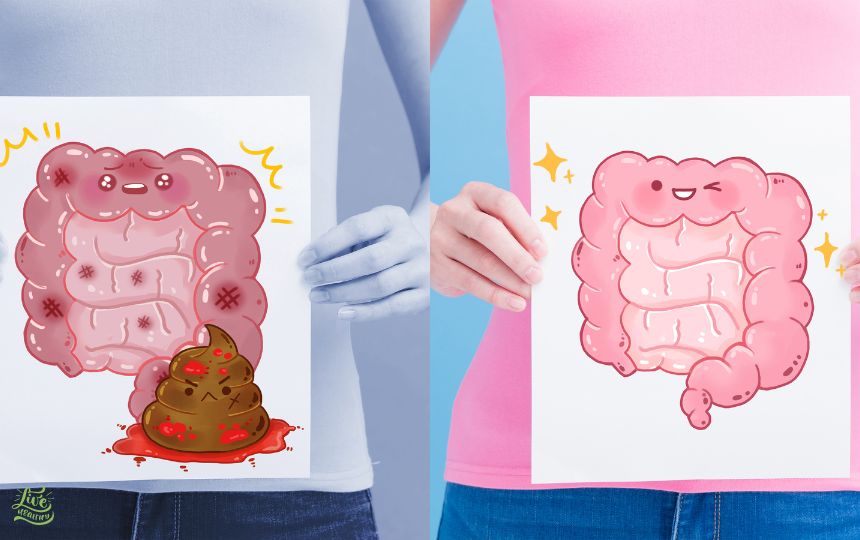
The human body hosts a complex ecosystem known as the gut microbiome, which is home to approximately 100 trillion microorganisms, primarily bacteria. This intricate community, located mainly in the gastrointestinal tract, plays a vital role in digestion, immune function, and even mental health. Cultivating beneficial bacteria in this microbiome is essential for overall health. In this article, we will explore effective strategies for promoting a thriving population of good bacteria in your gut.
Understanding the Gut Microbiome
Before we discuss how to enhance the presence of beneficial bacteria, it is essential to understand the composition and function of the gut microbiome. This diverse ecosystem includes various microorganisms such as bacteria, viruses, fungi, and more, all of which interact with numerous physiological processes.
The Key Functions of the Gut Microbiome
The gut microbiome serves several critical functions, including:
- Nutrient Metabolism: Beneficial bacteria assist in breaking down and absorbing dietary nutrients like carbohydrates and fiber, which helps the body utilize energy efficiently. They also produce vital vitamins, including B vitamins and vitamin K, which contribute to overall health.
- Immune Regulation: The gut microbiome plays a crucial role in regulating the immune system, distinguishing between helpful and harmful microbes, and initiating appropriate immune responses. It helps train immune cells to effectively respond to pathogens while tolerating harmless substances.
- Digestive Health: Beneficial bacteria help maintain the integrity of the gastrointestinal tract, preventing harmful organisms from taking hold and alleviating digestive issues such as irritable bowel syndrome (IBS) and inflammatory bowel disease (IBD). They also produce enzymes that aid in the digestion of certain carbohydrates and fibers.
- Neurological Function: Recent studies suggest a two-way communication system, known as the gut-brain axis, where the gut microbiome influences neurological function and mental well-being. Beneficial bacteria produce neurotransmitters like serotonin and gamma-aminobutyric acid (GABA), which are involved in mood regulation and cognitive function.
The balance of the gut microbiome is influenced by various factors, including diet, lifestyle choices, genetics, and environmental exposures. Disruptions to this balance, known as dysbiosis, can lead to numerous health issues, ranging from digestive disorders to autoimmune diseases.
Strategies to Increase Beneficial Bacteria in Your Gut
1. Increase Dietary Fiber
- One of the most effective ways to nurture beneficial bacteria is by consuming dietary fiber. Fiber serves as a food source for gut bacteria, leading to the production of short-chain fatty acids (SCFAs) like acetate, propionate, and butyrate, which promote the growth of beneficial microbes. These SCFAs also possess anti-inflammatory properties and help maintain gut barrier integrity.
- Incorporate a variety of fiber-rich foods into your diet, including fruits (such as berries and apples), vegetables (like broccoli and spinach), whole grains (such as oats and quinoa), legumes (like lentils and chickpeas), nuts, and seeds. Aim for both soluble and insoluble fibers to support the growth of different bacterial species.
2. Include Fermented Foods
- Adding fermented foods to your diet can provide naturally occurring probiotics that benefit gut health. The fermentation process produces a variety of beneficial microbes, enzymes, and metabolites, offering numerous health benefits while increasing the bioavailability of certain nutrients.
- Try fermented foods such as yogurt (with live cultures), kefir, kimchi, sauerkraut, miso, tempeh, kombucha, and unpasteurized cheeses. When selecting these products, choose those that have not been subjected to high-heat pasteurization, as this can kill the live cultures.
3. Consider Probiotic Supplements
- Probiotic supplements containing live beneficial bacteria can help strengthen your gut microbiome. These supplements may be particularly useful for individuals with specific health conditions, those taking antibiotics, or those who find it challenging to obtain probiotics through food.
- Choose probiotic formulations that include a variety of bacterial strains, such as Lactobacillus and Bifidobacterium, tailored to your health needs. Look for products that have undergone rigorous quality testing and have shown efficacy in clinical studies.
4. Reduce Sugar and Processed Foods
- Limit your intake of sugary and processed foods, as these can disturb the balance of the gut microbiome, promoting harmful bacteria while hindering the growth of beneficial ones. Diets high in refined sugars and processed foods are linked to an increased risk of obesity, metabolic syndrome, and inflammatory conditions.
- Focus on whole, unprocessed foods rich in fiber, vitamins, minerals, and phytonutrients to support a healthy gut ecosystem. Cut back on sugary snacks, desserts, sugary drinks, and foods with artificial additives and preservatives. Instead, prioritize whole fruits, vegetables, whole grains, lean proteins, and healthy fats.
5. Manage Stress
- Chronic stress can negatively impact the gut microbiome, leading to dysbiosis and digestive issues. The gut-brain axis allows communication between the central nervous system and the enteric nervous system, meaning that mental health can influence gut function and vice versa.
- Incorporate stress-reducing practices such as mindfulness meditation, deep breathing exercises, yoga, and spending time in nature. Engage in self-care activities that promote relaxation and emotional well-being, like journaling or art therapy.
6. Use Antibiotics Wisely
- Be cautious with antibiotic use, as they can significantly affect the gut microbiome. While antibiotics are crucial for treating bacterial infections, they can also disrupt the balance of gut bacteria.
- When necessary, choose narrow-spectrum antibiotics that target specific bacteria while preserving beneficial species. Follow prescribed dosages and treatment durations, and discuss any concerns about gut health with your healthcare provider. In some cases, they may recommend probiotics during and after antibiotic treatment to help restore balance.
7. Incorporate Polyphenol-Rich Foods
- Include a variety of polyphenol-rich foods in your diet, such as fruits (like berries and cherries), vegetables (such as spinach and kale), nuts (like almonds and walnuts), seeds (like flaxseeds and chia seeds), legumes (like black beans and lentils), tea (green and black), coffee, cocoa, and dark chocolate. Polyphenols are plant compounds known for their antioxidant, anti-inflammatory, and antimicrobial properties.
- Incorporate colorful fruits and vegetables into your meals and snacks to maximize polyphenol intake. Berries are particularly high in anthocyanins, a type of polyphenol with strong antioxidant effects. Enjoying a cup of green tea or a piece of dark chocolate can also be a tasty way to boost your polyphenol consumption.
8. Stay Physically Active
- Engaging in regular physical activity, including aerobic exercises (like walking, jogging, swimming, or cycling) and strength training, can promote gut health. Exercise enhances gastrointestinal motility, boosts immune function, and supports the growth of beneficial bacteria while reducing harmful species.
- Aim for at least 150 minutes of moderate-intensity aerobic activity or 75 minutes of vigorous-intensity activity each week, along with muscle-strengthening exercises on two or more days per week, as recommended by health organizations.
In summary, fostering a healthy gut microbiome involves more than just dietary changes. It requires a holistic approach that encompasses nutrition, lifestyle choices, and environmental factors. By focusing on fiber-rich foods, fermented items, probiotic supplements, stress management, and responsible antibiotic use, you can cultivate a resilient and vibrant gut microbiome. Supporting beneficial bacteria in your gut can lead to improved health and well-being, paving the way for a healthier future. Nurture the community of good bacteria within you and enjoy the multitude of benefits it brings to your overall health.