In this article, we will explore the complexities of the gut microbiome and its essential role in maintaining our overall health. From its connection to mental well-being to its impact on weight management, we will cover various topics aimed at helping you optimize your gut health. Whether you’re looking to incorporate probiotics and prebiotics into your diet or want to learn effective strategies for managing stress and its effects on digestion, this guide serves as a comprehensive resource for understanding this vital aspect of human biology.
The Gut Microbiome: An Overview
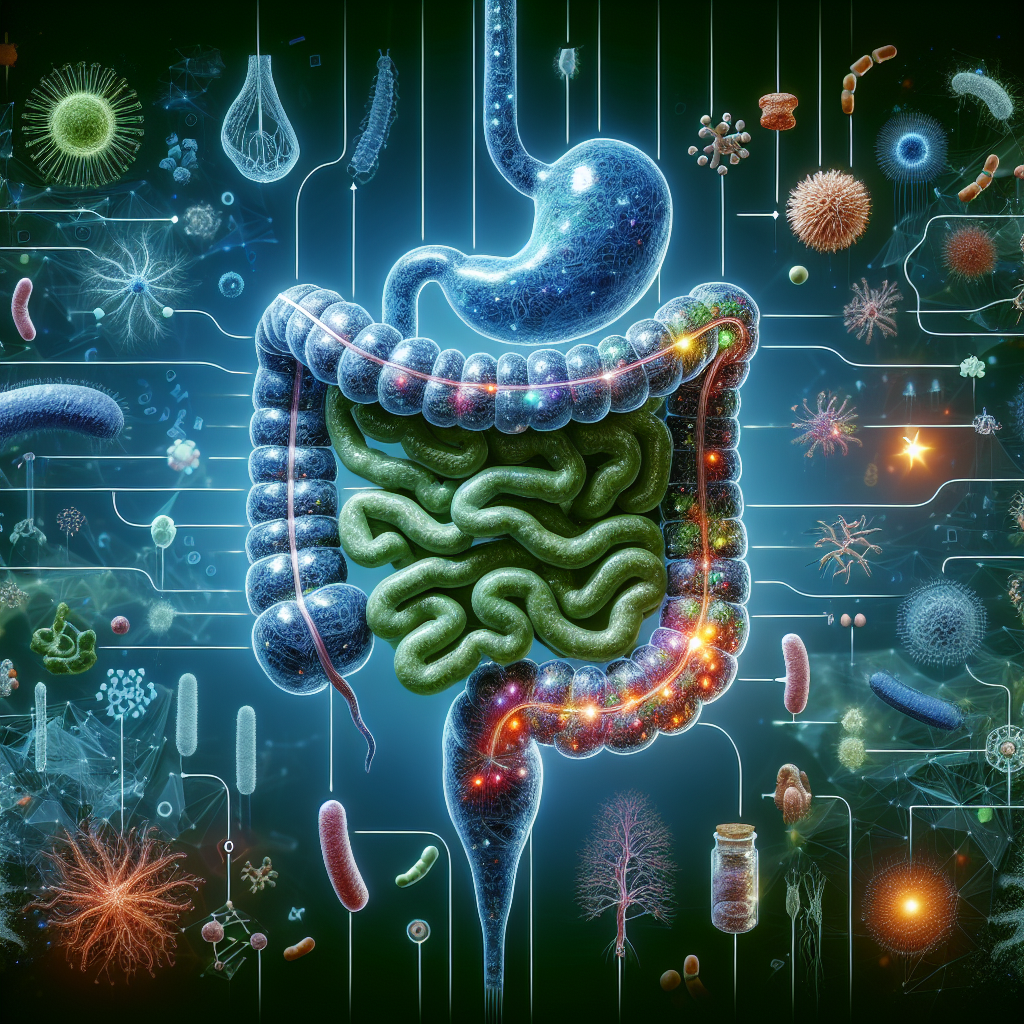
The gut microbiome comprises a diverse ecosystem of microorganisms that inhabit our gastrointestinal tract. This intricate community plays a significant role in our health and well-being.
The Microbial Community in Our Gut
Our gut hosts trillions of microbes, including bacteria, viruses, fungi, and other organisms. These microorganisms maintain a symbiotic relationship with our bodies, performing essential functions that contribute to digestion, metabolism, and immune system support. They also influence our mental health and emotional well-being.
Research indicates that the composition and diversity of the gut microbiome differ from person to person. Factors such as genetics, diet, age, and environment significantly influence the microbial makeup of our gut. The study of the gut microbiome has gained attention in recent years as scientists strive to understand this complex ecosystem and its effects on human health.
Probiotics and Prebiotics: Essential Components for Gut Health
Probiotics and prebiotics are two critical components for maintaining a healthy gut. Understanding their roles and integrating them into our diets can greatly enhance gut health.

The Importance of Probiotics and Prebiotics
Probiotics are live microorganisms that, when consumed in sufficient amounts, offer health benefits. These beneficial bacteria can be found in specific foods and supplements. Probiotics help restore and maintain a healthy balance of gut bacteria, promoting digestive health, supporting the immune system, alleviating gastrointestinal symptoms, and even assisting with weight management.
Prebiotics, on the other hand, are types of fiber that serve as food for beneficial gut bacteria. They act as fuel for probiotics, helping them thrive and multiply. By including prebiotic-rich foods in our diets, we can support the growth and colonization of these beneficial bacteria, further enhancing our gut health.

The Gut-Brain Connection: Understanding the Mind-Body Link
The gut-brain axis represents the two-way communication pathway between the gut and the brain. This connection underscores the significant impact that gut health has on mental well-being.
The Link Between Gut Health and Mental Well-Being
Research demonstrates that the gut microbiome plays a vital role in regulating brain function and maintaining mental health. Studies have found a strong association between an imbalanced gut microbiome and various mental health conditions, such as depression, anxiety, and neurodevelopmental disorders like autism.
The gut-brain axis operates through biochemical signaling and neural pathways. The microbes in our gut produce and release compounds, such as neurotransmitters and short-chain fatty acids, that can directly influence brain function. This connection highlights the importance of maintaining a healthy gut to support optimal mental health.
Nourishing Your Gut: Foods for Optimal Health
The foods we consume play a crucial role in supporting our gut health. Certain foods can promote the growth of beneficial gut bacteria and contribute to a balanced microbiome.
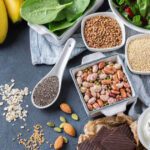
A fiber-rich diet is essential for supporting a healthy gut. Fiber acts as a prebiotic, nourishing beneficial bacteria in our gut. Foods such as fruits, vegetables, whole grains, legumes, and nuts are excellent sources of fiber. Fermented foods like yogurt, sauerkraut, and kefir are also beneficial, as they contain probiotics that help replenish our gut microbial community.
Maintaining a diverse and balanced diet is key to ensuring a wide range of beneficial microbes in our gut. By incorporating various plant-based foods and minimizing processed foods, we can support the growth of a healthy gut microbiome.

Understanding Leaky Gut Syndrome
Leaky Gut Syndrome, also known as increased intestinal permeability, is a condition that affects the intestinal lining. When the gut lining is compromised, it allows undigested food particles, toxins, and bacteria to enter the bloodstream, triggering an immune response and leading to various health issues.
Causes, Symptoms, and Solutions for Leaky Gut Syndrome
Leaky Gut Syndrome can arise from several factors, including a poor diet, chronic stress, excessive alcohol consumption, certain medications, and underlying gut dysbiosis. Symptoms may range from digestive issues, such as bloating, gas, and diarrhea, to systemic problems like food sensitivities, skin conditions, and autoimmune disorders.
Addressing the underlying causes of Leaky Gut Syndrome is essential for effective treatment. Dietary changes, stress reduction, and restoring gut health through the consumption of probiotic and prebiotic-rich foods can all contribute to healing the gut lining and alleviating symptoms. Consulting a healthcare professional is advisable for an accurate diagnosis and personalized treatment plan.
The gut microbiome is a fascinating and intricate ecosystem that significantly influences our overall health. Understanding the various factors that impact gut health, such as probiotics, prebiotics, and diet, empowers us to make informed choices that enhance our gut microbial community. Recognizing the connection between gut health and mental well-being further emphasizes the necessity of nurturing a healthy gut. By prioritizing gut health, we can foster a balanced microbiome, support digestion, strengthen our immune system, and promote overall wellness.