More people than ever are struggling with:
- bloating
- fatigue
- digestive discomfort
- brain fog
- low energy
- poor sleep
- and chronic stress
At the same time, interest in gut health has exploded.
People are searching for answers through:
- probiotics
- elimination diets
- digestive supplements
- detox programs
- and restrictive food plans
But one major area is often overlooked:
Recovery.
The body cannot function optimally when it is trapped in constant stress mode.
Digestive wellness is shaped by far more than food alone.
- Stress levels
- Sleep quality
- Inflammation
- Nervous system balance
- Recovery habits
All of these influence how the body feels and functions.
That is why more people are exploring cold therapy as part of a broader wellness lifestyle focused on:
- resilience
- recovery
- nervous system regulation
- and inflammation support
Cold plunges are no longer reserved for elite athletes and biohackers.
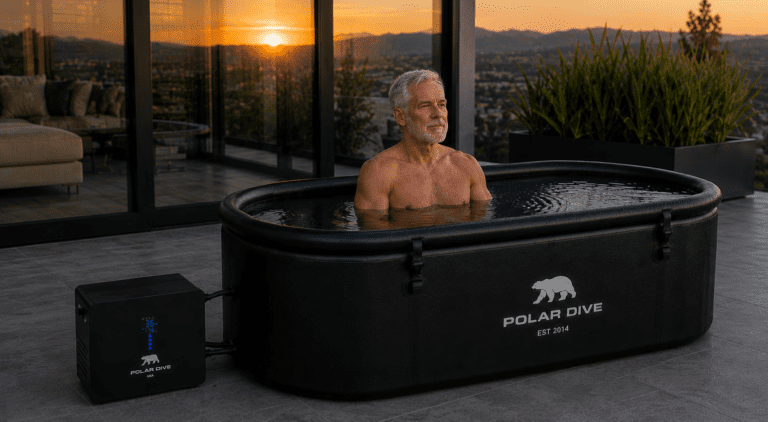
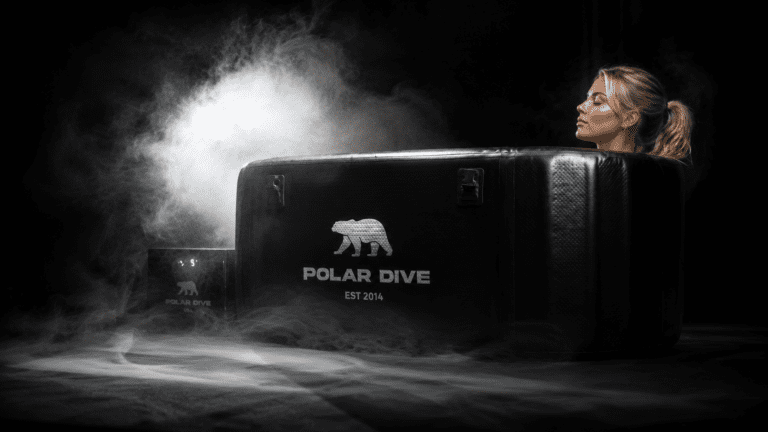
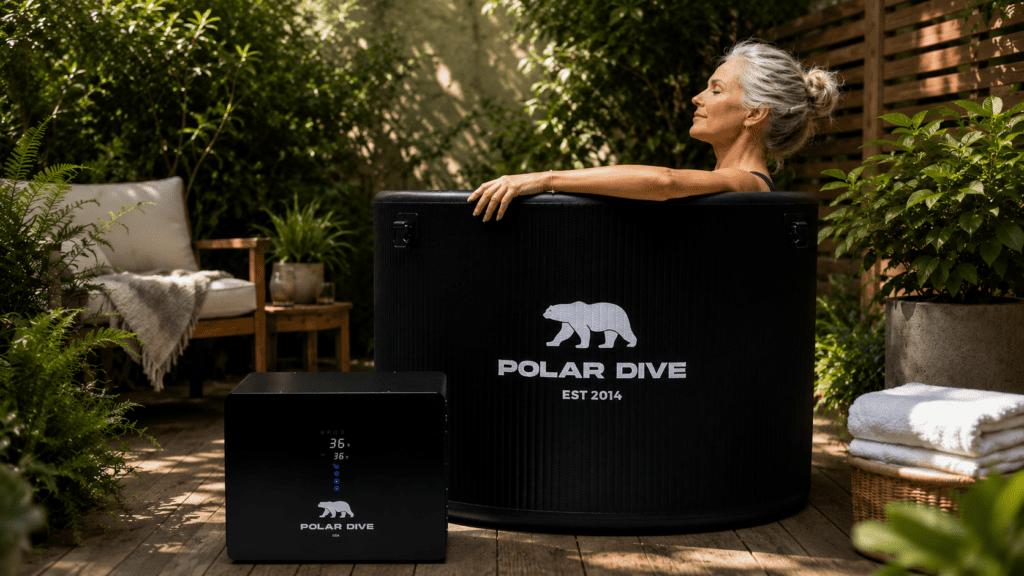
Affordable systems like Polar Dive are making cold therapy accessible for everyday people building healthier routines at home.
Quick Snapshot: Inflammation, Recovery, and Digestion
Quick Snapshot: Inflammation, Recovery, and Digestion
| Factor | Potential Impact on Gut Wellness |
| Chronic stress | May increase inflammation and gut sensitivity |
| Poor sleep | Linked to higher inflammatory load and cravings |
| Low recovery | Keeps nervous system in stress mode |
| Inflammation | Can contribute to discomfort and low energy |
| Nervous system | Influences motility, appetite, and gut signaling |
When stress, inflammation, and poor recovery stack together, the gut is often where people feel it first.
Why Inflammation Has Become Such a Big Wellness Topic
Inflammation is one of the most talked-about topics in wellness—for good reason.
The body naturally uses inflammation as part of:
- healing
- protection
- and recovery
Short-term inflammation is not the problem.
The concern is chronic low-grade inflammation that quietly builds over time.
Common contributors to inflammatory stress include:
- poor or fragmented sleep
- chronic stress
- highly processed foods
- sedentary living
- overtraining without recovery
- alcohol excess
- nervous system overload
- and inadequate recovery
Over time, chronic inflammatory stress may influence:
- digestion
- energy levels
- recovery capacity
- mood
- sleep quality
- and overall well-being
That is why “inflammation reduction” has become a core focus within holistic wellness communities.
The Gut and Inflammation Connection
The digestive system is highly sensitive to both stress and inflammation.
Many people notice digestive symptoms get worse during periods of:
- anxiety
- poor sleep
- emotional overload
- high stress
- or burnout
This happens partly because the gut is deeply connected to:
- the nervous system
- hormone signaling
- immune activity
- and recovery processes
When the body remains under chronic stress, digestion often becomes less efficient.
Common symptoms include:
- bloating
- stomach discomfort
- appetite changes
- irregular bowel habits
- or increased gut sensitivity
This relationship is often explained through the gut–brain axis—the ongoing communication between the gut and the nervous system.
In other words, digestive wellness is influenced by the entire body, not just food choices.
Why Recovery Is Essential for Wellness
One of the biggest mistakes in modern health culture is treating recovery like an afterthought.
People often prioritize:
- productivity
- intense workouts
- packed schedules
- and constant stimulation
While ignoring:
- sleep
- stress management
- nervous system regulation
- and true downtime
Eventually, the body starts showing signs of overload.
Without proper recovery, many people struggle with:
- exhaustion
- brain fog
- elevated inflammation
- poor sleep
- digestive discomfort
- and emotional fatigue
Recovery is not laziness.
Recovery is part of how the body repairs and regulates itself.
That is why recovery-focused wellness has become such an important movement.
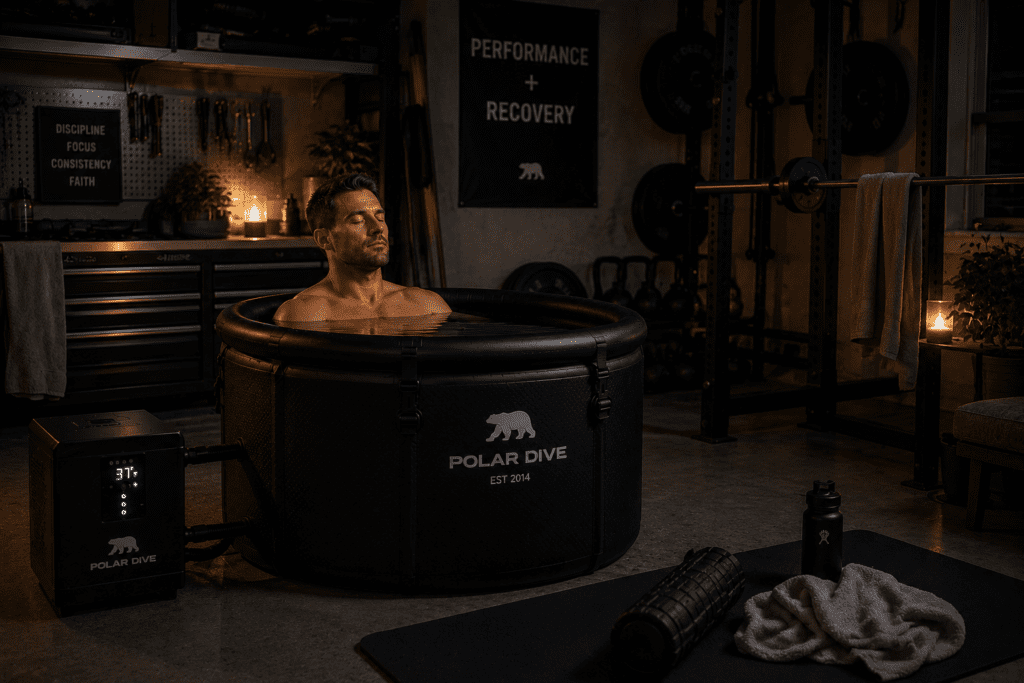
How Cold Exposure May Support Recovery
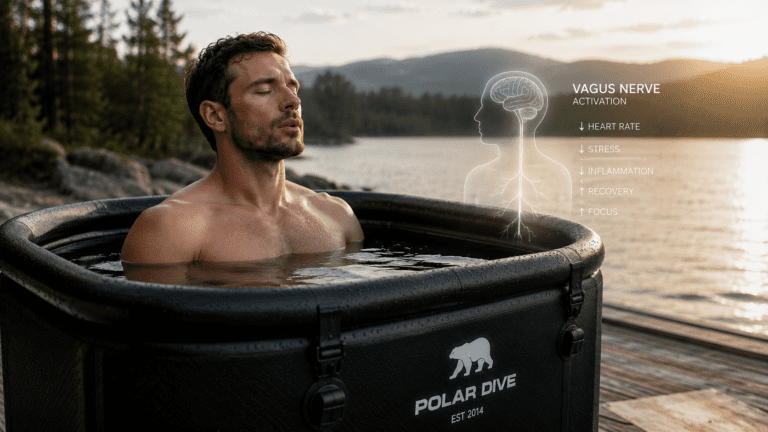
Cold plunges create a temporary but powerful stress response.
When you step into cold water:
- circulation changes
- breathing shifts
- stress hormones increase
- and the nervous system activates rapidly
At first, this feels uncomfortable.
Over time, many people learn how to:
- regulate their breathing
- stay calmer under stress
- and recover more efficiently after discomfort
This process is an example of hormesis—a controlled stressor that encourages positive adaptation.
Exercise works the same way.
The goal is not to overwhelm the body.
The goal is manageable challenge plus recovery.
Research on cold exposure suggests it may help:
- support circulation
- improve perceived recovery
- reduce certain inflammatory markers
- and increase stress resilience
Many users also report:
- better recovery after workouts or long days
- improved focus
- calmer, more stable energy
- and better stress management overall
See How Polar Dive Supports Recovery and Inflammation Management
Working on Your Gut but Still Feel Inflamed and Worn Down?
If you’ve adjusted your food but still feel puffy, tired, and stressed, adding a recovery ritual can support your body from another angle.
- Cold plunges create a short, focused reset for your nervous system
- Many people feel calmer and more clear afterward
- An at-home system makes recovery a consistent habit, not a rare event
Explore Polar Dive cold plunge systems for inflammation and recovery support:
Discover Polar Dive for recovery-focused gut wellness
Why Stress and Digestion Are So Closely Linked
Why Stress and Digestion Are So Closely Linked
Digestive wellness can feel complicated because stress touches so many systems at once.
During stress states:
- cortisol increases
- digestion slows
- blood flow shifts away from the gut
- and nervous system tension rises
The body prioritizes survival over digestion.
This is useful during short-term emergencies.
The problem today is that many people never fully leave stress mode.
Ongoing stimulation from:
- work pressure
- financial concerns
- endless notifications
- poor sleep
- and emotional overload
keeps the nervous system activated almost constantly.
This can influence:
- digestion
- inflammation
- sleep quality
- emotional balance
- and recovery capacity
This is why more wellness experts emphasize nervous system regulation as a core part of holistic health, not just an add-on.
Why Cold Therapy Is Becoming More Mainstream
For years, cold plunges were seen as extreme or inaccessible.
Many systems:
- cost thousands of dollars
- required complicated installations
- or simply felt unrealistic for normal households
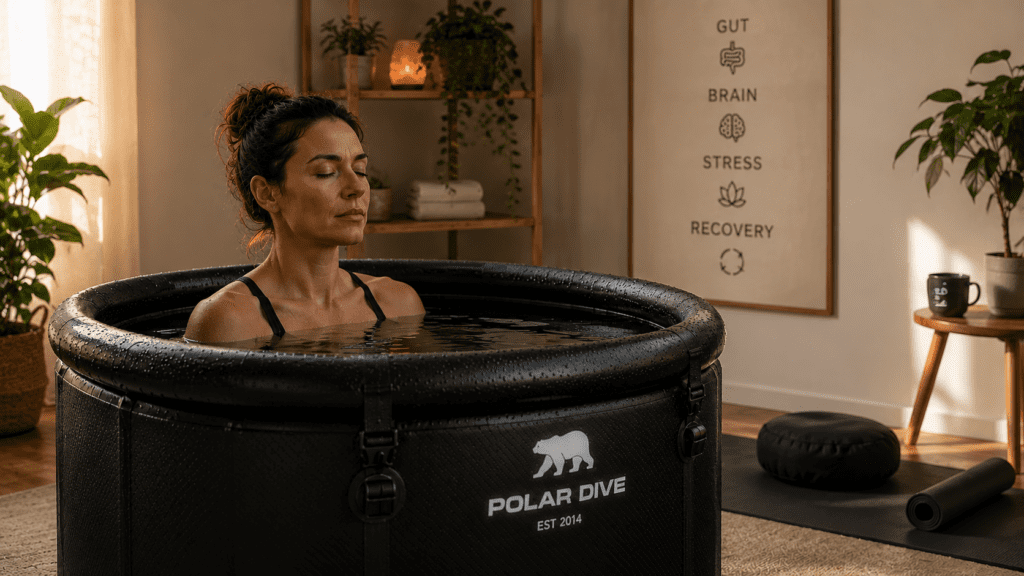
Polar Dive has helped change that.
Instead of focusing on luxury marketing, Polar Dive emphasizes:
- affordability
- practical performance
- compact design
- and simplicity
The system:
- cools water down to about 39°F
- works indoors or outdoors
- remains energy efficient
- and fits naturally into home wellness spaces
That makes cold therapy far more practical for:
- busy professionals
- wellness beginners
- recovery-focused individuals
- and people building realistic home routines
Many users also love avoiding the ongoing hassle and cost of buying ice.
Gut Wellness Requires a Whole-Body Approach
One of the healthiest shifts in wellness is moving away from isolated symptom thinking.
The body functions as a deeply connected system.
- Stress affects digestion.
- Sleep affects inflammation.
- Recovery affects nervous system balance.
- The nervous system influences nearly everything.
That is why many people now approach wellness more holistically through:
- stress reduction
- sleep optimization
- recovery practices
- daily movement
- hydration
- and nervous system support
Cold therapy is becoming part of this larger recovery-centered approach, not a standalone cure.
Who Polar Dive Is Best For
Polar Dive may be especially useful for:
- wellness enthusiasts
- recovery-focused individuals
- home gym owners
- busy professionals
- and people interested in holistic wellness practices
It is particularly appealing for those focused on:
- stress management
- inflammation support
- recovery
- and sustainable health habits
Check Polar Dive availability and current offers
Are Cold Plunges Safe?
Cold plunges are generally well tolerated by healthy individuals when practiced responsibly.
However, people with:
- cardiovascular conditions
- uncontrolled hypertension
- serious circulation disorders
- or significant medical concerns
should consult a healthcare professional before starting cold exposure.
Beginners should:
- start slowly
- avoid excessively long sessions
- be cautious with very low temperatures at first
- and prioritize slow, controlled breathing throughout
Frequently Asked Questions
Can inflammation affect digestive wellness?
Yes. Chronic inflammation may influence overall wellness, including how the gut feels, how well you recover, and how much energy you have.
Why does stress affect the gut?
The digestive system is closely connected to the nervous system through the gut–brain axis, so ongoing stress can change motility, sensitivity, and digestive comfort.
What is hormesis?
Hormesis refers to controlled stressors—such as exercise or cold exposure—that encourage the body to adapt positively over time when followed by recovery.
Can cold plunges reduce stress?
Many people report improved resilience and better stress management after consistent cold exposure, in part because they practice regulating their breathing and mindset during brief, intense sessions.
Is Polar Dive beginner friendly?
Yes. Polar Dive is designed to make cold therapy accessible and practical for everyday users, with compact, energy-efficient systems that work in normal home spaces.
Final Thoughts
Digestive wellness is about far more than food alone.
Your body is constantly responding to:
- stress
- recovery quality
- sleep
- inflammation
- nervous system balance
- and emotional load
That is why modern wellness conversations are shifting toward:
- recovery-based wellness
- nervous system regulation
- and sustainable lifestyle habits
Cold therapy is becoming part of that movement because many people find it helps support:
- resilience
- recovery
- stress adaptation
- and a greater sense of overall well-being
With affordable systems like Polar Dive, cold therapy is now realistic for normal households and everyday wellness routines, rather than just high-end wellness spaces.