For years, wellness conversations focused almost entirely on individual symptoms.
People tried to fix:
- digestion
- sleep
- fatigue
- stress
- inflammation
- bloating
- brain fog
- and low energy
one piece at a time.
Now, more health experts are recognizing something deeper:
The nervous system influences almost all of it.
Your body is not a collection of disconnected parts.
Your:
- digestion
- stress response
- inflammation
- sleep quality
- emotional state
- recovery
- and energy levels
are all closely tied to how well your nervous system is regulated.
That is why nervous system health has become one of the fastest-growing topics in holistic wellness.
It is also why more people are turning to recovery practices like:
- breathwork
- mindfulness
- sleep optimization
- sauna therapy
- and cold exposure
Cold therapy is not just a trend
Many people are interested in how cold exposure may help support:
- stress adaptation
- emotional regulation
- recovery
- resilience
- and nervous system balance
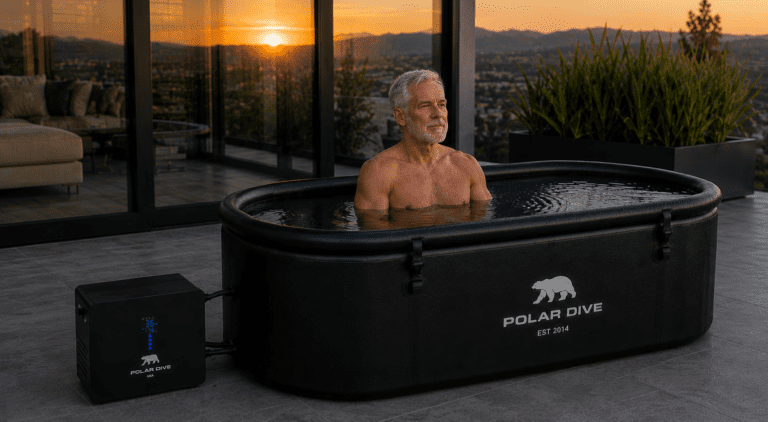
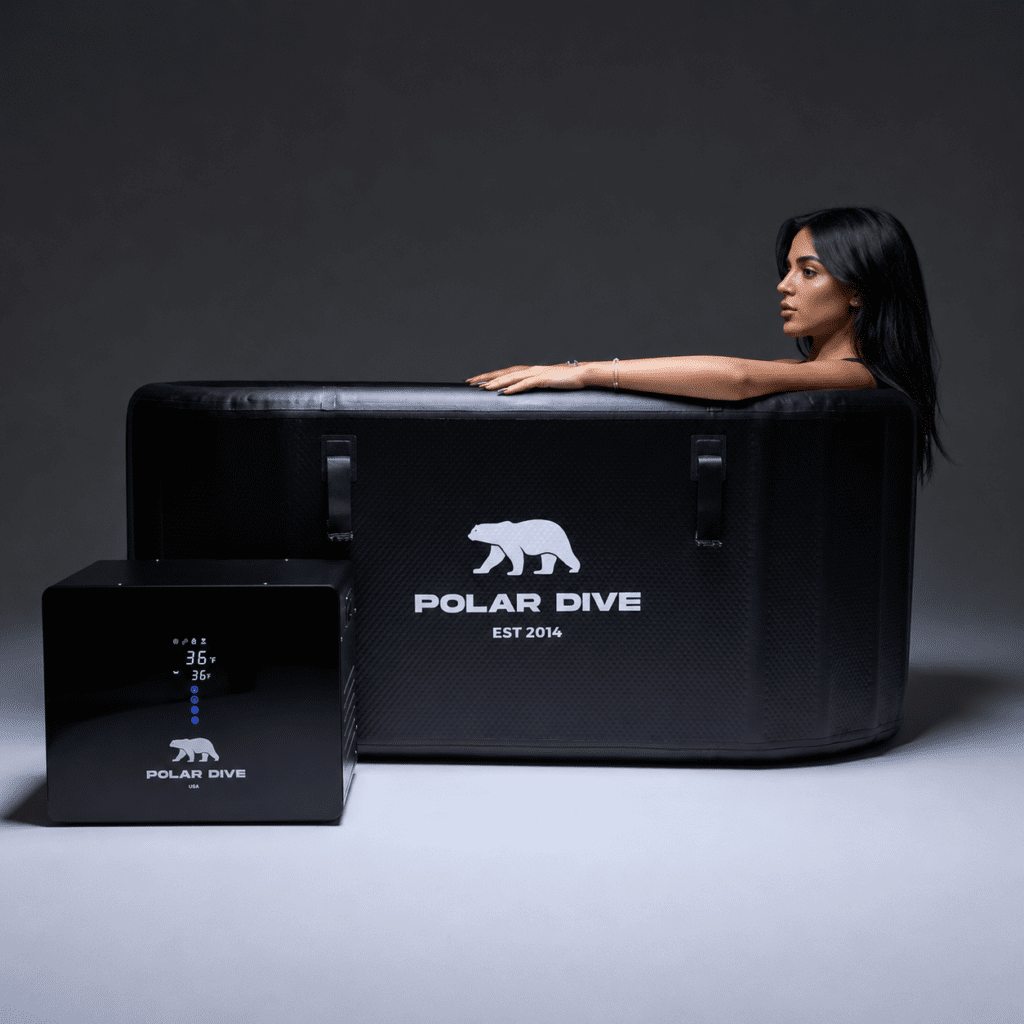
And with affordable systems like Polar Dive, cold therapy is becoming practical for real households, not just elite wellness communities.
Quick Snapshot: How the Nervous System Touches Gut and Wellness
| System Area | How Nervous System Imbalance May Show Up |
| Digestion | Bloating, tension, irregular motility |
| Sleep | Trouble falling/staying asleep, light sleep |
| Inflammation | Higher baseline inflammation, slower recovery |
| Energy | Fatigue, wired-but-tired feeling |
| Mood & emotions | Irritability, anxiety, overwhelm |
When the nervous system stays stuck in stress mode, everything else has to work harder.
The Nervous System Controls More Than Most People Realize
The nervous system is the body’s communication and control network.
All day, it helps regulate:
- digestion
- breathing
- circulation
- hormone signaling
- recovery
- stress responses
- sleep patterns
- and energy balance
When the nervous system becomes overloaded, the effects often spread throughout the body.
This is one reason chronic stress can show up as:
- bloating and digestive discomfort
- fatigue and tension
- poor sleep
- inflammation
- emotional instability
- and brain fog
Many people treat only the symptoms while the underlying stress load on the nervous system never changes.
Modern Life Keeps the Nervous System Overstimulated
Our nervous systems evolved in a world very different from today.
Now, most people live with:
- nonstop notifications
- constant background noise
- excessive screen exposure
- financial and work pressure
- social media overload
- poor or irregular sleep
- chronic multitasking
- and very little true recovery
The body interprets much of this as ongoing stress.
Over time, many people get stuck in chronic fight-or-flight.
When that happens, the body prioritizes survival over restoration.
That may affect:
- digestion and gut comfort
- immune signaling
- sleep depth and quality
- inflammation regulation
- hormone balance
- and emotional stability
This is why nervous system regulation is becoming a core focus in modern wellness, not just an “extra.”
Why Stress Frequently Affects Digestion
The digestive system is closely connected to the nervous system through the gut–brain axis.
This communication network links:
- the brain
- the digestive tract
- hormones
- the immune system
- and emotional centers in the body
When stress increases, many people notice their digestive symptoms worsen:
- bloating
- stomach tightness
- appetite changes
- nausea
- irregular digestion
- or increased gut sensitivity
Digestion works best when the body feels safe and regulated.
If the nervous system constantly perceives threat or overload, digestion often becomes less efficient.
That is why holistic approaches increasingly focus on calming and supporting the nervous system, rather than only managing digestive symptoms at the surface.
The Difference Between Healthy Stress and Chronic Stress
Not all stress is harmful.
The body needs certain forms of controlled stress to stay resilient.
- Exercise challenges the body so it can grow stronger.
- Skill-building challenges the brain so it can adapt.
Cold exposure works in a similar way.
Researchers often describe this as hormesis—small, controlled stressors that encourage positive adaptation over time.
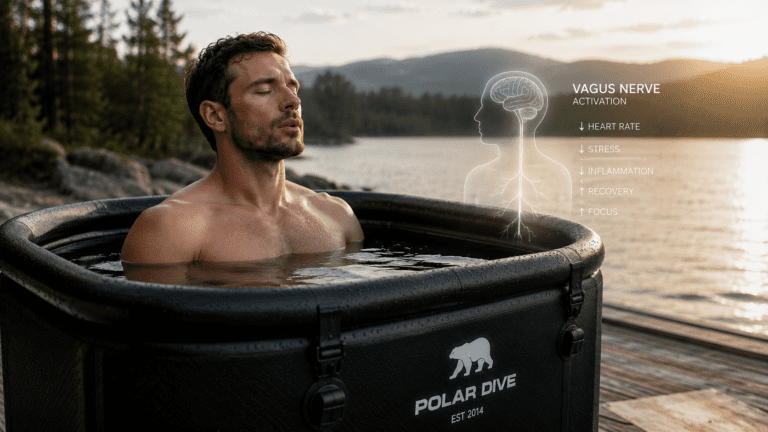
Cold plunges create a temporary stress response that activates:
- circulation
- nervous system signaling
- breathing regulation
- and stress adaptation pathways
The key differences:
- Cold exposure is intentional, not random.
- It is short and controlled, not endless.
- It is followed by recovery, not more chaos.
That is very different from chronic emotional stress, which is often:
- unplanned
- nonstop
- and exhausting
How Cold Exposure May Support Nervous System Regulation
When you step into cold water, the body reacts immediately.
- Breathing speeds up
- Heart rate increases
- Stress hormones rise
- The nervous system becomes highly alert
At first, most people feel strong resistance and discomfort.
But with consistent practice, something important often changes.
People begin learning how to:
- slow their breathing
- soften physical tension
- regulate their stress response
- and tolerate discomfort more effectively
Many users report that regular cold exposure helps them feel:
- calmer
- mentally clearer
- emotionally grounded
- and more resilient during daily stress
This adaptation process is one reason cold therapy is gaining traction among people focused on:
- stress management
- recovery
- mental resilience
- and holistic wellness
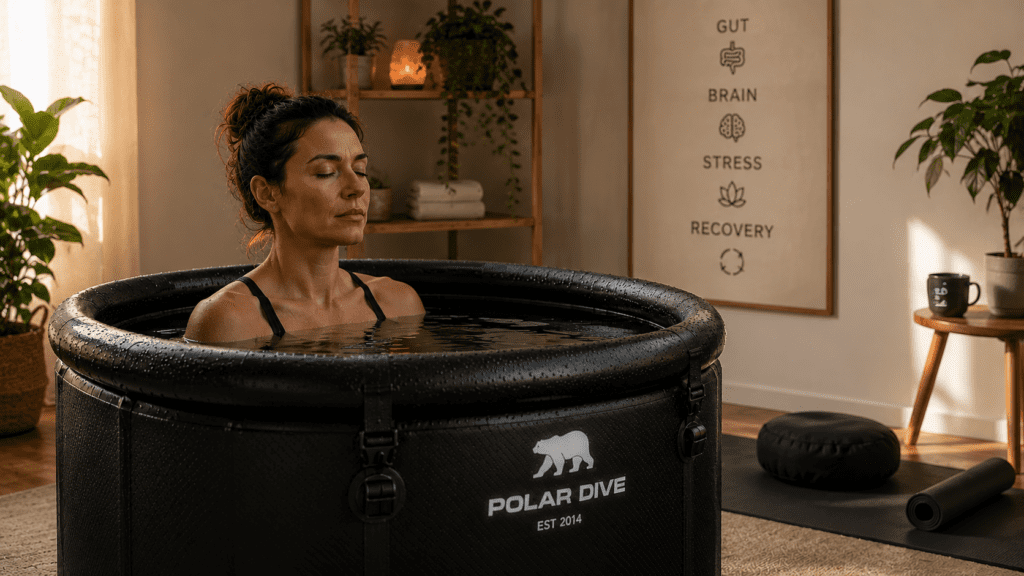
See How Polar Dive Helps You Train Nervous System Balance
Want Wellness That Starts With Your Nervous System, Not Just Another Supplement?
If you feel like your body is always “on” but never truly recovers, adding a nervous-system-focused habit can change how you handle stress.
- Cold plunges create a safe, controlled challenge
- You practice staying calm under pressure in real time
- An at-home system turns this into a daily or weekly ritual
Explore Polar Dive cold plunge systems for nervous system and recovery support:
Discover Polar Dive for nervous system health and resilience »
Why Recovery Is Becoming a Major Wellness Focus
For years, health culture glorified:
- hustle
- overtraining
- exhaustion
- and constant productivity
Now, more people are realizing that without recovery, everything else eventually breaks down.
Poor recovery may contribute to:
- fatigue
- inflammation
- sleep problems
- nervous system overload
- emotional exhaustion
- and digestive imbalance
This is why recovery-based wellness is growing so quickly.
People are placing more emphasis on:
- sleep
- stress reduction
- nervous system balance
- movement
- hydration
- and restorative practices
Cold therapy fits naturally into that philosophy because it couples controlled challenge with intentional recovery.
Why Polar Dive Is Getting Attention
For many people, cold plunges used to feel out of reach.
Traditional systems often cost:
- $5,000
- $10,000
- or more
That pricing kept cold therapy reserved for high-end facilities and elite biohackers.
Polar Dive approaches things differently.
It focuses on:
- affordability
- simplicity
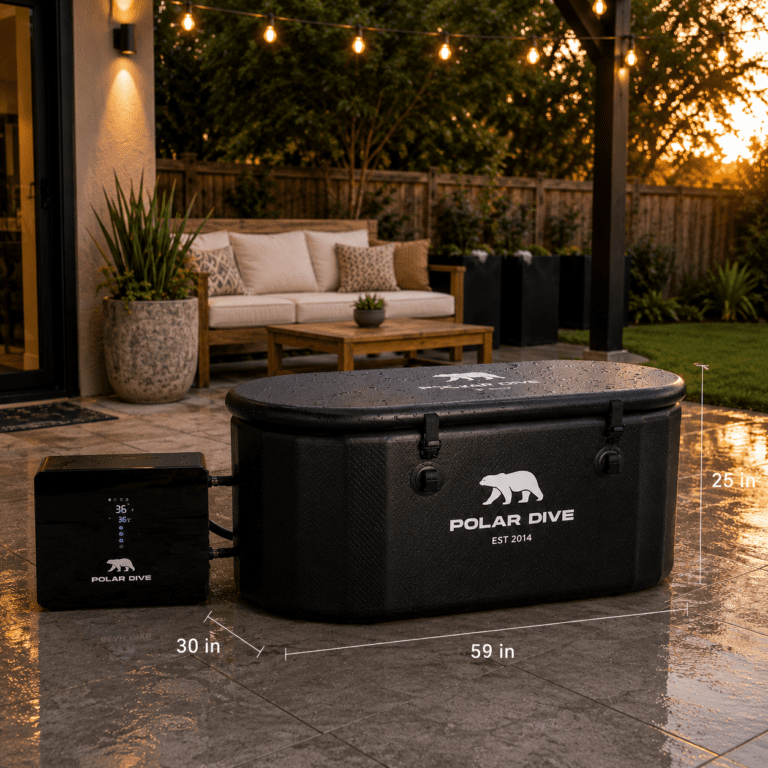
- compact design
- and practical performance
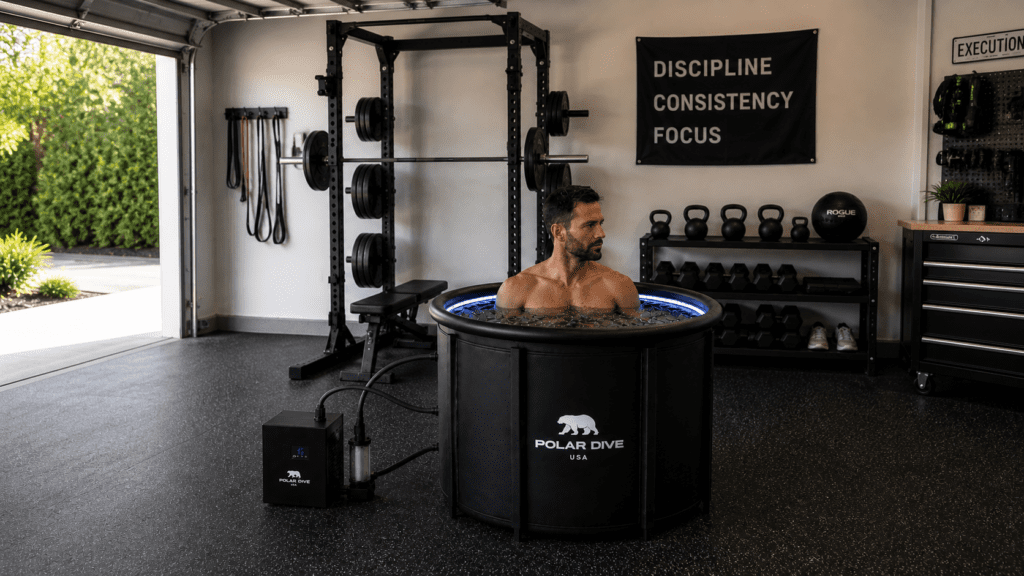
The system:
- cools water down to about 39°F
- works indoors or outdoors
- remains energy efficient
- and fits well into typical home wellness spaces
This makes cold therapy far more realistic for:
- wellness beginners
- home gym owners
- busy professionals
- and recovery-focused individuals
Many users also appreciate eliminating the constant need to buy large amounts of ice.
Wellness Is About Regulation, Not Perfection
One of the healthiest shifts in modern wellness is the move away from perfectionism.
More people are realizing that health is not about:
- extreme diets
- nonstop optimization
- or endless stacks of products
Long-term wellness often comes from supporting the body consistently through:
- recovery
- stress regulation
- natural movement
- quality sleep
- and nervous system balance
Cold therapy fits this model because it focuses on adaptation, not overstimulation.
You are not trying to hack your way out of biology.
You are working with your body’s natural ability to adapt and recover.
Who Polar Dive Is Best For
Polar Dive may be especially useful for:
- wellness enthusiasts
- recovery-focused individuals
- home gym owners
- entrepreneurs and busy professionals
- and people interested in nervous system wellness
It is particularly appealing for those who prioritize:
- stress management
- recovery
- emotional resilience
- and sustainable, realistic wellness habits
Check Polar Dive availability and current offers
Are Cold Plunges Safe?
Cold plunges are generally well tolerated by healthy individuals when practiced responsibly.
However, people with:
- cardiovascular conditions
- uncontrolled hypertension
- serious circulation disorders
- or other medical concerns
should talk with a healthcare professional before starting cold exposure.
For beginners, it is important to:
- start slowly
- avoid excessively long sessions
- be cautious with very low temperatures at first
- and prioritize slow, controlled breathing instead of “white-knuckling” through the experience
Frequently Asked Questions
Why is nervous system health important?
The nervous system helps regulate digestion, stress responses, recovery, sleep, inflammation, mood, and overall energy, which makes it central to nearly every aspect of wellness.
Can chronic stress affect digestion?
Yes. Through the gut–brain axis, chronic stress may influence digestion, appetite, gut sensitivity, and inflammatory balance, which is why many people experience digestive symptoms during stressful periods.
What is hormesis?
Hormesis refers to controlled stressors that encourage the body to adapt positively over time, such as exercise, temperature changes, and other manageable challenges followed by recovery.
Why do people feel calm after cold plunges?
Many people report improved nervous system regulation and emotional resilience because they practice calming their breathing and mindset during a brief, intense but controlled stress experience.
Is Polar Dive beginner friendly?
Yes. Polar Dive is designed to make cold therapy accessible and practical for everyday users, with compact, energy-efficient systems that can be used indoors or outdoors at home.
Final Thoughts
Modern wellness is shifting away from symptom-only thinking.
More people are recognizing that the nervous system influences nearly every part of health:
- digestion
- recovery
- stress regulation
- sleep
- inflammation
- and emotional resilience
That is why nervous system health has become such an important focus in holistic wellness.
Cold therapy is gaining attention because many people find it helps support:
- resilience
- recovery
- stress adaptation
- and nervous system balance
With affordable systems like Polar Dive, more people can explore cold therapy as a practical nervous-system tool—without luxury wellness budgets.
Ready to support your recovery and nervous system naturally?
See how an at-home cold plunge can anchor your nervous-system wellness routine:
Check out Polar Dive cold plunge systems