When most people think about gut health, they think about food.
They focus on:
- probiotics
- fiber
- fermented foods
- digestive supplements
- elimination diets
- and gut-healing protocols
Nutrition absolutely matters.
But many people overlook something equally important: the nervous system.
Modern digestive issues are often driven by far more than what someone eats.
Stress, inflammation, poor sleep, nervous system overload, and lack of recovery can all influence how the digestive system functions.
That is why more wellness professionals are exploring the relationship between:
- stress regulation
- recovery habits
- inflammation
- and gut health
Cold exposure is becoming part of that conversation.
Not because cold plunges magically “heal the gut,” but because cold therapy may help support systems that influence digestive wellness, including:
- stress adaptation
- inflammation management
- nervous system regulation
- circulation
- and recovery
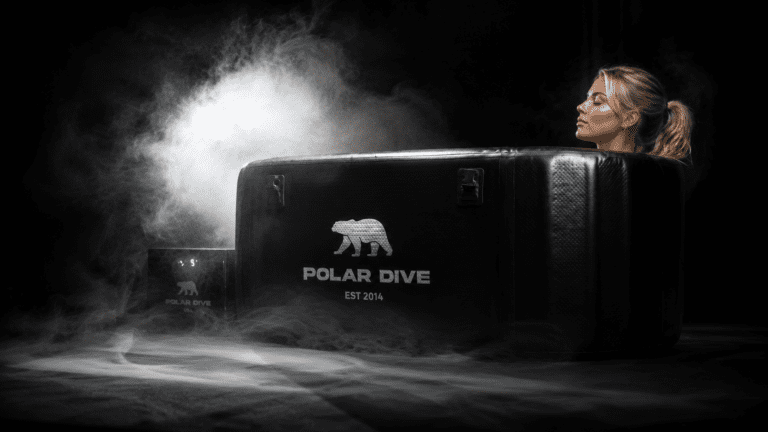
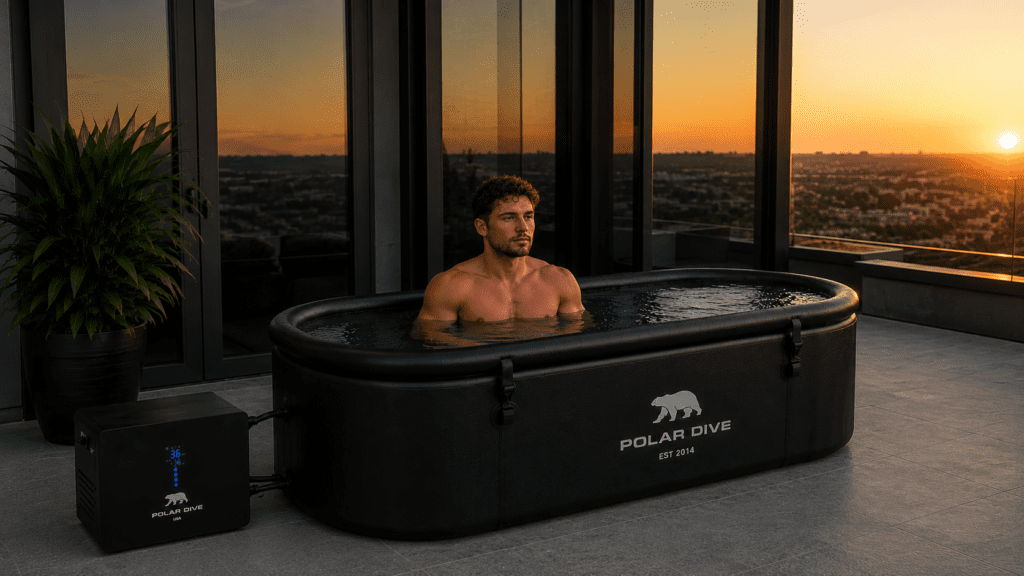
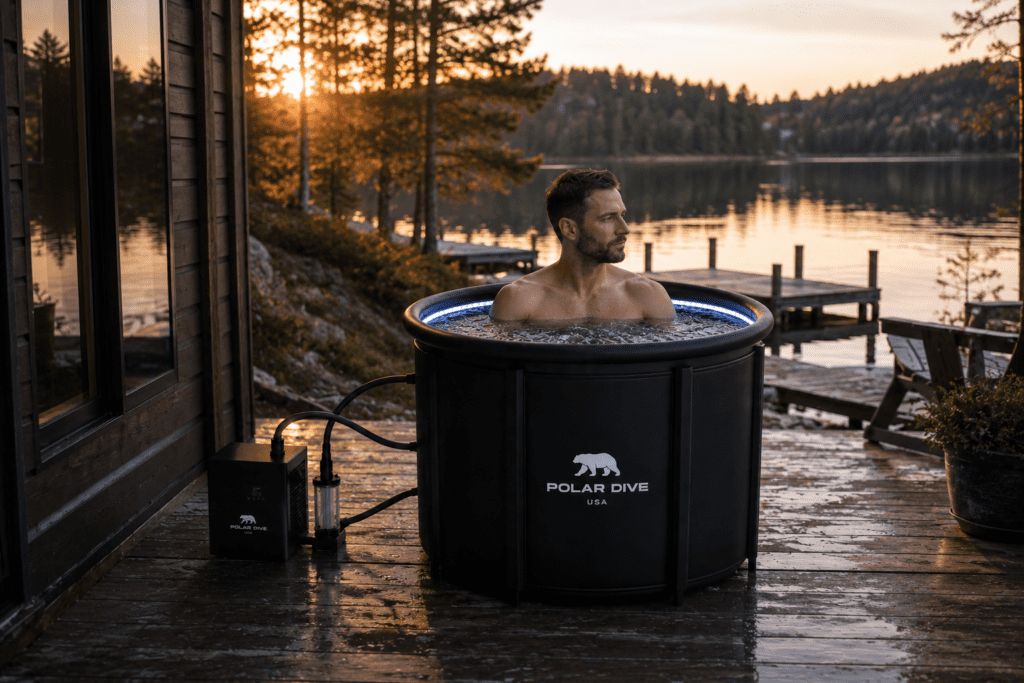
And with more affordable systems like Polar Dive, cold therapy is becoming realistic for normal households—not just elite wellness circles.
Quick View: How Stress and Recovery Touch Gut Health
| Factor | Possible Impact on Gut Health |
| Chronic stress | May alter motility, increase sensitivity, affect appetite |
| Poor sleep | Linked to inflammation, cravings, and digestion changes |
| Inflammation | May contribute to discomfort and long-term gut issues |
| Nervous system | Fight-or-flight can downshift digestive function |
| Recovery habits | Support stress balance that indirectly helps digestion |
Many people only try to change what they eat, while the body is still under constant stress, which can keep gut symptoms stuck.
The Gut and Nervous System Are Deeply Connected
A common misconception is that the gut operates independently from the rest of the body.
It does not.
The digestive system is tightly connected to the nervous system through what researchers often call the gut–brain axis.
This communication network links:
- the brain
- the autonomic nervous system
- hormones
- immune activity
- and digestive function
Chronic stress can therefore influence digestion in significant ways.
When the body stays locked in “fight-or-flight” mode, many people experience:
- bloating
- digestive discomfort
- irregular bowel habits
- nausea
- stomach tension
- appetite changes
- and increased digestive sensitivity
The body is designed to temporarily enter stress states.
The problem today is that many people never fully leave them.
Chronic Stress and Digestive Dysfunction
Modern life is a constant nervous system trigger.
People are repeatedly exposed to:
- notifications
- deadlines
- financial pressure
- overstimulation
- lack of sleep
- excessive screen time
- and mental exhaustion
Over time, chronic stress may influence:
- digestion
- inflammation
- sleep quality
- hormone balance
- and overall recovery
When stress hormones remain elevated for long periods, the body often prioritizes survival over ideal digestion.
This is one reason stress management has become such a central part of holistic gut health.
Recovery habits—how you downshift the nervous system—matter far more than most people realize.
Why Inflammation Matters for Gut Health
Inflammation is another key piece of the digestive health puzzle.
Inflammation itself is part of the body’s defense system, but low-grade chronic inflammation may contribute to long-term problems.
Modern habits can increase inflammatory stress, including:
- poor or fragmented sleep
- highly processed foods
- chronic psychological stress
- sedentary lifestyle
- overtraining without recovery
- and ongoing nervous system overload
Research on cold exposure suggests it may help reduce certain inflammatory markers and support overall recovery processes.
That does not mean cold plunges “cure” digestive conditions.
But many wellness-focused individuals are curious about cold exposure because of its potential relationship to:
- recovery
- inflammation regulation
- and stress resilience
The Recovery Problem Most People Ignore
Many people constantly stimulate themselves without truly recovering.
They rely on:
- caffeine
- sugar
- stimulants
- pre-workouts and energy drinks
- and nonstop productivity habits
Meanwhile, the nervous system gets more and more exhausted.
Recovery is not laziness.
Recovery is a core part of health.
Without it, the body struggles to regulate:
- stress hormones
- inflammation
- sleep quality
- hormone balance
- and nervous system stability
This matters for digestive wellness because the gut often “signals” when stress is too high, with symptoms like tension, discomfort, or changes in bowel habits.
Practices that help the body come out of stress mode are becoming essential in holistic health strategies.
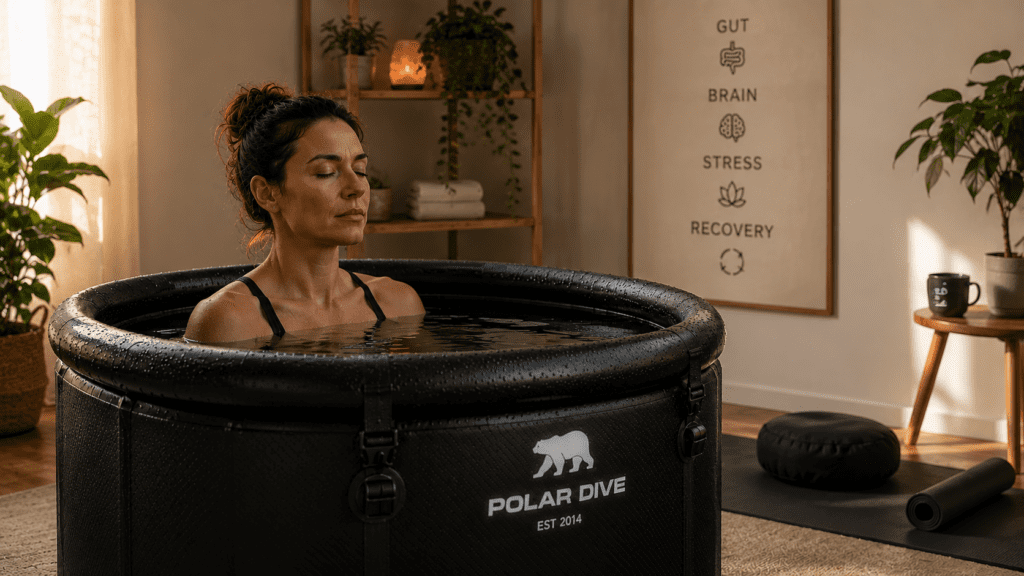
How Cold Exposure May Support Recovery
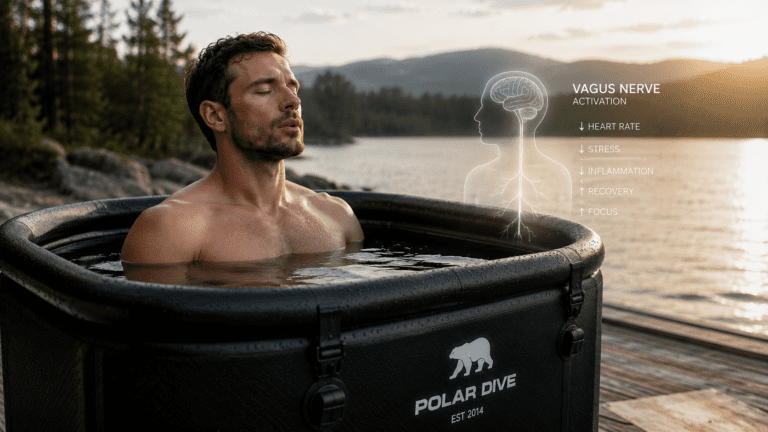
Cold plunges create a very distinct nervous system response.
At first, cold exposure activates stress pathways:
- breathing speeds up
- heart rate rises
- circulation shifts
- and stress hormones spike
Over time, many people learn how to:
- regulate their breathing
- remain mentally calmer
- and adapt more effectively to that stress
This adaptation is one reason many users report feeling:
- calmer
- mentally clearer
- emotionally grounded
- and more resilient after sessions
Some people also notice improvements in:
- sleep quality
- recovery from tough days or workouts
- and overall stress management
All of these factors may indirectly influence digestive wellness through the gut–brain axis and inflammation pathways.
See How Polar Dive Supports Recovery and Nervous System Balance
Want to Support Gut Health from a Nervous System Angle?
If you are already working on food but still feel stressed, tense, and inflamed, adding a recovery habit can help support your body from another direction.
- Cold plunges give you a simple, repeatable way to train stress adaptation
- Many people feel calmer, clearer, and more grounded afterward
- An at-home plunge makes it easier to build a true recovery routine
Explore Polar Dive cold plunge systems for stress and recovery support:
Discover Polar Dive as part of a holistic gut wellness lifestyle »
Why Gut Health Is About More Than Supplements
The wellness industry often tries to reduce gut health to a shopping list.
But true digestive wellness is much broader.
Gut health may also be influenced by:
- sleep quality
- nervous system balance
- daily movement
- hydration
- inflammation levels
- stress response
- and consistent recovery habits
That is why many people pursuing holistic wellness are focusing more on:
- foundational lifestyle habits
- nervous system support
- and realistic, repeatable routines
Cold therapy fits into this more holistic philosophy.
It is not a standalone solution.
It is one possible tool within a broader digestive wellness lifestyle.
Why Polar Dive Is Becoming Popular
In the past, many people avoided cold plunges because of cost.
Traditional systems often cost thousands of dollars, making cold therapy unrealistic for most households.
Polar Dive changes that by focusing on:
- affordability
- simplicity
- and practical functionality
The system:
- cools water down to about 39°F
- works indoors or outdoors
- remains compact
- and is designed to be energy efficient
This makes it much easier to build consistent wellness and recovery routines from home without a luxury-level budget.
Many users also appreciate avoiding the constant hassle and expense of buying bags of ice.
The Mind–Gut–Stress Connection
One of the most important ideas in digestive wellness is that the gut does not function separately from emotional and nervous system health.
Many people notice digestive symptoms flare during:
- stressful seasons
- anxiety or worry
- sleep deprivation
- burnout
- or emotional overload
That connection is real.
The body works as an integrated system.
Practices that support:
- recovery
- nervous system regulation
- and stress adaptation
may help support overall wellness more broadly than most people expect.
That is why cold therapy continues gaining attention inside holistic and integrative health communities.
Who Polar Dive Is Best For
Polar Dive may be especially useful for:
- wellness enthusiasts
- recovery-focused individuals
- biohackers
- home gym owners
- and people interested in holistic wellness habits
It is particularly appealing if you are focused on:
- stress management
- nervous system support
- recovery
- and sustainable, long-term wellness routines
Check Polar Dive availability and current offers
Are Cold Plunges Safe?
Cold plunges are generally well tolerated by healthy individuals when practiced responsibly.
However, anyone with:
- cardiovascular conditions
- uncontrolled hypertension
- serious circulation disorders
- or other medical concerns
should consult a healthcare professional before beginning cold exposure.
For beginners, it is important to:
- start gradually
- avoid very long sessions at first
- choose moderate temperatures and progress slowly
- and prioritize slow, controlled breathing over “pushing through”
Frequently Asked Questions
Can stress affect gut health?
Yes. Chronic stress may influence digestion, inflammation, appetite, and gut–brain communication, which can make digestive symptoms more likely or more intense.
What is the gut–brain axis?
The gut–brain axis refers to the communication network connecting the digestive system and nervous system through nerves, hormones, and immune signals.
Can cold plunges reduce stress?
Many people report feeling calmer, clearer, and more resilient after consistent cold exposure, likely because they practice regulating their nervous system in a controlled stress environment.
Does inflammation affect digestive wellness?
Chronic inflammation can contribute to broader wellness challenges, including digestive discomfort and changes in how the gut feels and functions.
Is Polar Dive beginner friendly?
Yes. Polar Dive is designed to make cold therapy practical and affordable for everyday users, with compact systems that work in normal home spaces.
Final Thoughts
Gut health is about far more than food alone.
The body works as a connected system where:
- stress
- recovery
- sleep
- inflammation
- nervous system balance
- and emotional health
all influence digestive wellness.
That is why more people are taking a holistic approach to digestion instead of focusing only on supplements and diets.
Cold therapy is becoming part of that conversation because it may help support:
- recovery
- resilience
- stress adaptation
- and nervous system regulation
With affordable systems like Polar Dive, more people can explore cold therapy as one piece of a broader digestive wellness lifestyle—without elite wellness budgets.
Ready to add recovery and stress resilience to your gut health routine?
See how an at-home cold plunge can support your holistic digestive wellness plan:
Check out Polar Dive cold plunge systems