More and more people talking about gut health and wanting to learn more about it.
And so that is what today’s video is all about. I’m gonna share with you seven ways to improve your gut health, and I do have a few other videos here on my channel on the topic of digestion. So I will leave those other videos linked below, but in today’s.
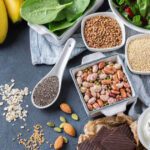
Video I just want to share some more kind of like simple. You know, basic things that you can do on an everyday basis. So let’s, get started number one is to swap out the refined foods so refined foods, especially when it comes to things like refined, carbohydrates or refined grains are not only stripped of nutrients, but also that really important and vital fiber.
So I want to talk about the two different kinds of fiber here insoluble and soluble fiber, so you can get a better understanding of why they’re so important and what they do in the body so insoluble fiber.
You can kind of think of it as like. The roughage of different foods, like you know, stocks and skins and seeds, and it acts as kind of like a scrub brush where helps to move things along really helps to promote GI motility.
So the movement of things through our GI tract, helps to keep us regular, which is very important for gut health, making sure that we are having bowel movements every single day, but also good for adding bulk to the stool as well.
Soluble fiber, on the other hand, is water soluble and it doesn’t pass through us in the same way that insoluble fiber does like the skins or or husks would of a food. It actually turns to more of like a gel-like substance in our body, helps to soothe digestion, can even slow down digestion in some cases, which can be helpful for some people, but it’s.
Also, really good for helping to nourish our microbiome so helps to feed our micro flora. I’m gonna talk more about that in a moment. So, all in all, what we want to do here is to swap out the refined foods as much as we can so, for example, instead of having white rice, you can opt for a brown rice or like a wild rice or instead of having white bread.
You could do a whole grain or a sprouted. Loaf is really quite nice, where the grains are the seeds that it’s made with have been soaked and sprouted, which actually aids, the digestibility of the grains or when it comes to your fruits and vegetables, leave the skins on most whole foods have Both insoluble and soluble fiber, so really just focusing on getting as many Whole Foods as you can right in their whole form is the best you can do to make sure that you’re, getting both of those different kinds of fibers.
A little note here, though, on on eating fibrous foods. If you’re not used to eating a whole lot of high-fiber foods, you do want to do it slowly, increase your consumption of it slowly and always make sure that you’re drinking lots and lots of water, and that is because It can be a lot on the gut if you’re, just not used to it, it can cause.
You know gas bloating. So we hear a lot about probiotics and the importance of them, which they are indeed very good for our gut health right fermented foods eating those live bacterial cultures – probiotics are really really great.
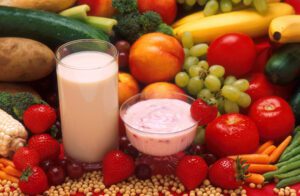
But what I want to emphasize in this video here and in this point is the importance of prebiotics, so prebiotics are actually what helped to feed the bacteria that live in our colon, the microbes that live in our colon it’s.
Actually, the the fuel source for them, and so prebiotics are basically certain kinds of fibers and carbohydrates found in certain kinds of foods, which I will talk about in a moment that basically pass through our GI tract undigested until they reach our colon, where the bacteria there Feed off of them and ferment them so there’s, a whole fermentation process that occurs in our gut and they produce gases and they produce a number of things.
But one thing that the bacteria in our gut produce as a result of consuming these probiotics are short chain fatty acids, and one of them is called butyrate, which is unbelievably good for gut health and butyrate is actually the primary fuel source for your colon cells.
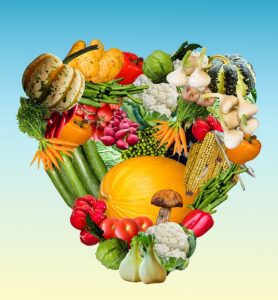
So the cells that line your colon love you to rate they they need it. They thrive off of it really good for gut integrity for the mucosal lining all kinds of things. So you will be pleased to know that prebiotic rich foods are very simple, everyday foods that you should be able to get your hands on things like garlic and onion and leeks and legumes, especially our great source of probiotics asparagus oats dandelion.
The list goes on, and I want to point out here just like I did about increasing the fiber in your diet when it comes to prebiotics. You also want to do it slowly, increasing them in your diet, especially if you’re, not used to eating a lot of probiotic rich foods, maybe like beans, things like that, because prebiotics contain what are known as FODMAPs, which is basically just an acronym For those specific types of carbohydrates that they contain that ferment easily in the gut, which is we we want that we want them to ferment.
That is part of what they do, that’s very beneficial for us, but for some people we can be a little bit sensitive to it and especially if you have like IBS, it can cause a lot of like gas and bloating and upset the Stomach, I know that for myself, for example, a few years ago when my gut health was at its worst, there was no way that I could eat.
You know these kinds of foods. I just could not digest them well at all. They really upset my stomach, but over time I was able to start to reintroduce those foods again and tolerate them much better.
So that is great. So if you have any issues with these kinds of foods or digesting certain foods, definitely a good idea to speak to your doctor. Number three is to get some polyphenols in your diet. So polyphenols are certain compounds found in different kinds of foods that actually do have prebiotic properties to them, but they are very, very antioxidant, rich and anti-inflammatory as well.
Areas like blueberries are great source. Um green tea is a fantastic source of these polyphenols matcha green tea, especially cacao, is another great source of polyphenols as well. So I love green tea.
I drink green tea, probably probably pretty much every single morning. I just love green teas, so much, but you know eating half a cup one cup of fresh berries every day is a great way to get more of these polyphenols in your diet.
Number four is to take a few deep breaths before you eat. So the reason why this can be helpful is because it helps to activate our parasympathetic nervous system which governs that rest and digest state.
So it helps us to better and more efficiently digest our food when we are calm and when we are relaxed. When we are stressed out, our bodies simply cannot digest as efficiently our internal resources go away from the gut away from the digestive system, so that’s, not what it’s focused on I’m doing, but when we’re calm, our body’s like let’s.
Do it let’s digest also when we are relaxed around mealtime were better able to eat slower and chew our food more thoroughly, which is another point here. Another tip for improving our gut health is chewing our food thoroughly and not rushing and inhaling large chunks of food when we chew our food very thoroughly.
Enzymes are much better able to access the various components of the food like fats and carbohydrates and proteins and better break them down eat until you are 80 % full. So this tip here actually has roots in Japanese teachings and really the way that you can think about.
It is to eat until you are no longer hungry, as opposed to eating until you are like stuffed, if you can kind of visualize your stomach being like 100 % full. You know those times where you’re. Just you’re soaked.
All your stuff, you’ve, just completely over eaten and how that feels versus kind of visualize, your stomach being 80 % full. Where there’s. Still a little bit of space left you’re comfortable. You’re, not super like stuffed, but you’re seated, like they’re no longer hungry, you’re satiated.
You’re feeling good. That’s kind of what we want to aim for, and the reason for that is because it helps our digestive system better process, our food, it’s, much easier for our gut to kind of break things down and move things along.
So this is as simple as just tuning into how you feel when you’re eating, putting into practice some of the principles of intuitive eating can be really helpful here so tuning in to your hunger and satiety signals it’s.
A great thing that you can do, I have a whole video up on intuitive eating. If you want to learn more about that, I will leave that linked below. So there are many reasons why exercise is so beneficial for our gut health, one being that research actually shows that was I gonna say.
Research shows something. Oh research shows that exercise actually benefits our microbiome, so the microbes that reside in our gut actually thrive off of exercise when we exercise it benefits them, believe it or not, pretty cool, pretty fascinating stuff, but also, if you are ever feeling like bloated or gassy, or Maybe constipated getting up and moving in some way.
Doesn’t have to be crazy, but just getting your body moving can help to stimulate the bowels [ Music. ] number seven is to avoid eating too close to bedtime. So having an earlier dinner and giving yourself some space between like dinner and bedtime and then having that proper overnight, fast is really good for supporting the health of your gut, because it allows your gut to properly regenerate through the night instead of digesting food through the Night, but also what you’re doing when you aren’t eating so close to bedtime is that you’re, helping to create a meal sort of pattern.
That is in alignment with your circadian rhythm, the microbes in your gut actually have their own kind of clock, like they have their own rhythm and that rhythm. That clock is set by the times of day in which we eat, and one of the best things that we can do is to align that with day and night so eating during the day and not eating at night, and also when you’re Eating really close to bedtime a lot of people.
I know myself included a lot of people find that they don’t sleep as well. It can disrupt your appetite the next day and our bodies. We are actually more insulin, sensitive earlier on. In the day, which means we’re, better able to process and digest foods and sugars earlier on in the day, and we’re, more insulin resistant later on in the day when it comes to like, on a regular basis, try to Keep your dinnertime earlier and not eating right before bed, so that is it for today’s, video I covered all of the things that I wanted to talk about.
I hope you enjoyed this video in this topic and you learned a thing or two. If you do want to learn some more strategies on improving and supporting your gut health, I do have a four week program called the digestive reset program.
I will leave that link below if you want to learn more. I will also link some of my other videos on the topic of digestion that I have here on my channel and if you have any questions, feel free to leave them in the description, not the description box, no leave them in the comment section.