Normal cellular processes and external stressors like UV rays, cigarette smoke and pollution can trigger the production of free radicals, unstable molecules that damage membranes, DNA and enzymes. This is referred to as oxidative stress.
Antioxidants – vitamins, minerals and trace nutrients – neutralise these free radicals. They can do this by stealing their unpaired electrons.
Immune system
Both normal cellular functions and external stressors like radiation, cigarette smoke and environmental pollution generate nefarious free radicals that damage membranes, DNA and enzymes in the body – a condition known as oxidative stress. This damage can be minimised by the action of antioxidants. Antioxidants are found in foods and supplements, but getting the most from a well-rounded diet is the best option.
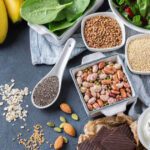
Vitamin C, vitamin E and carotenoids are some of the most well-researched antioxidants. They’re abundant in coloured fruits and vegetables (think purple, red, orange and yellow) as well as nuts, whole grains and spices.
The superhero nutrient zinc is another immune booster, helping the body respond quickly to infectious microbes and ward off viral infections. A deficiency of this mineral is associated with reduced immunity and a higher risk of infection. It’s also essential for the production of cytokines, which help regulate immune responses. Zinc is found in meat, fish, poultry, dairy products and whole grains.
Antioxidant minerals
Many vitamins and minerals act as antioxidants, scavenging for unstable molecules called free radicals. They neutralize them by giving up their own electrons, which stops a chain reaction that damages DNA and other parts of cells. Free radicals are linked to aging, heart disease, vision loss and cancer.
Vitamin C, E and beta-carotene are the most familiar antioxidants. They’re joined by glutathione, lipoic acid, selenium and manganese. All are found in foods and some are available as dietary supplements.
Antioxidants are promoted by some news media, physicians and dietitians as a way to slow the aging process and prevent chronic diseases such as vision loss, heart disease and cancer. But results from large-scale observational studies and randomized controlled trials of antioxidant supplements have been mixed. More research is needed to understand how and why they benefit health, and how they interact with other nutrients and substances in the body. In the meantime, it’s best to get antioxidants from a healthy diet of whole fruits and vegetables rather than from a supplement.
Best vitamins for antioxidant
The best source of antioxidants is a healthful diet of whole foods. Aim for a variety of fruits and vegetables in different colors to get your recommended amounts of beta-carotene, vitamin C, and vitamin E.
Carotenoids such as lutein and zeaxanthin are deposited in the eye to protect against age-related macular degeneration, and are important for skin and immune system health. Selenium is a well-known antioxidant that supports thyroid and hormonal function, especially in women.
Registered dietitians agree that the best way to get antioxidants is to eat a healthy diet that includes a mix of colorful fruits and vegetables. For example, berries, oranges, cantaloupes, kiwis, and dark-green vegetables are high in antioxidants. You should also include vegetable oils (such as sunflower and safflower), nuts, and seeds to get vitamin E. Most importantly, avoid oxidative stress from cigarette smoke, alcohol consumption, and pollution. This will help your body’s natural antioxidant defenses work better. If you do decide to take dietary supplements, talk to your doctor before starting a new regimen.
List of antioxidants vitamins
The list of antioxidants vitamins includes Vitamins C, E and A, as well as carotenoids like beta-carotene, lycopene and lutein. You can get them in whole foods or supplements. The best way to get them is to eat a healthy diet with fruits and vegetables of all colors. Some studies show that people who eat more antioxidant-rich foods have lower rates of heart disease and certain cancers, but it’s not clear whether this is because of the antioxidants or something else in the food they eat.
Antioxidants neutralize free radicals and can help prevent damage to DNA. They also signal genes to activate white blood cells that can kill viruses and other invading organisms. They include flavonoids like quercetin and rutin, resveratrol (found in red wine and dark chocolate), anthocyanins (found in blueberries, purple corn, bilberries and dark grapes) and flavanones (found in citrus fruits, onions, green tea, apples and olive oil). Some dietary supplements contain antioxidants, but they are more effective when they’re taken from natural sources.
Did you miss our previous article…
https://www.buildabettergut.com/the-health-benefits-of-fermented-foods/